The first person who needed Pawshake was not planning a glamorous holiday. According to the company’s origin story, Dries Coucke needed someone to look after his father’s dog when his father became ill. Friends and family could not help. Somewhere nearby, he suspected, was a person who could. The trouble was finding that person.
- Pawshake matches owners with local people for walks, visits and overnight care.
- Owners can meet a sitter free before committing to a booking.
- Sitters set prices; the platform takes a contribution and may charge owners a separate fee.
Coucke already had something useful: Pets.be, a Belgian community for rehoming animals. His eventual co-founder, Tanguy Peers, had worked with him at eBay. In a 2016 interview, Peers recalled an early Facebook question about pet sitting attracting roughly 200 responses within fifteen minutes. It was a founder’s recollection, but the signal was clear enough to act on.
The familiar support network had run out of available people. An existing animal community supplied a wider circle. Pawshake, founded in 2013, turned that discovery into a marketplace. The lesson is refreshingly cheap to copy: ask an audience with the relevant problem before spending months building its solution.
01 The booking starts away from the screen
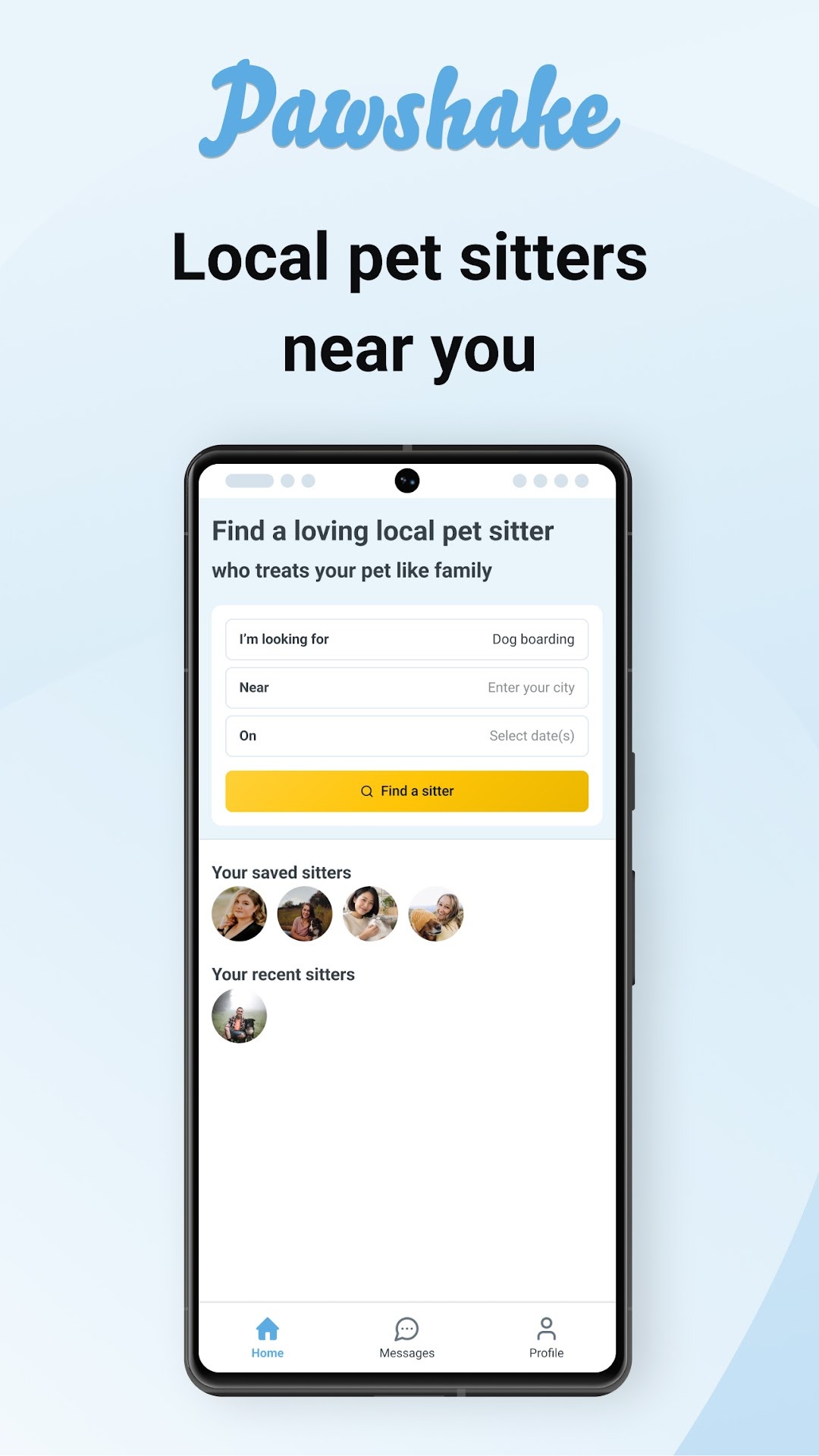
Consider the ordinary search. You select a service, enter your location and dates, and inspect profiles, prices and reviews. Pawshake recommends contacting two or three sitters. Then comes the step that makes this business interesting: meet the person. Bring the animal into the decision before bringing out the payment card.
The free meet-and-greet lets both sides test the arrangement. Does the sitter understand the routine? Can they handle the dog? What happens if the owner is delayed? A profile can describe experience. An introduction can expose a mismatch while changing plans is still easy.
of sitter applications accepted, according to Pawshake.
Screening is only one checkpoint. Owners still choose a sitter for a particular pet. After booking, messages and daily updates make the arrangement visible. Verified reviews give the next owner something to examine. The product’s work continues after it has introduced two people.
The useful distinction from an ordinary directory is the sequence: discovery, introduction, agreement, payment, updates and review. Rival marketplaces offer overlapping services, so these features do not establish an exclusive advantage. They do explain where Pawshake earns its place between a handwritten recommendation and a fully managed boarding facility.
02 Some customers prefer their own sofa
Pawshake sells several arrangements rather than one standard stay. Dog boarding means sleeping in a sitter’s home. Day care covers daytime supervision there. House sitting brings someone into the owner’s home overnight. Home visits can keep a cat fed without relocating it; dog walking fills a different gap in a working day.
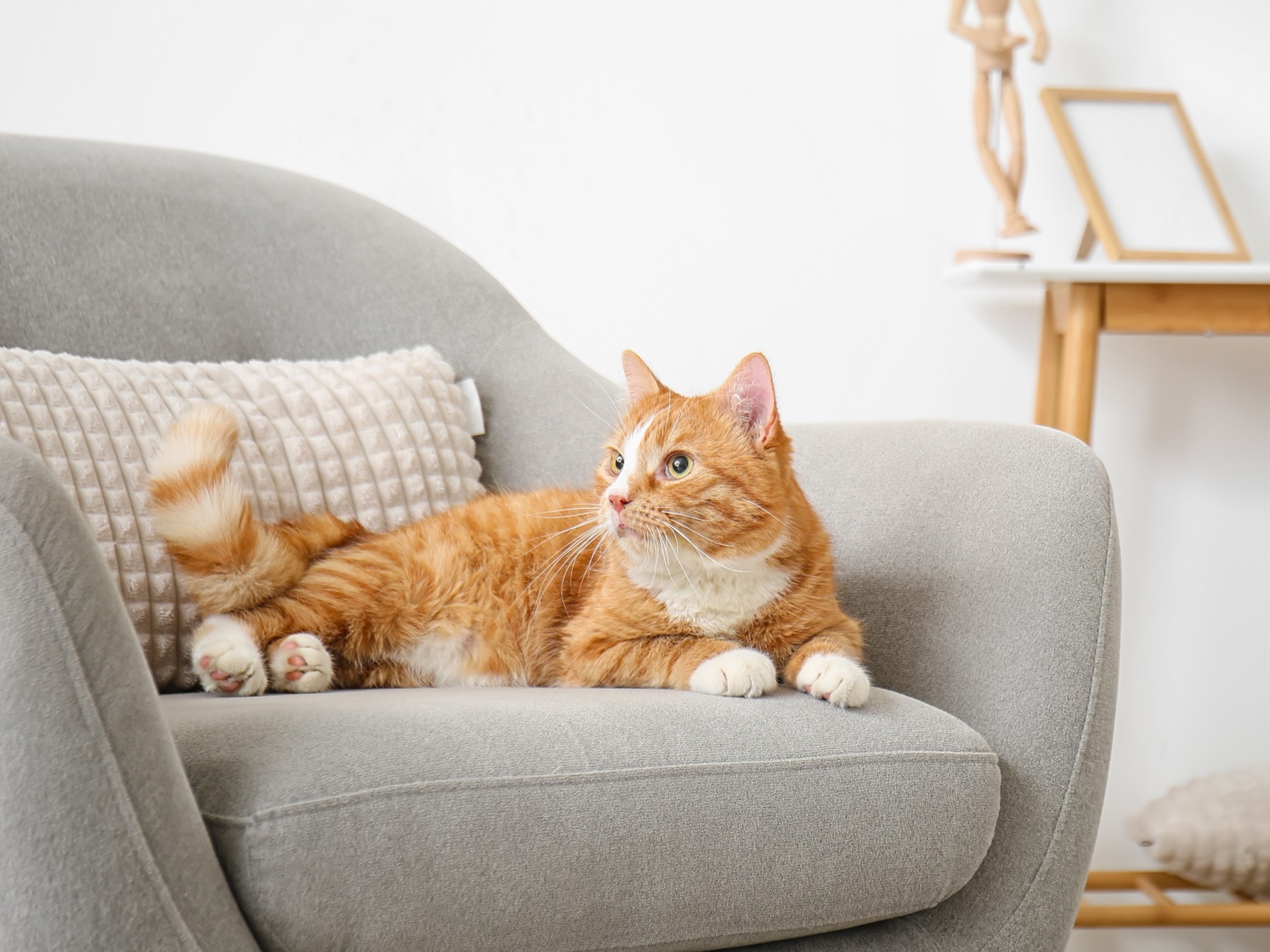
That range matters to holidaymakers, commuters and people whose usual helper is unavailable. It also puts Pawshake in several competitive conversations: Rover and other booking platforms, local independent sitters, kennels, catteries and the friend who already knows the animal. For owners, its appeal is choosing an individual and an environment that suit the pet.
03 The arithmetic behind the cuddles
Sitters choose their rates. Pawshake’s checked UK terms deduct a 19% host contribution. On a hypothetical £100 sitter price, that leaves £81 before the sitter’s expenses and taxes. Registration carries no subscription fee. The company says its contribution supports payments, marketing, customer support, technology and booking protection.
£81.00Sitter receives
£19.00Pawshake contribution
There can also be an owner service fee. Pawshake’s guidance says the amount varies and appears during booking. So the listed sitter price and the final checkout total need separate attention. Anyone offering care should calculate travel, cleaning and administration time before deciding what remains a worthwhile job.
The payment sequence provides another reason to stay on the platform. The owner pays through Pawshake; the sitter receives payment after the booking ends. Pawshake’s UK payment policy says this transfer can take up to seven days. A transaction that began with affection still needs an orderly settlement.
Pawshake’s own May 2025 advice makes that calculation more specific. Longer visits, extra walks and medication can require agreed add-ons. Sitters are told to describe what the base service includes. For customers, that is a useful question to ask at the meeting: what exactly have we bought, and what would change the price?
04 A global business, measured in walking distance
In December 2014, contemporary reporting described a $1.5 million funding round led by AirTree Ventures. The intended spending was concrete: marketing, community managers and engineering. In 2017, Qantas selected Pawshake for its inaugural AVRO Accelerator’s scaleup cohort, putting care at home into the same conversation as travel away.
Today its international selector lists twenty country or territory markets. Yet a booking still depends on a suitable person nearby with an open calendar. That is the stubborn geography of pet care. An excellent sitter across an ocean is less useful than a dependable one who can reach your front door.
“Creating Tails of Happiness”
Pawshake’s own name for its purpose. The less photogenic work is arranging the handover.
05 Read this before handing over the keys
Pawshake includes a guarantee, but its UK veterinary protection has conditions: a £2,500 cap, a £50 excess and exclusions including pre-existing conditions. A first booking requires a prior meet-and-greet. Off-platform arrangements are excluded. Owners should check the terms for their market and put particular care instructions in writing.
The company’s recent practical advice addresses the same human details. Its July 2025 guide warns against rushing last-minute bookings without an introduction. A May guide tells sitters to decline work beyond their abilities. In June 2026, it updated guidance on extreme heat. Availability alone cannot establish suitability.
This arrangement needs time for an introduction, enough local choice and a sitter whose skills match the animal. A hurried departure, an empty local search or needs beyond the sitter’s experience can make another care arrangement more suitable. The app helps narrow the choice; the people must still assess it.
For an owner, the useful next step is modest: shortlist local sitters, explain the animal’s needs and arrange an introduction. For another marketplace builder, the copyable idea is equally practical. Give people a chance to discover a bad fit before they commit. The spare key can wait until the meeting is over.