The surgery had gone well. David Gelbard’s father was going home. What he needed next was a walker: an ordinary object, with an ordinary purpose, at a moment when ordinary things mattered enormously. The hospital sent the order by fax. The walker did not arrive. In Gelbard’s account, his father hurt himself again while waiting. An expensive, complicated medical intervention had been followed by a failure to deliver a simple piece of equipment.
That is the useful place to begin with Parachute Health. Before the software, before the network, there was a handoff that nobody could reliably see. A clinician had ordered something. A patient needed it. Between those two facts lay paperwork.
- The job: connect a medical equipment prescription to supplier fulfillment.
- The method: check documentation early, collect signatures, and make progress visible.
- The twist: a business built to replace fax now uses AI to process it.
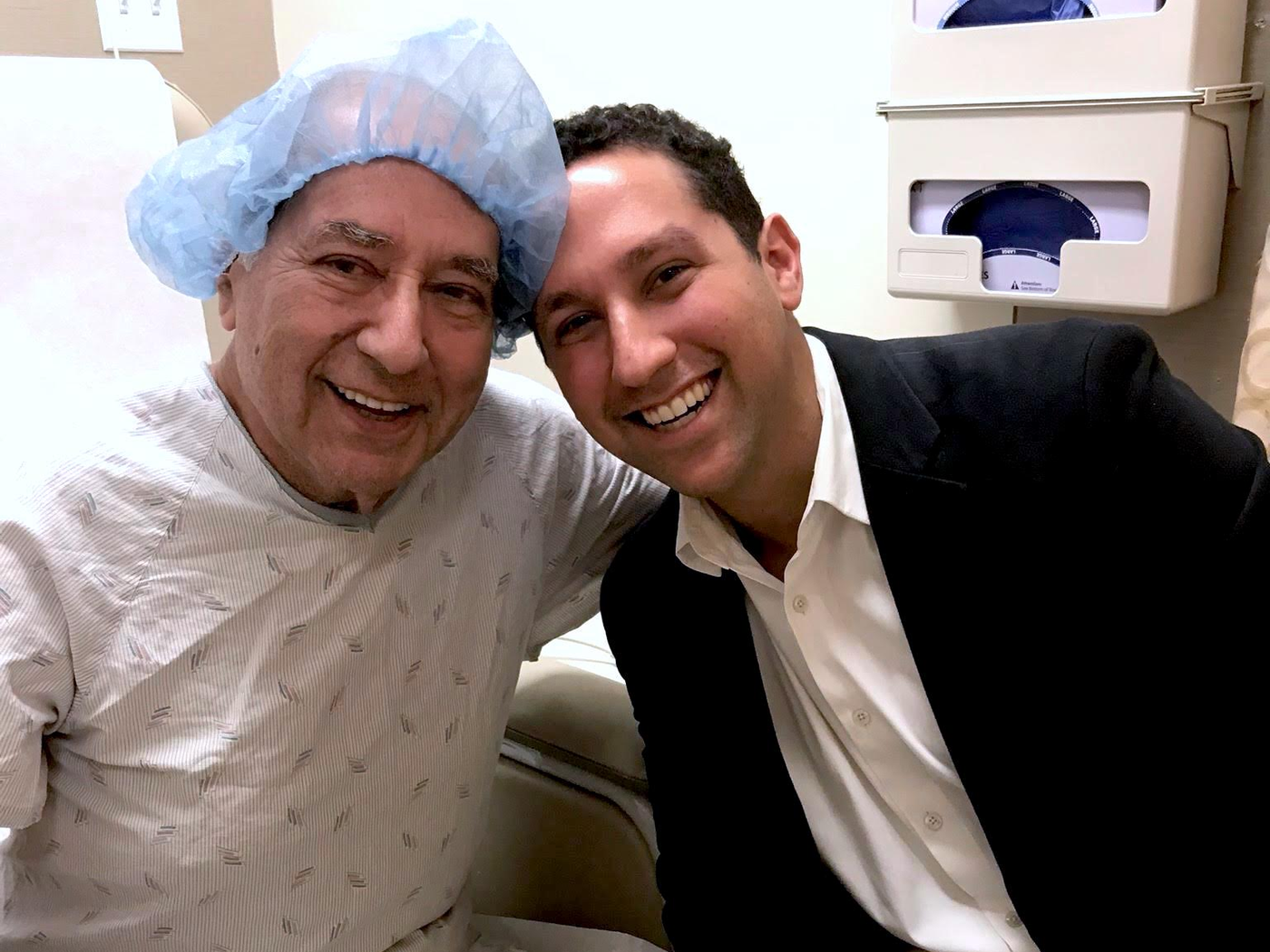
The surgery worked. The handoff didn’t.
Founded in 2015, Parachute works in durable medical equipment, usually shortened to DME. Think walkers, wheelchairs, oxygen equipment, and diabetes supplies. Its customers and users include clinicians, discharge teams, equipment suppliers, and health plans. Patients benefit from the coordination, but this is professional ordering software. It is not a shopping site where patients prescribe equipment to themselves.
The distinction matters. A medical equipment order carries obligations that an ordinary purchase does not. A supplier may need a signed prescription, supporting clinical notes, and insurance information before it can fulfill and bill. Sending a page quickly does little good if the page lacks what the recipient needs.
Parachute’s expertise lies in translating those requirements into a workflow. The software guides the clinician through the order, gathers documentation, supports electronic signatures, and keeps questions attached to the transaction. Suppliers can request missing information without starting another disconnected conversation. Care teams can follow status through delivery confirmation.
Ask the awkward questions first
Consider the timing. Under a fax workflow, the supplier discovers an omission after the clinician thinks the task is finished. The correction becomes a new task: find the right person, explain the gap, obtain the document, reconnect it to the order. Parachute tries to move that discovery earlier, while the order is being assembled.
The interface also reaches into systems clinicians already use. An athenahealth Marketplace integration announced in October 2024 lets athenaOne users start DME orders with patient information already filled in. Avoiding duplicate typing sounds modest. Multiply it across busy practices and the attraction becomes clearer: fewer opportunities to mistype the same fact.
- 01Capture
requirements - 02Sign
and send - 03Resolve
gaps - 04Confirm
delivery
A simplified view of Parachute’s ordering workflow.
Edgepark offers a concrete example. Its June 2024 ostomy ordering announcement described clinicians browsing products, creating prescriptions, signing, and attaching documentation in one place. Edgepark then verifies coverage and eligibility and ships the order. Software organizes the exchange; the supplier still does the supplying.
Who picks up the bill?
Basic clinician ordering is free. Suppliers pay for digital prescription and workflow services, while enterprise ordering carries a fee. That arrangement puts a low barrier in front of the person creating the order and a commercial proposition in front of organizations processing it. Public materials describe those charging relationships without a universal dollar price.
There is a sensible economic argument underneath: a cleaner order should require less administrative effort. Whether a particular customer saves money depends on its volumes, existing processes, contract, and implementation. The invoice for equipment remains a separate matter, governed by the supplier and the patient’s benefits.
Investors funded the expansion early. Parachute announced $5.5 million and then another $9.5 million in 2018, with Insight Venture Partners leading the latter raise. Transformation Capital lists 2023 as its partnership year. Those milestones establish backing; they do not establish today’s revenue or valuation.
The fax gets a second entrance
In 2018, Gelbard told Business Insider: “The only loser here is the fax machine.” It was an enjoyable line. The subsequent product story is more interesting than a victory lap.
“The only loser here is the fax machine.”
David Gelbard / Business Insider, 2018
Parachute announced AI Intake in October 2024 because suppliers were still receiving paper and fax orders. It extracts and structures information from those referrals, brings them into the ordering workflow, and helps staff identify and request missing documentation. The stubborn old channel gets an entrance into the newer system.
That expansion offers a useful lesson for anyone selling workflow software. Customers may agree with your destination and still receive work through channels they cannot control. Giving them a way to handle that work can make adoption more practical. Reading a fax, however, cannot conjure a clinical note that was never written.

A network still has edges
Parachute competes with DMEscripts and Tomorrow Health, alongside adjacent supplier software such as Brightree. Its position rests on connecting the participants around an order. Integration partners can also occupy neighboring competitive territory. In healthcare software, the map rarely divides into tidy teams.
In March 2026, Parachute extended connected authorization workflows, bringing submission and status closer to the original order. Its DME Navigator explanation draws a consequential boundary: health plans and benefit managers determine network terms and reimbursement. Parachute supplies technology. A more legible process cannot turn an unfavorable coverage decision into an approval.
Other limits are equally physical. A supplier still needs stock, staff, and delivery capacity. Clinicians still need usable records. Organizations still need training and compatible workflows. Faster communication helps expose these constraints; it does not remove them.
The part another company can copy is specific: ask for required information before submission, keep corrections attached to the transaction, and measure completion beyond dispatch. Gelbard’s father needed a walker at home. Every feature earns its place by getting closer to that finish.
Follow the order
Explore Parachute Health, its AI Intake product, and the Learning Hub. Follow on LinkedIn, X, Instagram, or Facebook.
Watch the Nymbl + Parachute integration demo. Read Gelbard’s founder interview and the 2026 authorization announcement.