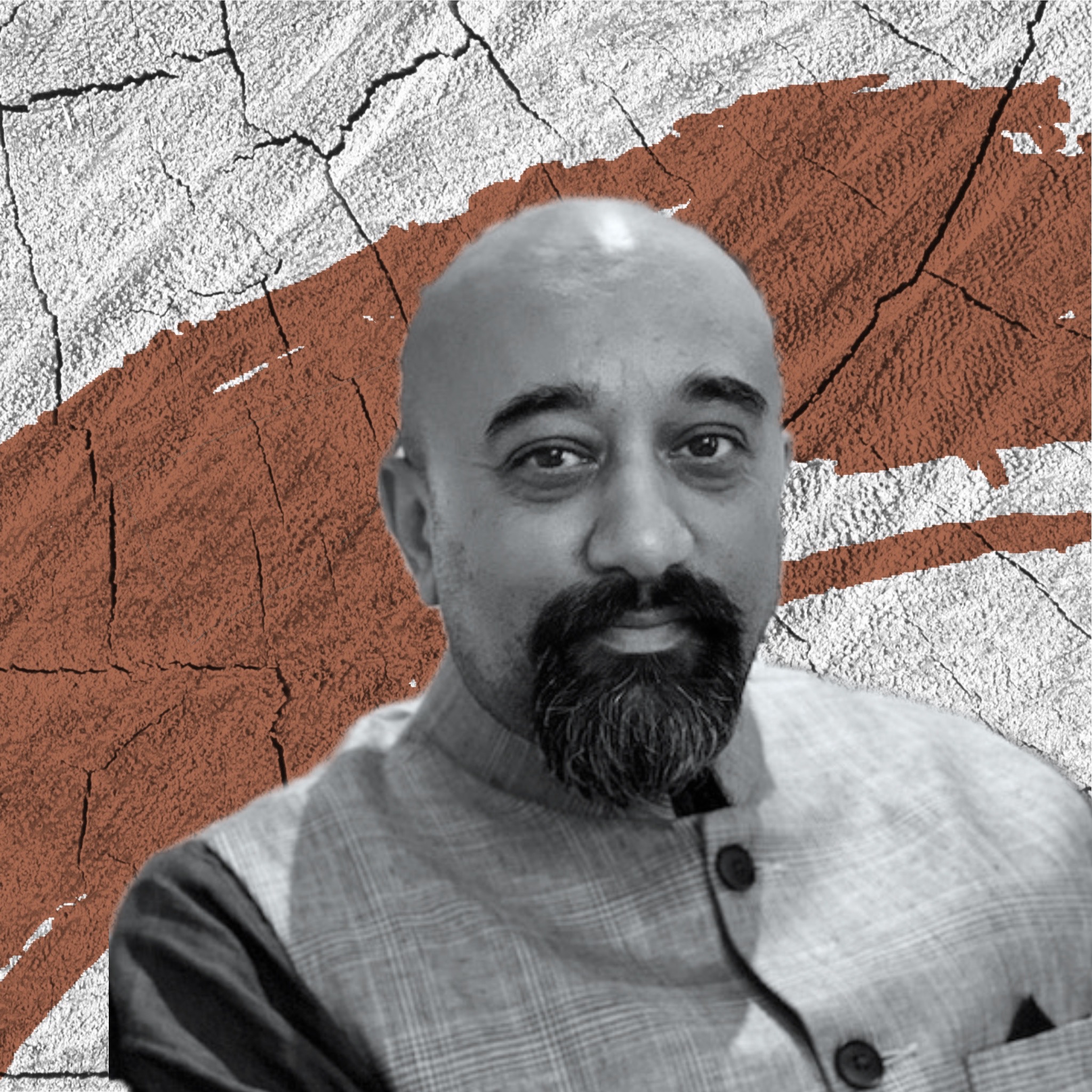
The Man Who Read the Map Before the Map Existed
There's a specific kind of investor who gets it right not because they're smarter, but because they showed up years before everyone else. Pankaj Jain is that investor. While Sand Hill Road was still debating whether emerging markets were too "risky," he was already in Delhi, writing checks, running hackathons, and building the community infrastructure that India's startup ecosystem would eventually scale on.
The story doesn't start in a garage. It starts at Long-Term Capital Management - the hedge fund whose 1998 near-collapse required a $3.6 billion Federal Reserve-organized bailout and rewrote how Wall Street thinks about systemic risk. Pankaj was there, working on mortgage risk and market data infrastructure, watching a Nobel Prize-laden fund discover that elegance and reality don't always agree. Then he left, co-founded GlobeOp Financial Services in 1999 - right as the dot-com world was peaking - and built something that would eventually become SS&C GlobeOp, a household name in global financial services. Two massive market events, two different outcomes, one common thread: Pankaj understanding systems better than the room.
By 2007, he'd turned his attention to India. Not as a tourist, and not as a visitor who'd file a trip report. He founded Teknatus Solutions, building an on-demand employment marketplace for under-served workers in the country. The startup didn't become a unicorn. That wasn't really the point. The point was he was trying to solve real structural problems with a market that most American investors hadn't yet noticed was a market at all.
Then came HeadStart Network Foundation in 2008 - one of India's earliest startup community organizations, where Pankaj led the Delhi operations. Then Startup Weekend India. He coordinated 10 events across 5 cities and reached over 1,000 entrepreneurs before most of Silicon Valley had even booked a flight to Mumbai. Internally, at Up Global (the organization behind Startup Weekend), he was described as "one of the most catalytic forces" for international growth. Not just India - he changed what the global program thought was possible outside the United States.
The pivot to pure investing came in 2012, when he joined 500 Startups as a Partner leading India operations. For four years, he wrote 65+ checks across India, New York, South Asia, and the US - at a pace and geography that the fund had rarely operated at before. He collaborated with government and policy bodies to help reshape the regulatory environment for startups. He wasn't just picking winners; he was building the table they'd sit at.
Among those investments: Innovaccer, backed at a $6 million valuation. Today valued at $3.2 billion. ShipRocket, in at $5 million - now a $1.2 billion company. Knotel, at $10 million seed. Three unicorns, written before the word "unicorn" had become overused to the point of meaninglessness. The returns - 533x, 240x, 100x - aren't just good numbers. They're evidence of a thesis held early, when holding it required conviction nobody around you could validate.
The next chapter is Saka Ventures, launched in May 2022 from New York City. The name comes from Sanskrit: "saka" means friend and helper. It also references teak wood - one of the hardest and most durable natural materials on earth. The dual meaning is deliberate. Pankaj builds funds the way you build furniture that will still be standing in forty years. The fund targets Indian fintech, SaaS, and data analytics startups aiming at global markets rather than domestic ones - the companies that want to serve the world from India, not just India from India. Checks run $50,000 to $500,000, with a sweet spot around $125,000.
What makes Pankaj unusual as a VC is the depth of community infrastructure he's built around investing. He co-founded BlockHack in 2017 during the first crypto wave, was an Investment Committee member at AngelList India, served on the TiE New York board, and built one of the largest Indian startup communities on Clubhouse during that platform's brief, intense moment in 2021. He writes on Medium about Bitcoin, yield farming, DeFi, and angel investing strategy. On GitHub, under the handle @pjain, he's building multi-agent AI orchestration infrastructure called OpenClaw - the kind of technical curiosity you don't often find in investors who have been in the game for 25 years.
The Stuyvesant High School alumni club he founded on Clubhouse is either a charming detail or a window into character, depending on how you look at it. Stuyvesant is the public school that graduates future Nobel laureates and tech founders - getting in requires passing a single, notoriously difficult exam. Pankaj didn't just go to a good school. He went to the school that proves you were trying before anyone was watching. That's been his pattern ever since: arrive early, do the work, watch the returns come in years later when the rest of the world finally shows up.
There's a certain type of investor who always seems to have been there first - at LTCM before the crisis, in India before the explosion, in blockchain before the bubble, in AI infrastructure before the hype. With Pankaj Jain, the pattern isn't luck. It's the posture of someone who treats maps as starting points, not destinations.