A concert can take place in one room and still have nine audiences elsewhere. In 1992, a Robert Cray performance reached nine Mercury branch locations by satellite, with more than 100 people watching at each site. On The Scene Productions produced and coordinated the transmission. The guests included people from radio, television, the press and record retailing. The performance had become a meeting place for people who were nowhere near one another.
The shoot also supplied material for an electronic press kit, while other uses were being pursued. Mercury’s O’Sullivan put the economics neatly: “For the price of one video, we got all these things accomplished.” It is a useful place to begin with this company. The interesting object was not simply the recording. It was everything that could happen to the recording afterward.
A business in the space between two budgets
Sally Jewett and Stacie Hunt founded On The Scene Productions in 1984. Jewett had worked at Entertainment Tonight; Hunt ran Radio Works. They understood a practical mismatch: brands wanted coverage, and broadcasters could not send crews everywhere. OTSP produced footage and helped distribute it.
By 2000, a video news release cost clients between $5,000 and $60,000, depending on production and distribution requirements. The footage was free to newsrooms, which could edit it or pass. Campbell’s soup-label unveiling at Pittsburgh’s Andy Warhol Museum was one example. A local station could get the pictures without making the trip.
Per video news release. Production and distribution requirements affected the fee. Nominal dollars.
That arrangement also defined the limit of the service. A client was paying for publicity work, while the receiving newsroom retained a choice. The distinction matters whenever somebody confuses producing a piece of media with securing an audience for it.
The deliverable had a destination
OTSP’s menu included video news releases, audio news releases, satellite media tours and electronic press kits. It also supplied B-roll and video for conventions and trade shows. Those names describe different jobs. A press kit gives other people material to work with. A satellite interview connects a speaker and an interviewer across distance. Convention footage serves a room that has already assembled.
Think of the company as a specialist between the communications agency and the outlet. Its expertise combined production with the work of getting material into usable channels. A camera crew solves the problem of capturing something. Publicity distribution has to solve an additional problem: who has a reason to use it?
- 01ClientCommissions the work
- 02OTSPProduces + distributes
- 03OutletSelects + edits
- 04AudienceWatches or listens
A conceptual workflow, not a promise of placement.
Two thousand apples, ready for their close-up
A March 2002 media alert offers a wonderfully concrete example. OTSP announced a Mott’s video highlights package built around an apple-bobbing event involving 2,000 Red Delicious apples. The occasion marked the brand’s 160th anniversary and a partnership with Save the Children. The promised footage included the contest, children’s comments and remarks from a Mott’s representative.
The package had been broken into things a producer could actually use: an activity to show, people to hear and a brand representative to identify. The useful lesson is to plan those ingredients before the event. “We held something” is a much harder television pitch than a description of the pictures and interviews available.
The assignments could be quieter, too. Another 2002 alert offered interviews with novelist Robert Littell about The Company, listing themes a host might explore and providing a booking contact. The product there was access to a conversation. Apples and espionage required different pictures, but both needed a practical invitation to the media.
The internet arrives on the production brief
OTSP was assigning responsibility for online growth by September 2000, when Brooke Carey became vice president of e-business development and new media. This was an organizational choice: somebody had a remit to expand the company’s online presence. The move makes the later digital push look like a continuing effort rather than a sudden discovery.
In 2006, the company partnered with Socius Capital and Seacoast Capital to extend its work into emerging platforms. A year later, it joined ICE Portal to offer travel-video production and distribution. The alliance paired OTSP’s filmmaking with a partner already handling visual material for travel websites. Individual properties and large chains were both in view.
The distinction between making and delivering remained. A hotel needed footage, but it also needed that footage where travelers were making choices. ICE Portal’s reach was the partner’s distribution network, not a tally of OTSP customers. For someone assembling a service business, the arrangement offers a sensible question: which part should you build, and which part already exists next door?
A kitchen one block from Grand Central
In June 2008, OTSP announced Madeline Di Nonno as president and CEO, with responsibility for growth, profitability and expanding internet and mobile offerings. Her background included senior roles at Universal Studios Home Entertainment, Hallmark Channel, Nielsen Entertainment and Anchor Bay Entertainment.
Alongside the appointment came plans for a Manhattan production facility with HD capabilities. It would support production, editing, transmission and streaming, as well as media tours, press junkets and news conferences. There were two insert studios and a full kitchen set for cooking demonstrations.
The kitchen is the detail to keep. It turns a broad phrase like digital media into a visible assignment: someone demonstrating a recipe, with the facilities to send the demonstration out. The studio plan put several uses of the same production space within reach. Whether a segment traveled by broadcast or stream, somebody still needed to prepare the room.
The broadcast people were learning new habits
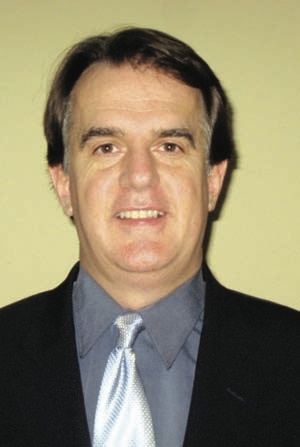
OTSP’s October 2009 healthcare directory entry named Ben Garrett as practice leader and executive producer. The offering spanned television, radio, internet, mobile and out-of-home networks. Healthcare was a specialist practice within the broader publicity business, with both professional and consumer audiences to consider.
That September, Garrett wrote for PRSA about learning social media from younger colleagues. He urged organizations to pay attention to the platforms new professionals used, track what attracted interest and experiment with emerging formats. Read as evidence of one executive’s outlook, it complicates the picture of an older broadcast business. At least some of the people inside it were actively discussing how audience habits were changing.
The audience moved. The company ended.
On The Scene Productions filed a voluntary petition for bankruptcy liquidation in October 2009. A subsequent FLEETCOR annual report records that event in a former OTSP executive’s biography. The studio expansion and the filing sit about sixteen months apart. Their proximity is striking; the chronology alone does not establish what caused the collapse.
The broader trade was changing. In 2013, reporting on West Glen’s closure, O’Dwyer’s described PR firms using their own studios, small production businesses and freelancers as production costs fell. It also noted OTSP’s 2009 demise. That is industry context, not a diagnosis of this particular balance sheet.
The expertise continued elsewhere. In September 2010, News Broadcast Network announced that former OTSP New York general manager and senior producer Michael Farr had joined it to work on video projects, including events, media tours and webcasts.
What survives as a useful working principle is modest and specific: decide where the material can go before deciding everything the shoot should contain. Budget for distribution. Prepare pieces that other people can use. And remember that an outlet’s interest, an audience’s attention and the survival of the company making the footage are three separate outcomes.