The first thing to fail was the old map. In 2005, a federal military realignment rearranged Fort Knox on paper. Units would move, missions would change, and roughly 5,000 military personnel, civilian workers and contractors would arrive in the surrounding region. A bureaucratic decision made far away was about to become a housing question, a workforce question, a business question and, above all, an explanation problem.
Beth Avey and Conrad Curry noticed the explanation problem. Both were U.S. Army veterans. Avey had worked as an Army public-affairs officer; Curry had led advertising for a strategic-outreach operation connected to Fort Knox. In 2006 they founded Heartland Communications Consultants in Elizabethtown, Kentucky. Their early clients included the organizations responsible for helping the region absorb change - economic developers, workforce groups and community institutions.
This is the useful oddity in Heartland's history. Many agencies begin with a medium: the founder is a designer, a copywriter, a filmmaker. Heartland began with a moving target. Its first durable skill was not making an advertisement. It was learning a place quickly enough to tell people what was changing and why it mattered.
The product hiding behind nine services
Today the menu is broad: public relations, marketing management, brand development, creative and graphic design, advertising, web development, social media, video and events. This is what “full service” means on the firm's website. It is accurate, but incomplete in the way a restaurant menu is incomplete. A list of ingredients does not tell you why the kitchen exists.
The through-line is translation. A workforce board needs job seekers to understand new services. A college needs footage that can function as an event recap today and as b-roll for a reporter tomorrow. A solar developer needs residents, landowners and officials to understand a 106-megawatt project before a siting decision. These are not primarily logo problems. They are situations in which several audiences possess different levels of information, different anxieties and different reasons to pay attention.
“Part of the team” is not the decorative line. It is the operating model.
Heartland's preferred description of its role
The firm says it has been known as Heartland Communications Consultants, Heartland Communications, HCC and TeamHCC. The name it says it values most is “part of the team.” That phrase explains the economics better than the acronyms do. Heartland can take a discrete assignment, but it also sells an embedded relationship: learn the institution, keep the message consistent, and switch disciplines as the problem changes.

Two receipts from the public record
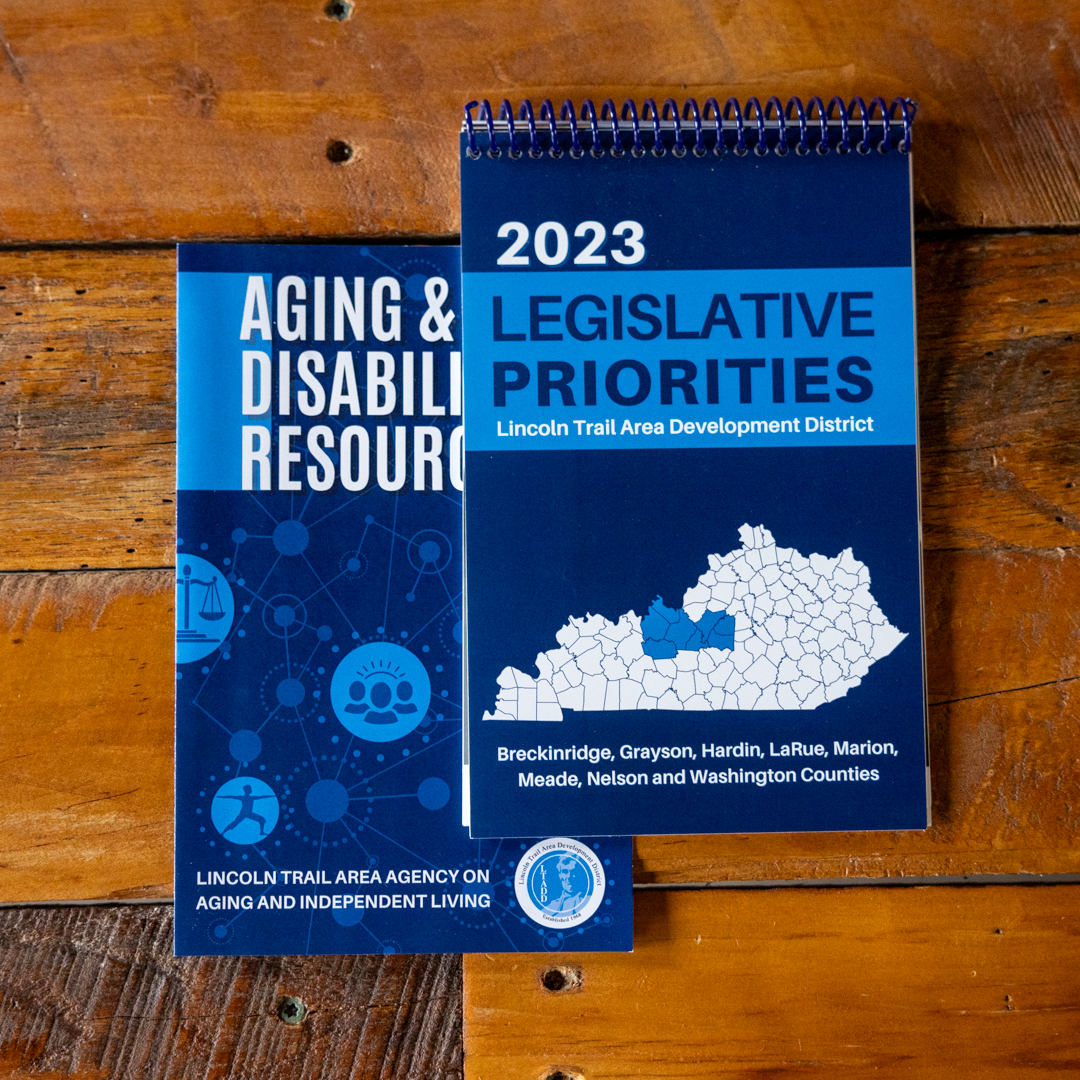
Private agency pricing is usually hidden, but public clients occasionally open a window. In 2024, the Lincoln Trail Area Development District recorded a $4,187.20 payment to Heartland for a ribbon-cutting and open-house event. In July 2026, a two-year Kentucky Community and Technical College System contract began with $160,000 allocated for multimedia work, including event recaps and b-roll to support media pitches.
Ribbon-cutting and open-house work reported by a regional development district.
Event recaps and reusable news footage for Kentucky's community-college system.
The gap between the figures is instructive. Heartland is not packaging a single product at a single price. It sells scope. An event is bounded by a date. A statewide video relationship extends across campuses, deadlines and future news cycles. Both use the same production muscles; the second asks the agency to remember more.
The model appears elsewhere. Public workforce-board minutes describe paid campaigns, online job-fair promotion, newsletters, landing pages and videos about high-demand careers. One campaign ran across Google display, Facebook, Instagram, YouTube and Snapchat. Later work added reporting on metrics and return on investment. The channel list changed. The institutional job - connecting people to work - did not.
A 30-second film and the long memory of place
In 2017, Elizabethtown Tourism ran a social campaign for its BBQ, Blues & Bikes festival. Heartland produced the 30-second video used on Facebook and Twitter; Snapchat carried a geofilter. The Facebook portion reached almost 93,000 people and drew about 59,000 views, while Snapchat and Twitter combined for roughly 51,000. The campaign won Best in Show at Kentucky's Traverse Awards.
The charmingly dated platform mix is part of the lesson. No durable agency advantage can be “knowing Snapchat.” Platforms age too quickly. The durable advantage is knowing which local event has a story, which audience might care, and how to turn one shoot into several useful forms. The tactic expires; the judgment survives.
Heartland's military roots help here. Public affairs is not simply publicity. It requires an ear for stakeholders, an acceptance that facts travel through chains of responsibility, and a tolerance for acronyms. That competence maps neatly onto hospitals, colleges, workforce boards, utilities, nonprofits and economic-development groups. The firm's clients are often organizations with worthy work and difficult sentences.
The rule worth stealing
In a 2012 chamber workshop, Kenny Rambo and Conrad Curry taught local businesses to segment the audience, define the direction and objectives, build the strategy, and only then choose tactics that fit the audience, budget and mission. This sounds obvious. Much of marketing exists because it is routinely done backward.
That sequence is portable. A manufacturer recruiting technicians can use it. So can a nonprofit explaining a capital campaign or a town preparing residents for new infrastructure. It also has limits. An organization seeking a single commodity deliverable may prefer a narrow specialist. And Heartland's strongest advantage - fluency in regional institutions - cannot simply be copied into an unfamiliar market without doing the slower work of listening, learning the power map and earning trust.
The succession test
Companies built on local relationships face a particular danger: the founder becomes the product. Heartland has already crossed one version of that bridge. Curry retired as Stephanie Apple joined the firm in 2012. In 2018, Avey left for a leadership role at the Knox Regional Development Alliance, and Rambo, who had joined as managing partner in 2007, became president and CEO. Apple became vice president. The agency continued, while one co-founder moved into the same regional-development ecosystem the firm had served from the beginning.
The circularity is neat. Fort Knox helped create the communications problem. The problem helped create Heartland. Heartland helped tell the region's story. Then one of its founders moved to an organization dedicated to protecting and promoting Fort Knox. The target was still moving; the people explaining it had simply changed seats.
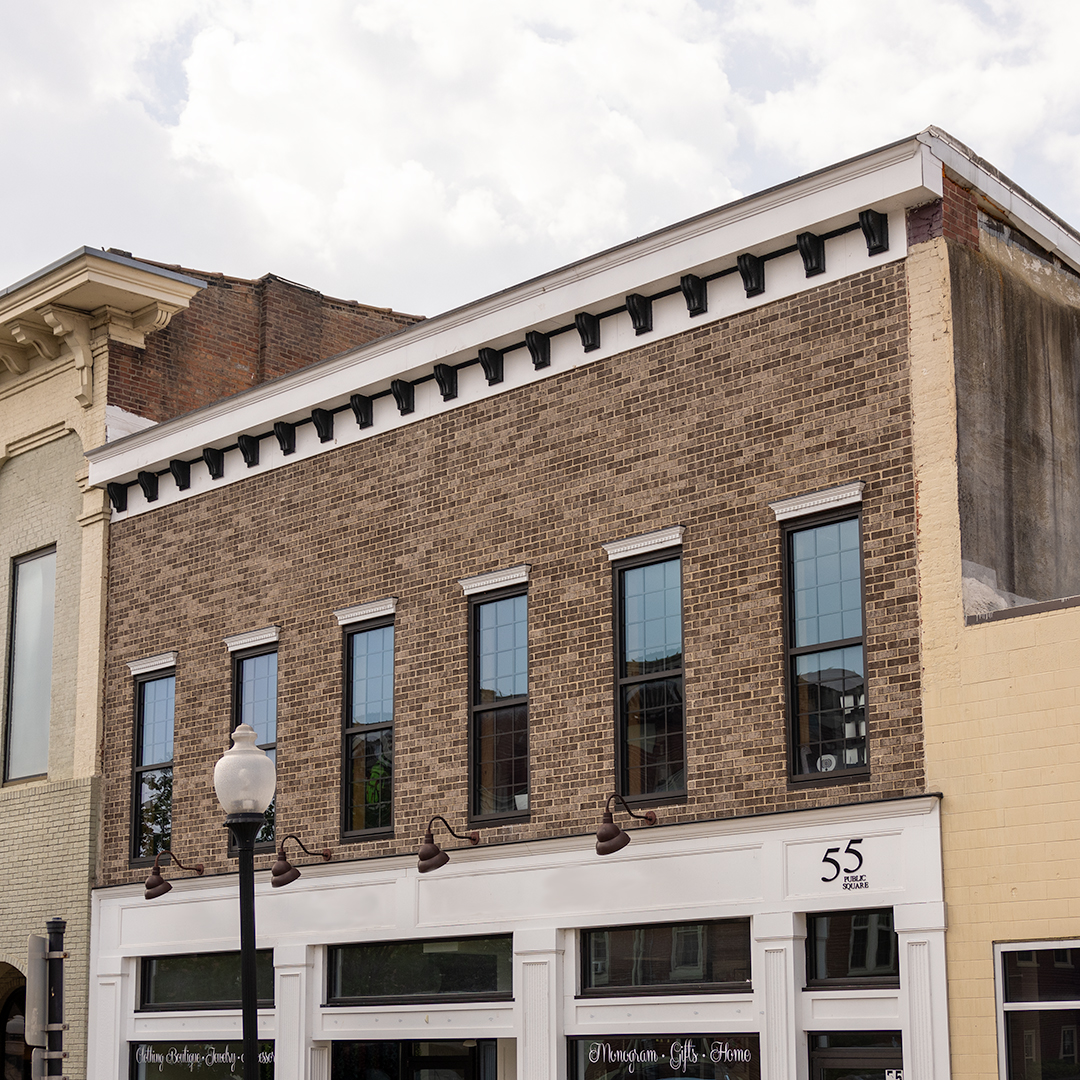
Heartland now works from a brick building on Public Square, but its announced reach extends beyond Central Kentucky to clients in Indiana, Texas, Alabama and elsewhere. The question is how far a business rooted in place can travel without sanding away the very context that makes it useful. The answer may be in the founding episode. The firm's real hometown knowledge was never a list of names. It was a method for entering a complicated situation, finding the audiences inside it and making change understandable.