A hospital cylinder is a peculiar kind of promise. It contains something urgently useful, but first it must be ordered, delivered, stored, moved, connected, checked, and eventually returned. Inhaled nitric oxide has long arrived in this form. The gas can help clinicians manage pulmonary blood flow in carefully selected patients, particularly in critical care. Yet the logistics are almost comically large for a treatment measured in parts per million.
The short version
- Novlead makes medical devices that generate and deliver inhaled nitric oxide at the point of care.
- Its buyers are hospitals and distributors; its users are trained neonatal, respiratory, and critical care teams.
- The same gas control skills now support breath analyzers and a broader cardiopulmonary portfolio.
- Approval came first in China in 2022, then EU MDR CE certification in 2025; commercial scale remains the test.
Novlead Biotech's answer was to move the making of the gas closer to the patient. Its iNOwill N200 is a portable generation and delivery system that produces nitric oxide on demand. On a technical drawing, that sounds neat. On a ward, the proposition is less abstract: fewer cylinders to maneuver, less unused gas, and a device that can follow clinical work rather than dictate it. The company describes an electrochemical process and an integrated system for generating, sensing, and regulating the dose.
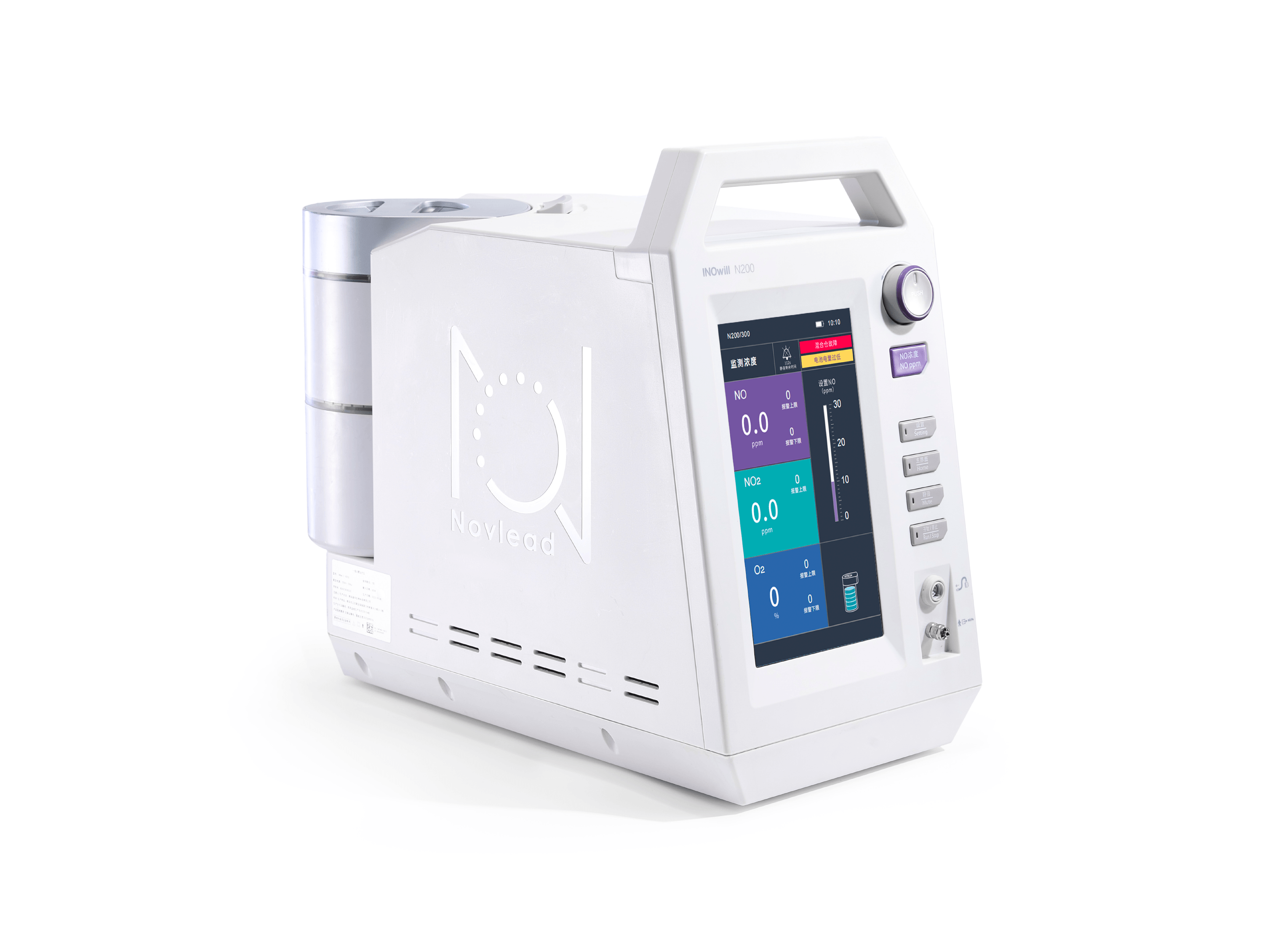
The trick is in the tiny number
Nitric oxide is not simply air with a better publicist. Inhaled therapy is delivered through a breathing circuit at low concentrations, with monitoring of the gas and relevant by-products. The clinical team needs a stable prescribed dose while ventilation and patient needs change. A smaller container would have been a cosmetic improvement. A generator that makes, measures, and adjusts gas as part of one system addresses the operating problem itself.
A bedside loop, simplified
Novlead began in Nanjing in 2018. Co-founder and chief executive Mao Wen had worked in biomedical product development at Abbott Diabetes Care and in precision medicine initiatives. Chief technology officer Zhang Yuyan brought medical device engineering experience from GE Healthcare's anesthesia and respiratory care business. That pairing explains much of the company's temperament. The question was never only whether nitric oxide could be made. It was whether a hospital could trust a machine to make it at the required concentration, repeatedly, under regulatory scrutiny.
The first iNOwill prototype appeared in 2020. China granted the product Class III medical device registration in 2022. It later received registration in Indonesia and Taiwan, followed by EU MDR CE certification in 2025. Each step turned a clever engineering proposition into permission to enter another clinical market. Permission, of course, is not the same as routine use. Training, procurement, service, and clinical confidence all have to follow.
One gas, more than one machine
It would have been easy to describe Novlead as a single-product company with a very specific trick. Its catalog has become stranger and more interesting. The eNOaire E200 adds a second inhaled nitric oxide therapy device. The eNOglow chemiluminescence analyzer, Reslink fractional exhaled nitric oxide detector, and etCOlink carbon monoxide detector inspect what comes out of a patient's breath. A NovaPulse intra-aortic balloon pump, approved in China in 2025, extends the company into mechanical circulatory support.
The diagnostic line is the logical cousin of the therapy line. Both demand precise handling of gases, sensors, calibration, and interpretable readouts. A pulmonary clinic measuring exhaled nitric oxide has a different job from a neonatal intensive care unit delivering it, but both are asking a machine to make a small molecule legible. The balloon pump stretches the family resemblance further: cardiopulmonary support instead of gas chemistry, still in the intensive care setting where reliability matters more than novelty.
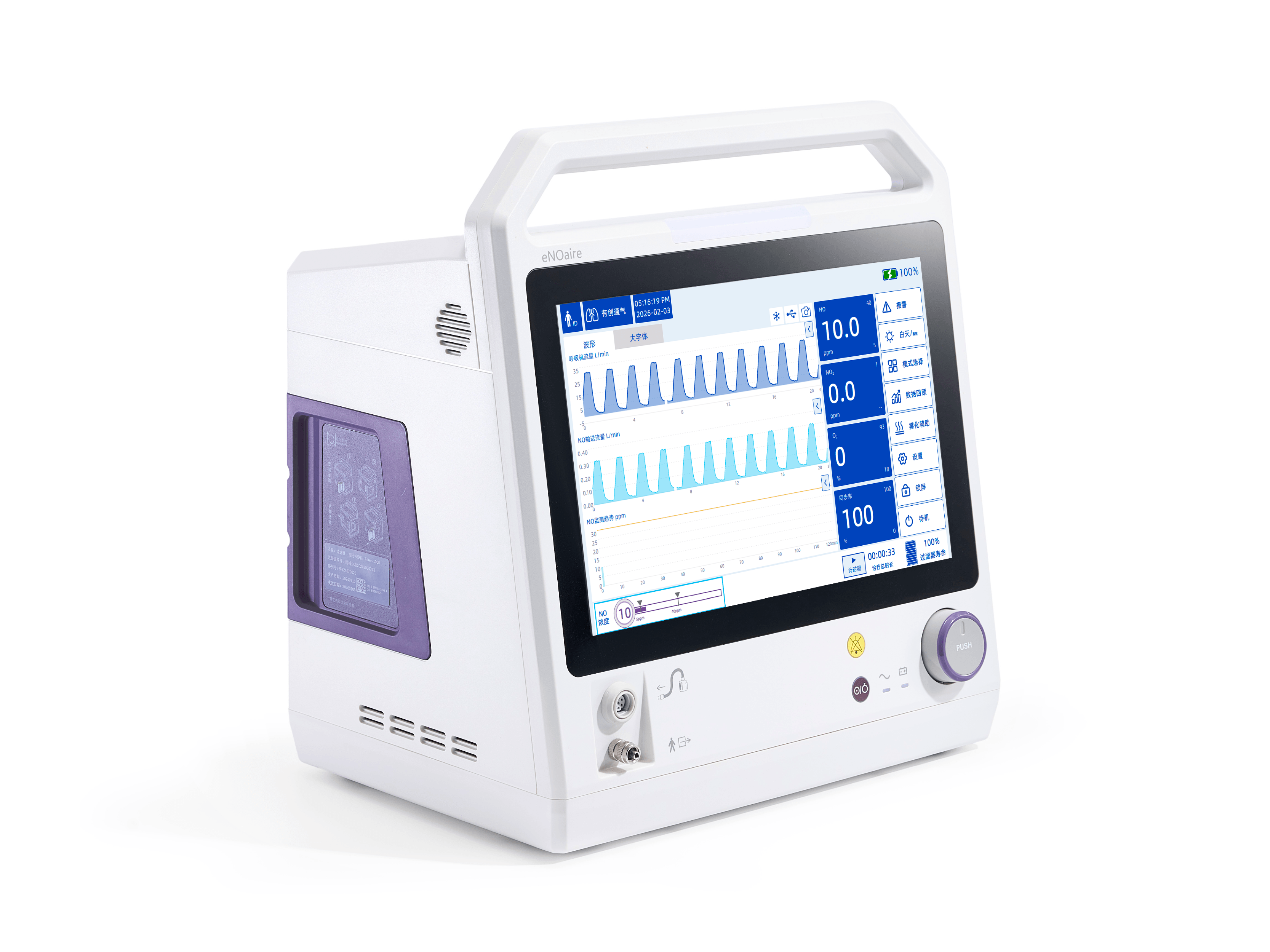
For customers, these products solve different problems. In a neonatal or adult ICU, iNOwill is a way to deliver prescribed inhaled nitric oxide without the usual cylinder arrangement. In respiratory diagnostics, the breath devices give clinicians measurements such as fractional exhaled nitric oxide or end-tidal carbon monoxide. None is a consumer gadget. Novlead's own product pages specify trained medical use, and the hospital buyer must consider maintenance and clinical workflow alongside the sticker price.
A business measured in registrations and repeat orders
Novlead sells regulated devices, largely through a distributor-led model that reaches hospitals. The economic appeal of on-demand generation is easy to see: a cylinder brings transport, storage, return, and waste into the treatment bill. The exact purchase price of an iNOwill system is not publicly listed, so a hospital would have to compare a formal quote, consumables, maintenance, and staff time against its existing supply contract. Claims of dramatic savings deserve that local arithmetic.
The company's 2026 Hong Kong application puts numbers beside the narrative. Reported revenue was about RMB 45.5 million in 2024 and RMB 63.2 million in 2025. It also reported net losses of about RMB 86.2 million and RMB 95.3 million in those years. The sales line rose; the cost of building and selling a regulated device business remained substantial. Earlier filing material describes a temporary sales dip during a 2025 distributor reset, when Novlead replaced or deepened relationships with channel partners. A superior device does not sell itself into an ICU. The route to the purchasing department is part of the product's fate.
The public filing also clarifies what the company is, and what it is not yet. Five approved products and five candidates in development form a portfolio, but every new use, geography, or device has a separate clinical and regulatory burden. There is no cheap shortcut from making a molecule to changing a standard of care. Novlead's advantage, if it lasts, will come from making that difficult work repeatable.
“Make innovative technology available, accessible and affordable.” Novlead's stated vision

What another builder can borrow
The useful lesson is surprisingly unromantic. Start with a clinical treatment that works but travels badly. Map every step around it: procurement, transport, storage, bedside setup, monitoring, waste, and support. Then ask whether one integrated device can remove several steps at once. Novlead's first prototype did not make the regulatory and commercial work disappear; it gave the team a specific object to test against both.
That approach has boundaries. A hospital with inexpensive, reliable cylinder supply and little pressure on storage may see less benefit from switching. A team without trained operators, maintenance support, or the required local approval cannot adopt a medical gas device merely because it is portable. And a company copying the idea would need deep gas chemistry, sensing, device engineering, quality systems, and clinical access. The attractive part of the story is the absent cylinder. The durable part is everything the engineers had to put in its place.
Novlead is now pursuing a Hong Kong listing while broadening beyond its founding machine. The most revealing measure of its success may be ordinary: whether clinicians can reach for an inhaled nitric oxide system without first thinking about a loading dock. When a hospital stops noticing the logistics, the engineering has finally earned its keep.