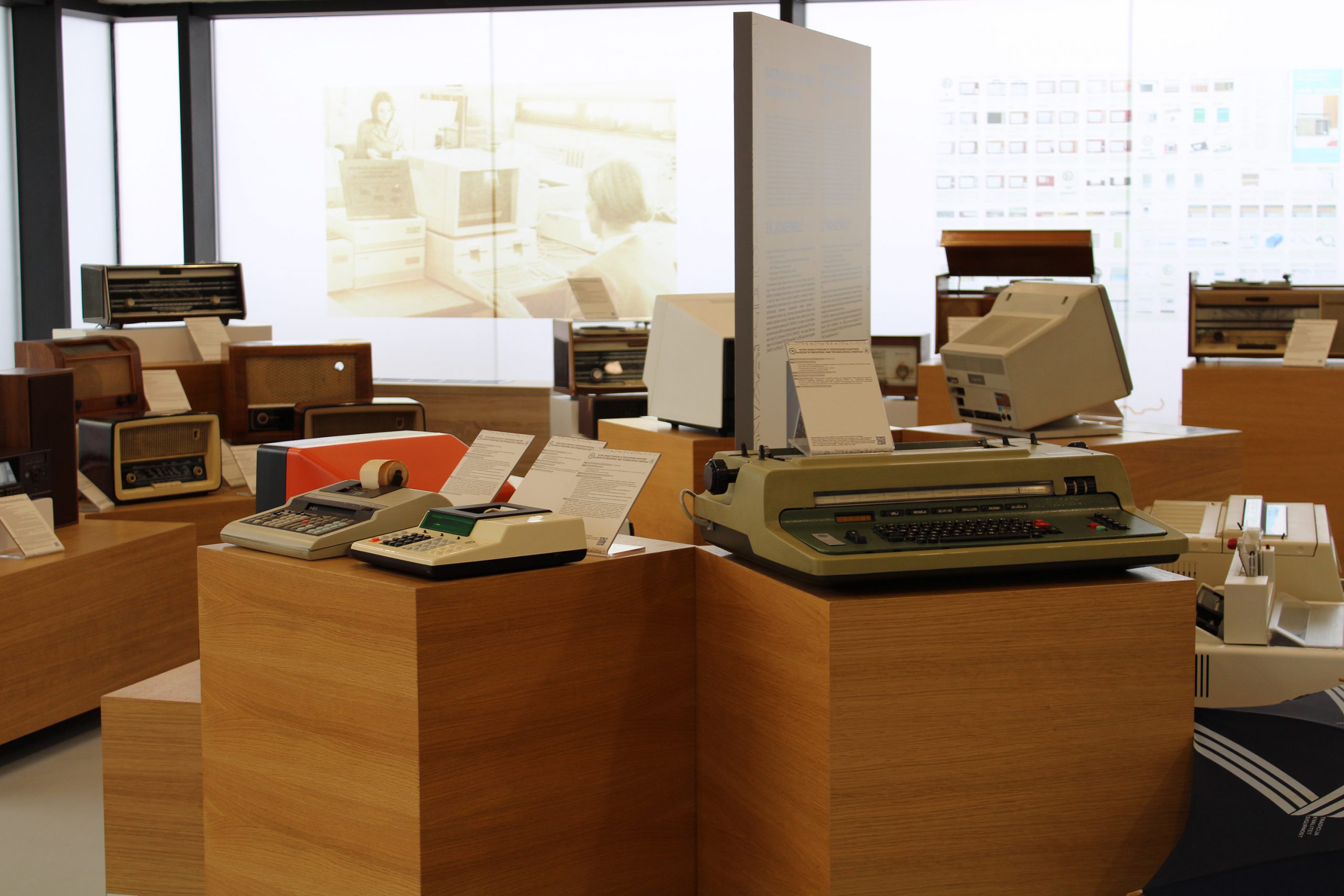
The oldest exhibit in Science and Technology Park Niš’s museum is an X-ray tube. Around it are radios, televisions and early computers: objects from a city that once manufactured the future in rather substantial boxes. Upstairs, the ambitions are newer. The difficult part remains familiar. Somebody has to turn technical knowledge into something another person wants.
- University connections, prototype tools and business support share one address.
- Launcher starts with market assumptions; selected 2026 teams were offered 1.4 million dinars.
- S4AI_HUB helps businesses test AI before committing investment.
That is a useful way to understand this Serbian company. A science park can look like an office development with unusually ambitious signage. Niš has given itself a more demanding assignment: connect researchers, founders, established businesses and public institutions so that a promising idea survives its encounter with the market.
The city already knew how to build
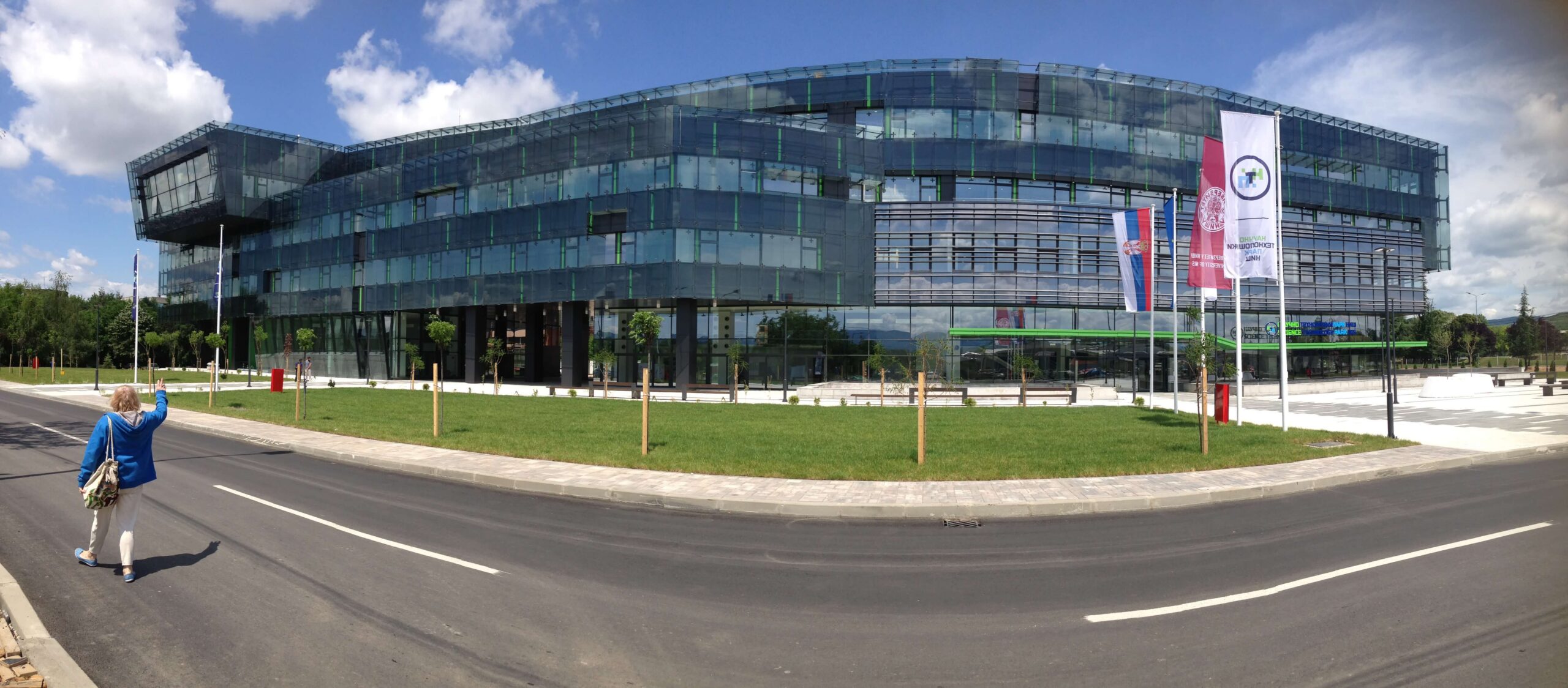
The park’s institutional founders are the Government of Serbia, the City of Niš and the University of Niš. It opened on 9 June 2020, within the complex of the university’s technical faculties. That location gives its proposition substance. Research commercialization is easier to discuss when the researchers are nearby.
Its mission describes an intermediary: an organization that helps knowledge acquire practical, commercial and social applications. The university supplies research and talent. Companies bring development problems and commercial incentives. The park supplies infrastructure, programs and introductions. My reading of this arrangement is that its real product is the connection between those parties.
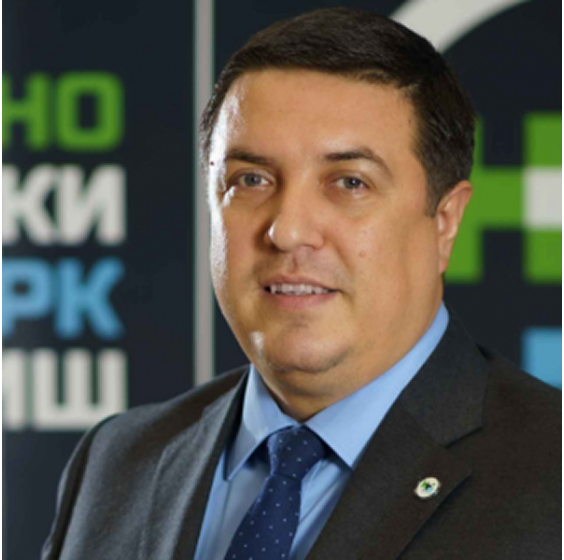
The person leading this work is Milan Ranđelović, a doctor of economics whose official biography describes experience in entrepreneurship, local economic development and investment attraction. Those are useful qualifications for an organization that has to arrange cooperation as well as provide buildings. The team includes business-development, infrastructure and international-project roles. That mix suggests the park understands a founder’s practical difficulty: the technical, commercial and institutional questions tend to arrive together.
The museum makes the connection unusually tangible. Its collection contains more than 400 exhibits tracing technological development from 1948, including early computers made by Electronic Industry Niš. A founder passing those machines gets a reminder that the city’s engineering history precedes the word “startup.”
The expensive part is the bridge
The original building and equipment cost €12.5 million, financed through the European Investment Bank and the Serbian state. The ministry also records more than €1 million in city-funded supporting infrastructure. In February 2024, the government announced roughly €25 million for the park’s second phase.
Infrastructure investment. The expansion figure is the announced commitment.
These sums describe physical capacity. They should be read separately from grants for individual startups or the money earned by member businesses. A larger building creates room for work; it does not tell us whether a product has customers.
The operating model combines membership, workspace and facility services with publicly supported infrastructure and funded projects. Conference rooms are also commercially available. The 3D Lab has printers, a plotter and CNC machines for making hardware prototypes. Sharing that equipment lets teams investigate an idea without assembling an entire workshop themselves.
Twenty teams, one awkward question
In May 2025, Launcher began its first phase with 20 selected teams from 108 applications. The opening five weeks covered eight educational modules, emphasizing problem validation and a clear value proposition. Its Running Lean approach asked teams to test assumptions and collect feedback directly from users.
The sequence matters. A technically competent team can spend months improving a solution before discovering that its intended customer has a different problem. Launcher’s design brings that discovery forward. The thing meant to change a founder’s mind is evidence from users. The useful failure, in this approach, is an assumption disproved while revising it is still affordable.
Launcher’s first-phase intake, May 2025. Selection is not a measure of eventual business success.
The 2026 call advertised 1.4 million dinars in non-repayable support per selected team, alongside mentoring and education. The broader park offers distinct routes: DISCOVER for early validation, LAUNCHER for the first product, GROWTH for teams with initial users, and SCALE for companies expanding after proving their market fit.
DISCOVER runs for six months and includes free coworking access subject to capacity. GROWTH is ongoing support during membership, covering sales, investment preparation, legal questions and access to talent. This is a sensible distinction: a student testing an idea and a company negotiating expansion do not need the same conversation.
Try the AI before you buy it
Established businesses have their own version of the prototype problem. They may know that AI could help, yet lack the expertise to decide which application deserves money. The park’s S4AI_HUB project addresses that uncertainty through cooperation, skills development, pre-investment testing and financing support.
“test-before-invest”The park’s description of its digital transformation approach
The hub reports €1.7 million in funding for a four-year project involving 22 key partners. Its intended users include SMEs, startups and the public sector. The practical idea is attractive: identify an operational need, develop the skills to assess it, and test a solution before an expensive commitment.
A network you can actually use
The member directory gives the park’s range some personality. Beehold develops an AI assistant for monitoring beehives. Canandi makes tracking systems for hunting dogs. Both need technology, but their users inhabit worlds far removed from a software conference. The park’s value must reach those worlds too.
Virtual membership offers access without occupying an office. International connections include IASP and the European Digital Innovation Hubs network. In September 2026, the park reported accepting StartupBlink’s Fastest-Growing Startup Ecosystem in Serbia recognition on behalf of Niš. The award belongs to the city’s collective effort.
For a reader, the copyable lesson is the order of work: define the user, test the problem, share expensive tools, then prepare to grow. It depends on relevant mentors, technical capacity and teams willing to listen. An introduction cannot manufacture demand. But it can help a founder reach the person who knows whether the idea deserves another month.
Visit the park ↗ · Explore DISCOVER ↗ · Launcher ↗ · S4AI_HUB ↗ · News & events ↗
LinkedIn ↗ · Instagram ↗ · Facebook ↗ · Watch the park’s YouTube channel ↗