The old software was running out of road. At Avara Foods, maintenance on an existing system was going to end. Meanwhile, people kept their own spreadsheets and wrote things on paper. Andrew Goodman, the company’s systems manager, described a familiar corporate predicament: plenty of records, scattered responsibility, too much hunting for an answer.
- MTech connects livestock production with planning, costs and traceability.
- Amino holds the records; Sonar, Axis and Proline help collect, interpret and plan.
- The useful lesson: fix the handoffs between teams before asking for smarter forecasts.
His requirement was wonderfully plain. We wanted to get stuff off paper and get it all in one database.
That sentence gets closer to explaining MTech Systems than a parade of artificial intelligence terminology. Before a producer can make a clever decision, everyone needs a usable account of what happened.
The bird travels. The information should too.
Consider the journey behind a chicken dinner. Breeding performance affects the supply of eggs. Hatchery results affect the number of chicks available. Those chicks need feed, space and time. Eventually, a processing plant needs birds that fit its schedule and customer orders. A change near the beginning carries consequences all the way through.
MTech builds software for that connected business. Its customers include poultry and swine producers, feed businesses and processors. The company says more than 150 leading animal-protein producers rely on its platform. Its public customer stories include Avara, egg producer Herbruck’s and Bell & Evans, which upgraded to Amino after more than 20 years with MTech.
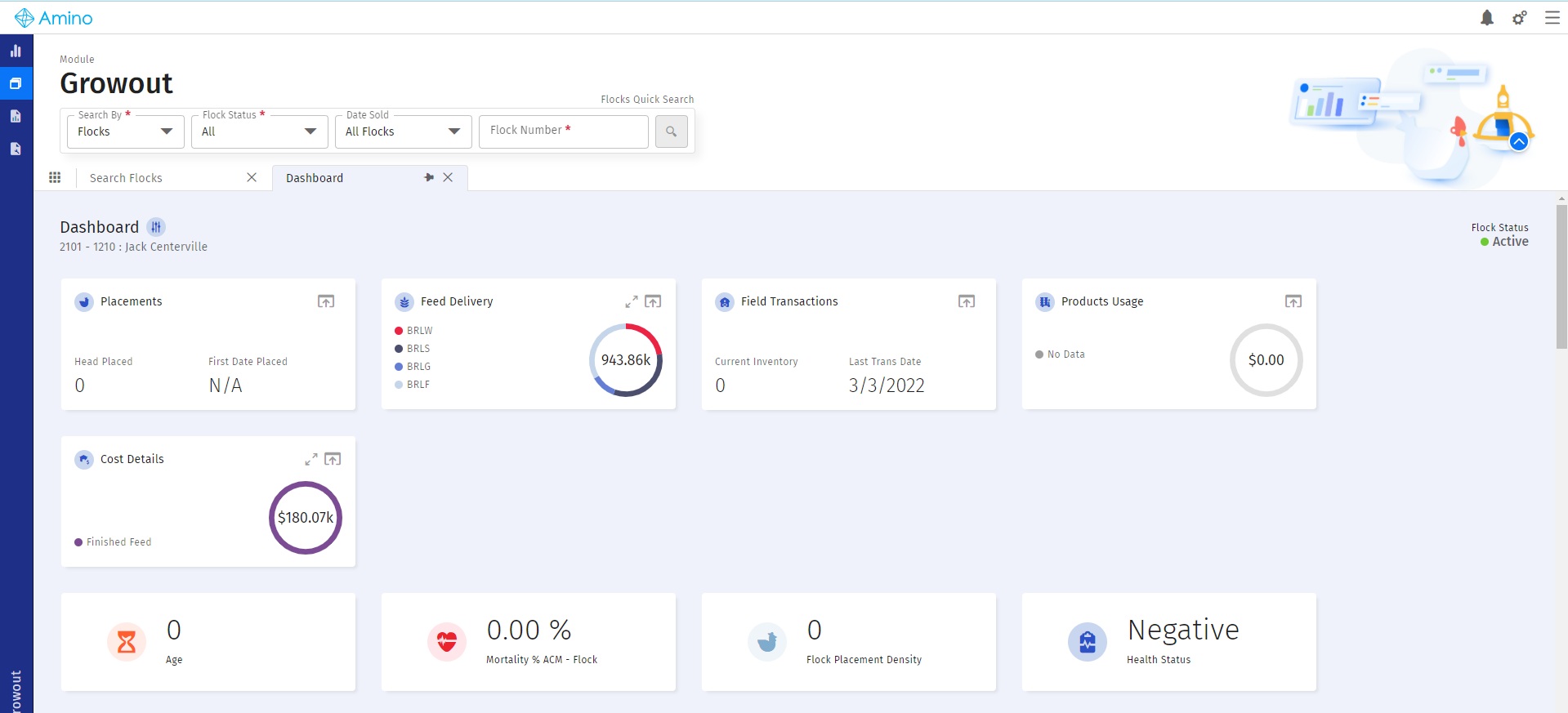
Amino is the central cloud platform. It brings planning, forecasting, inventory, production and financial information together. A breeder operation and a feed mill can use different modules while contributing to a connected record. That matters because knowing how many animals you produced is only part of the calculation. Knowing what they cost changes the conversation.
The water noticed the feeder
The other products do distinct jobs. Sonar collects information from farm devices, including gauges and scales, and supports remote monitoring and alerts. Axis supplies dashboards and reports. Proline handles meat production planning, using optimization and AI to explore alternatives before a processor commits to a plan.
One customer account makes the monitoring idea concrete. Grimes Farms grower Dwayne Grimes said he set water-intake alerts, noticed a house behaving differently and investigated. He found a feeder out and fixed it. The interesting detail is the indirect signal: the warning concerned water; the problem involved feed. The value arrived when someone walked over and looked.
The warning concerned water. The problem involved feed.One customer’s account of an alert becoming action
There is a useful operating principle here. Choose a signal that tells somebody where to investigate, give that person responsibility and connect the response to the record. A dashboard full of unexplained numbers cannot do that work by itself. Neither can an alarm nobody owns.
People who know what a flock costs
MTech’s specificity comes partly from its people. In a 2022 interview about Amino’s development, team members described careers in poultry and swine businesses. One had been a poultry controller. Another had worked in product cost accounting and production planning at a breeding company. These are useful backgrounds when your software must reconcile biological performance with a period-end close.

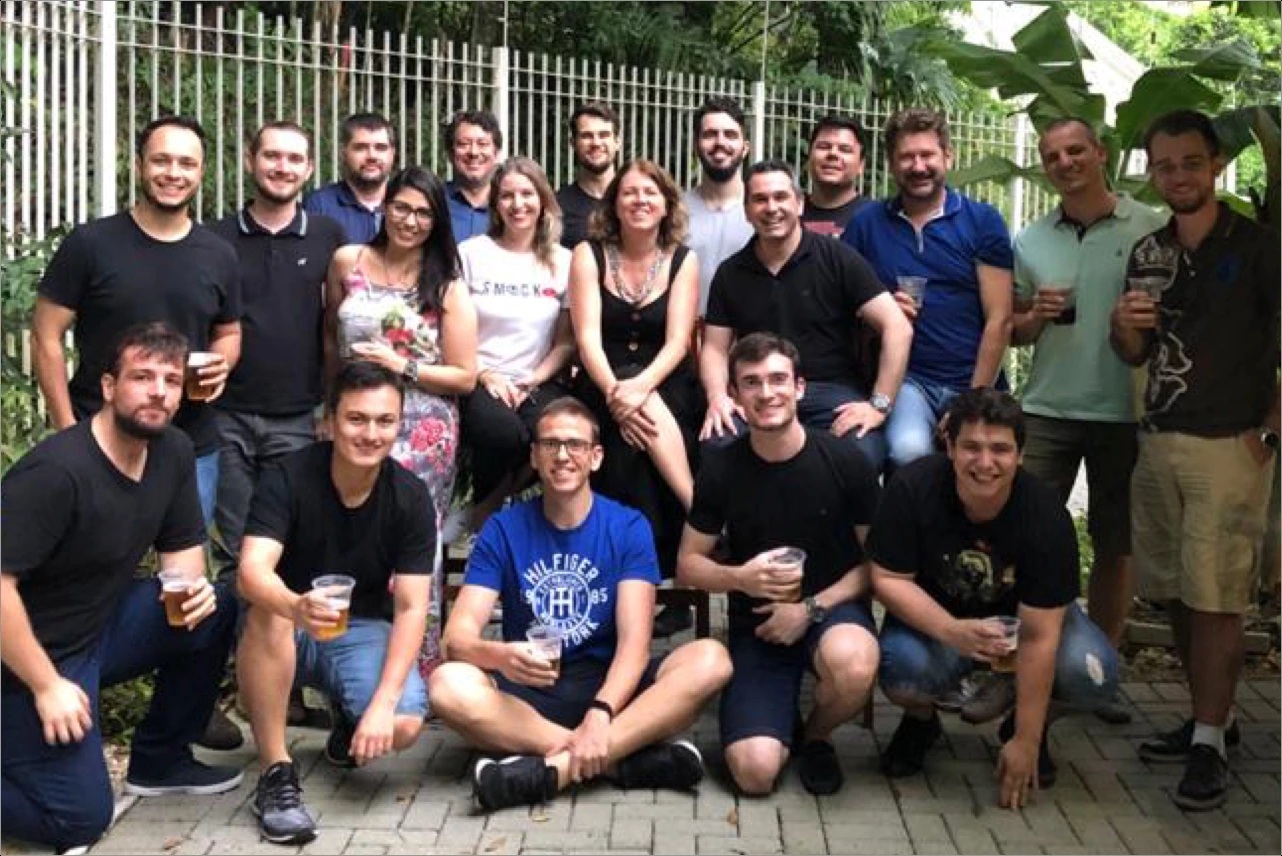
The same interview described a reason for building Amino: make capabilities used by large integrators available to smaller producers through a cloud application. Moving planning from an installed application to the web was a pivotal step. The ambition was to spend less effort entering data and more time understanding it.
That places MTech in a specialist enterprise-software market. PoultryPlan also connects stages of poultry production. General ERP systems and internal applications offer other routes. MTech’s proposition combines livestock workflows, costing, planning and farm data. A buyer’s practical question is how well those pieces fit an existing operation and its other systems.
A price tag, and a reason to change
The business model is SaaS, with modules and implementation shaped around the customer. In December 2022, Munters disclosed a $4.3 million Amino contract with an unnamed large North American poultry producer. The scope covered its value chain, including breeding, hatching, feeding and growing. That figure describes one enterprise agreement; it should not become a monthly-price estimate.
Amino contract announced December 2022.
One customer, with a full-chain brief.
Avara’s account supplies a different measure of value. Goodman estimated that moving from paper to digital saved hundreds of hours per week, with larger savings in some weeks. This is a customer testimonial published by MTech. His audit example is persuasive without a spreadsheet of returns: finding who delivered feed, where it came from and what was in it.
More recently, Annyalla Chicks selected Amino in September 2026 after growing beyond 300 employees. Its announcement said internally built systems had served earlier growth, but expansion required consistent processes and information across locations. These were expected benefits of the selection. They were not results from a completed rollout.
A new name above the same difficult handoffs
Munters bought a majority stake in MTech in 2017 and acquired the remaining shares in 2025. In May 2026 it introduced Speria, a commercial brand bringing FoodTech software and connected farm technologies together. MTech’s supply chain software is transitioning into that offering. In June, Munters began exploring a possible FoodTech sale; its October 23 update said the process was continuing.
The practical test survives the branding. This approach needs consistent records, workable integrations and people prepared to act. A producer with a narrow recordkeeping task may need far less software. For an expanding operation, the compelling idea is the connection: the hatchery’s decision becomes the mill’s plan, the plant’s schedule and finance’s explanation. Give those people the same facts, and the conversation can finally move forward.
Follow the flock
Explore MTech’s website, Amino, the company blog and Speria transition.
Find MTech on LinkedIn, X, Instagram and Facebook.
Watch: Bell & Evans customer interview ↗Explore: Inside Amino product video library ↗