In December 1953, Glen Kok set out for Fairbanks to answer a question: could a trucking company in Washington supply Alaska regularly? The trip was supposed to take a week. It took six. Treacherous driving and mechanical trouble had rather strong opinions about the timetable.
Kok came back with a qualified yes. A truck equipped for the job could make the journey repeatedly. Henry “Hank” Jansen bought two new trucks. Early in 1954, Kok and Oscar Roosma helped begin scheduled service over the Alaska Highway. A miserable trial had yielded useful instructions.
- Lynden combines trucks, barges, aircraft, and logistics services.
- Alaska is its operating heart; its reach extends internationally.
- The selling point is choosing transport around the cargo, deadline, and season.
The week that became six
The business had begun in 1906 with Ed and Ethel Austin, a wagon, and two horses in Lynden, Washington. Ed hauled goods; Ethel kept the books. Jansen, a former driver, bought the company with two partners in 1947. He saw an opening farther north.
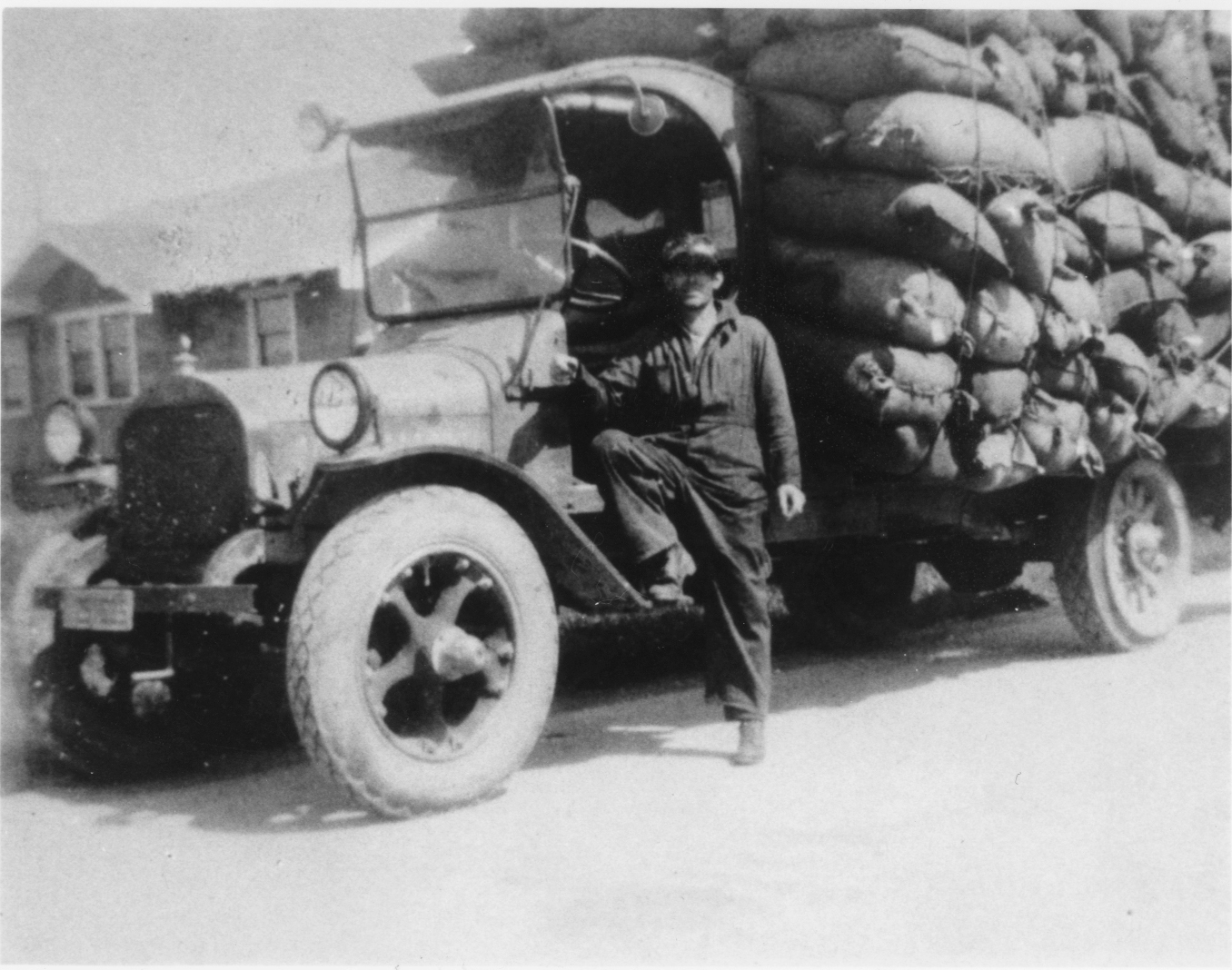
The first scheduled Alaska load included fresh meat. Its arrival demonstrated a useful middle position: quicker than barge transport, cheaper than flying. Lynden’s history says a failed inaugural delivery could have bankrupted the company. Fresh beef was doing quite a lot of financial work.
The instructive detail is Kok’s recommendation. He did not return with a promise that the highway would improve. He returned with a view of the equipment required. The distinction matters to anyone considering a difficult market: test the obstacle, then decide what you must own or know.
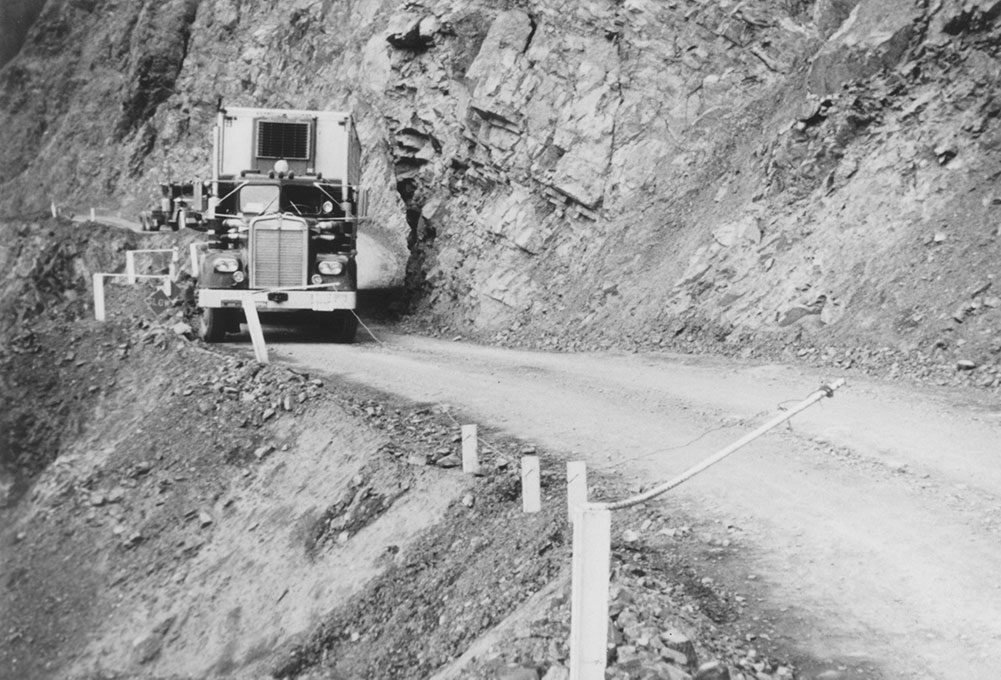
The boom ended. The customer remained.
A second lesson arrived after construction of the Trans-Alaska pipeline ended. Trucking activity fell sharply. Jim Jansen, Hank’s eldest son, led a move toward other transport modes and niche markets. Diversification began as a survival strategy. Customers still needed supplies, even when the construction surge was over.
That turn explains today’s family of companies. Lynden Transport handles road freight. Alaska Marine Lines and Aloha Marine Lines provide barge services. Lynden Air Cargo flies Hercules aircraft. Lynden Logistics handles forwarding and supply chain work. Their names describe different jobs within a broader delivery business.
The range also includes Canadian healthcare distribution and sanitary milk hauling through Milky Way. These businesses serve cargo with particular handling requirements. A medicine shipment and a tanker of milk are different assignments, but both punish casual treatment of temperature, cleanliness, and timing.
The difficult part is between the vehicles
Many freight companies can arrange a truck or book ocean space. Lynden’s distinction is its combination of operating capabilities and equipment adapted to awkward cargo and destinations. Its marine containers use Kaptive Beam decking so loads can occupy more vertical space without crushing the pallets underneath.
Consider a recent Cordova assignment. A failed backup generator had found a buyer in Texas. The unit weighed 50 tons and measured 35 feet long. Alaska Marine Trucking handled the local move; Alaska Marine Lines carried it south by barge. In Seattle, a crane transferred it to the onward carrier.
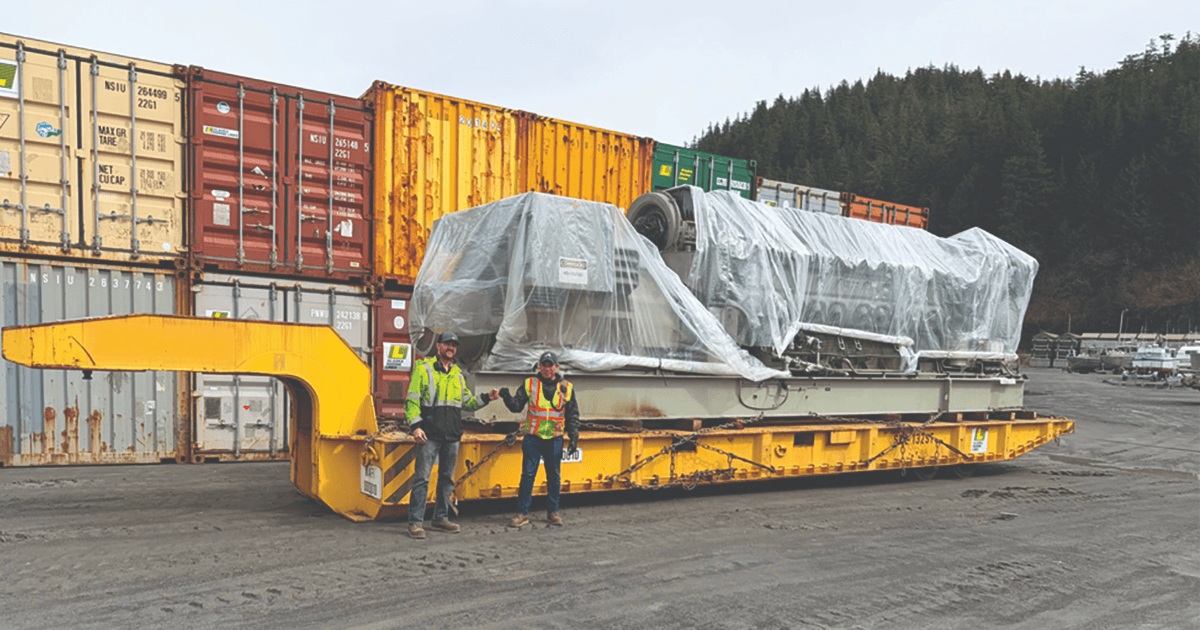
The interesting work sits in those handoffs: matching equipment, arranging lifting, and preparing the next leg. A customer buys coordination as well as movement. A collection of vehicles earns its keep when the cargo can pass safely from one to another.
Buy the deadline before the vehicle
Lynden’s customers include grocery suppliers, seafood businesses, builders, mining and energy operations, healthcare manufacturers, and government agencies. They need refrigerated freight, bulk hauling, oversized moves, distribution, or international forwarding. Individuals can also ship vehicles. The group earns money by charging for transportation and related logistics services.
Pricing starts with a personalized quote. The sensible conversation begins with destination, dimensions, weight, handling requirements, and the date the shipment is needed. Ask for alternatives where available. Paying for speed on every pallet can be an expensive habit; choosing a slow service for essential equipment can be worse.
Alternatives deserve consideration. Matson and TOTE operate Alaska ocean services; Samson offers barge transport. Road and forwarding choices include Carlile, Span Alaska, and Odyssey. Lynden’s breadth is useful when a job crosses modes or demands specialized access. A straightforward shipment should still invite comparisons on route, timing, handling, and price.
The administrative side is less picturesque but quite useful. Basic tracking needs no login. Frequent shippers can use EZ Commerce for shipment documents, delivery receipts, invoices, and activity reports. Better visibility helps a customer prepare for arrival and question a delay while there is time to respond.
There is an operating culture behind the equipment. Lynden recognizes employees through its monthly Everyday Hero program and says ideas for improvements come from people across the business. That is a plausible advantage in freight: the person closest to an awkward loading job may notice the solution before anyone reading a report.
Customers have supplied one public signal of performance. In August 2026, Lynden Logistics reported its twentieth Quest for Quality award, with a fourth consecutive top ranking in the airfreight-forwarder category. The result comes from a shipper survey. It offers evidence about service experience, rather than a promise about any particular delivery.
The road has an expiry date
Alaska adds a complication: the route itself can be seasonal. Lynden describes groceries traveling from Anchorage to Prudhoe Bay, then transferring to specialized vehicles before ice roads open. Once those roads are usable, the delivery method changes. When they thaw, aircraft take over essential camp freight.
“As Alaska changes with the seasons, we change how we move freight.”Paul Friese / Lynden Transport
Options have limits. Lynden reports that temperatures below -40°F can temporarily halt Rolligon travel. Having several transport modes does not make every mode available, affordable, or suitable for every load. Planning begins months ahead with customers and suppliers; the flexibility rests on preparation.
The company keeps adding capabilities. In 2026 it announced expanded healthcare warehousing in Guelph and CMMC Level 2 cybersecurity certification. Both concern requirements a shipment brings with it, beyond mileage. The transferable lesson is modest: learn the customer’s constraint, prepare the handoff, and keep a second route ready. Kok’s long scouting trip is still a useful place to start.
Follow the freight
Explore Lynden · Company news · Service and history films · Healthcare facilities video · YouTube