At a mill in New Limerick, Maine, LP Building Solutions spent $150 million changing what came out of the machinery. In 2022, the Houlton facility began making SmartSide siding. The conversion added 220 million square feet of annual operating capacity. It was a rather expensive way to ask a simple question: what makes one piece of processed wood more valuable than another?
- The business: engineered wood siding, structural panels and subfloors for building professionals.
- The bet: earn repeat orders through branded products that solve specific construction problems.
- The catch: even a distinctive board depends on installation, distribution and housing demand.
LP’s answer runs through a business that many people encounter without noticing. Its products sit beneath floors, behind walls and across house exteriors. Builders and remodelers use them; distributors and dealers get them to the job. The homeowner usually sees the paint.
01 The $150 million change of direction
Louisiana-Pacific, LP’s legal name, was incorporated in 1972 during its separation from Georgia-Pacific. Founding-era leader Harry Merlo helped build an enterprise around finding more uses for wood. By 1979, LP was producing oriented strand board in Hayward, Wisconsin. OSB turns wood strands into structural panels: an alternative to plywood with an entirely different-looking interior.
The later problem was economic. A useful panel can still be a commodity. When market prices fall, being good at making it does not necessarily protect the selling price. LP increasingly invested in products with reasons to choose them beyond availability.
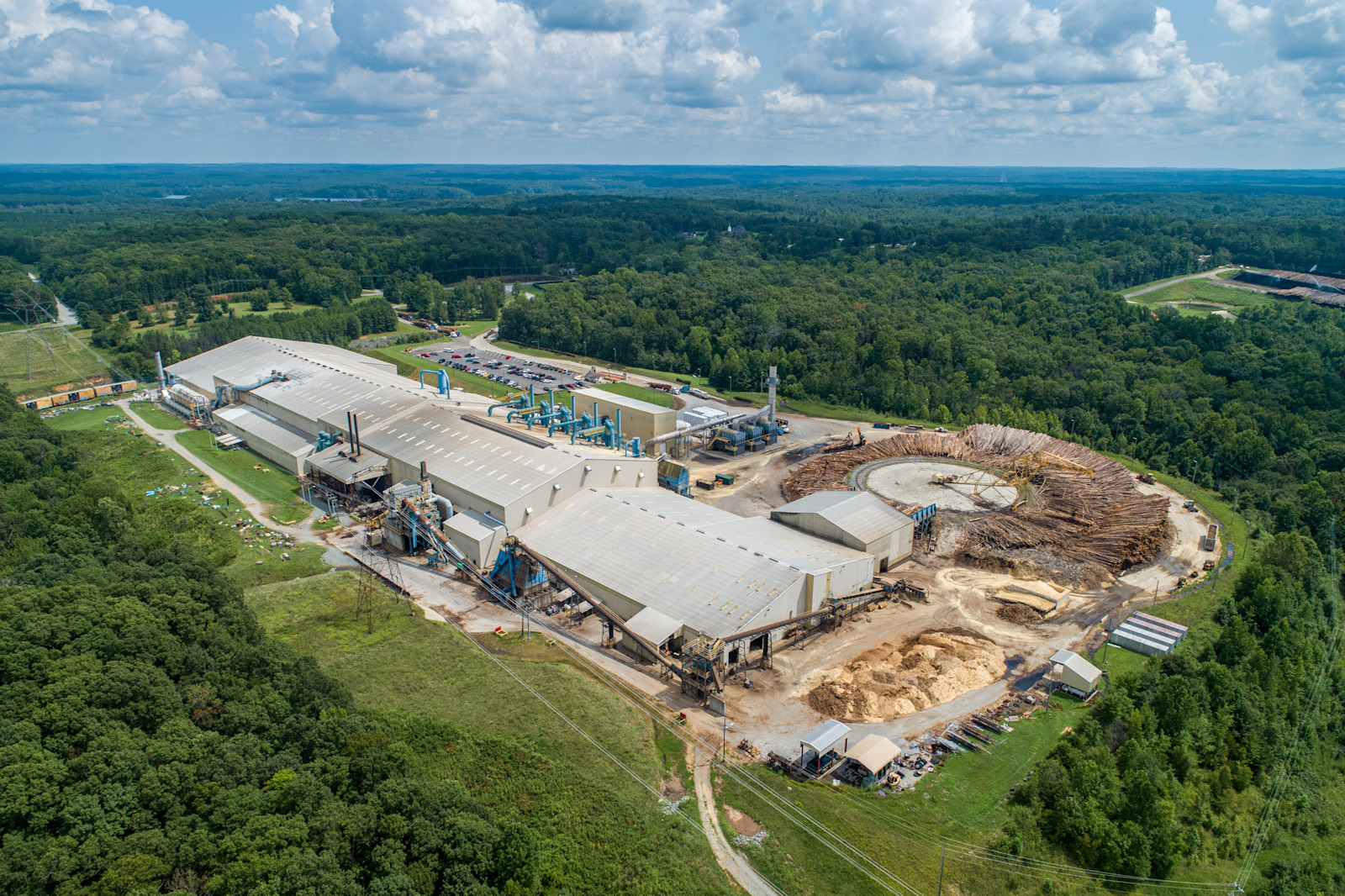
Houlton made that preference concrete. Separately, in August 2022, LP sold its Engineered Wood Products business assets to Pacific Woodtech for $210 million before adjustments. That division’s name can confuse matters: LP still makes engineered wood. It sold a particular business, while backing siding and structural panels.
Siding supplied about 62% of LP’s $2.708 billion total.
02 The rain got there first
There is a less comfortable chapter in the siding story. LP’s earlier Inner-Seal siding faced complaints that moisture caused swelling and deterioration. A nationwide settlement in 1996 established an initial $275 million fund. That figure describes the settlement fund announced then, rather than the ultimate cost of every claim.
SmartSide, introduced in 1997, is a different product. Its SmartGuard process combines adhesive resins, water-resistant waxes, zinc borate and a resin-saturated overlay. Each has a job. Resins bind; waxes resist water; zinc borate helps resist termites and fungal decay; the overlay provides another protective surface.
The distinction matters to anyone looking at an older house. “LP siding” is an imprecise diagnosis. Identify the actual product before borrowing either its predecessor’s reputation or its successor’s performance claims. A corporate name can persist while the material underneath it changes.
03 Sell the work the board saves
LP’s customer proposition becomes clearer beside a contractor’s saw. SmartSide competes with fiber cement, vinyl and traditional wood. Its case includes workability and handling, alongside appearance and durability. The relevant purchase is the completed exterior, including the work needed to put it there.
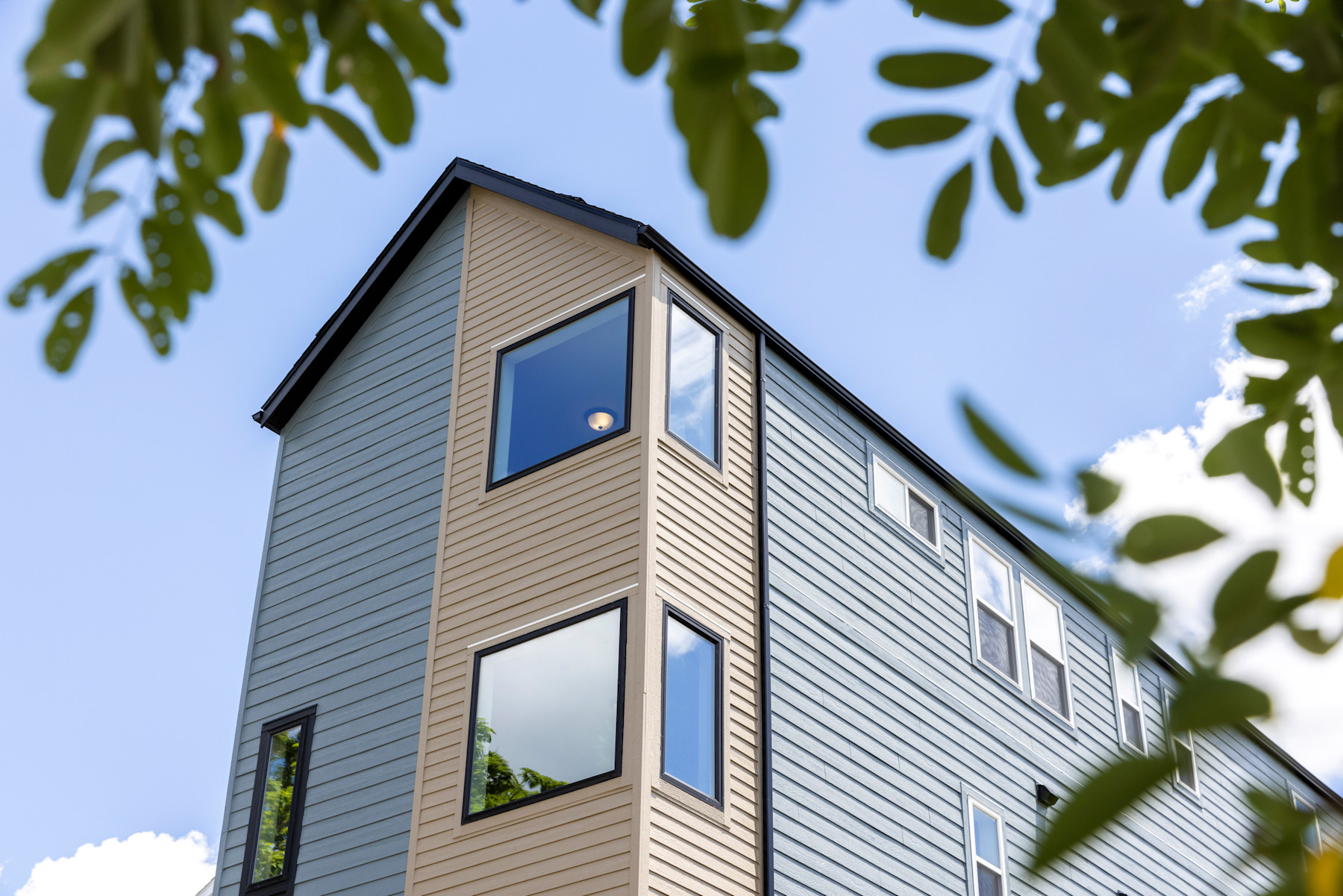
ExpertFinish, available from 2020, moves painting into the factory. That can remove a field-painting stage, although crews must still follow finishing and installation requirements. The Naturals Collection, added in 2025, offers the appearance of stained wood. LP is selling choices in both the work sequence and the finished look.
Behind the siding, the company offers other ways to give a panel a specific job. WeatherLogic addresses air and water management. TechShield tackles radiant heat transfer. FlameBlock serves specified fire-rated assemblies. Legacy subflooring uses Gorilla Glue Technology. These products bring building science into purchasing decisions that might otherwise begin and end with panel price.
That makes LP a supplier to both new construction and repair work, with sheds and other outdoor structures widening the customer mix. These uses give it several routes to a sale, although they do not remove its exposure to construction spending.
For a buyer, the practical move is to request an installed quote, then examine the exact product, accessories, warranty and application instructions. A brand cannot compensate for poor flashing, unsuitable detailing or ignored clearances. Fire performance, too, belongs to the specified product and assembly; it should never be assumed from the company name.
04 A brand still needs a truck
LP manufactures and sells physical goods through a distribution network. Its expertise therefore has to extend beyond wood chemistry to inventory, shipping and dealer support. An installer cannot buy a product that remains an attractive idea in a brochure.
In September 2026, LP announced a sharper SmartSide distribution strategy. Specialty Building Products would provide national coverage, with BlueLinx, Weyerhaeuser and other partners serving designated regions. Participating distributors committed to the full portfolio and would transition away from competing siding products. That is a consequential request for shelf space, sales attention and working capital.
Another manufacturer can copy the question behind the move: does the channel support the range the company wants to sell? The answer requires commitments from businesses with their own priorities. A wider catalog alone cannot provide them.
There is also a workforce behind that delivery promise. LP’s stated culture emphasizes safety, ownership and speaking candidly. The useful evidence is operational: in September 2026, it reported its fourth consecutive APA Safest Company award in its category, recognizing 2025 performance. Its foundation supports community work through donations and employee involvement. Those commitments sit alongside a manufacturing network spanning North and South America. Keeping that network reliable is part of the product customers buy.
05 The cycle gets the last word
In 2025, Siding segment sales rose 8% to $1.689 billion. OSB sales fell $352 million to $832 million. The contrast supports LP’s direction, but 2026 supplied a useful correction: second-quarter siding revenue fell 4% from a year earlier to $441 million.
“Current market conditions require us to align OSB production with demand.”
Jason Ringblom, CEO / September 2026
That September, LP announced an indefinite curtailment of OSB production at Jasper, Texas, beginning in October because of soft demand. The company described employee transition support. Factory strategy has consequences for people as well as spreadsheets.
LP’s useful lesson is specific: build something that saves the customer work, then organize production and distribution around it. The remaining test is whether customers keep paying for that advantage through a weaker market. Even after the chemistry, the finishing and the branding, a mill still needs orders.