Three million people are a rather large number to move quietly. Yet quiet was the point. Globe Telecom’s GOMO customers needed their mobile service to keep working while the software beneath it changed. In LotusFlare’s published account, the subscriber migration took under four and a half hours. The wider replatforming project took six months. Those two clocks tell different stories, and the second makes the first believable.
- The work: software that sells, activates, charges for and manages telecom services.
- The customers: operators including Globe, T-Mobile, Deutsche Telekom and A1.
- The consumer connection: LotusFlare also owns Nomad, the travel eSIM marketplace.
- The useful lesson: an easy customer experience often requires a serious renovation backstage.
Three million people, one quiet switch
For GOMO, a digital mobile brand in the Philippines, the problem sat behind the app. Separate legacy systems handled the customer relationship, business support and charging. Globe wanted a simpler foundation, with existing functionality preserved and operations improved. It already knew LotusFlare through their work on GlobeOne. That earlier collaboration mattered: this was a replacement entrusted to a familiar partner.
LotusFlare’s approach began with the experience a customer should have. The team then configured and integrated DNO Cloud components, bringing functions such as product catalog, charging, payments, orders and engagement into one platform running on AWS. A migration of this size is easy to admire as a feat of speed. The more useful detail is the reduction in separate systems that had to agree before anything could happen.
Published customer materials report a 40% reduction in operating costs. They also describe offer launches moving from six weeks to minutes. These are results reported for one deployment, not a universal savings schedule. The distinction matters to anyone buying enterprise software: a successful customer’s stopwatch is evidence, but it is not your contract.
Facebook habits meet the phone bill
LotusFlare began in 2014 with a mobile-access ambition. Its three founders had worked at Facebook: Sam Gadodia in growth, Terry Guo in product, and Shao Xia in engineering. Their founding idea was to make mobile internet more accessible and affordable by simplifying the technology that delivered it. Today Gadodia is CEO, Guo is president and chief product officer, and Xia is chief technology officer.
There is a useful tension in that background. A growth team asks why someone stops using a product. A telecom software team must also ask what happens after someone presses “buy.” The charge, activation and account update need to agree. In telecom, a pleasant screen is only the beginning of the transaction.
The early investors funded that access mission. Reported seed financing of $4 million in 2014 was followed by a $6 million Series A in September 2015, led by Social + Capital with Google Ventures and Metamorphic Ventures participating. The company’s later work gives that founding ambition a concrete route: change the systems operators use to package and deliver services.
The backstage determines the storefront
DNO stands for Digital Network Operator. DNO Cloud is LotusFlare’s cloud-native business support system, or BSS: the commercial machinery around a communications service. Think product definitions, orders, charging, billing, payments and customer engagement. The network carries the traffic; this software helps turn the service into something a person or business can purchase and manage.
- 01ChooseApp or website
- 02OrderCatalog + checkout
- 03ActivateNetwork integration
- 04ManageCharging + care
Operators license the platform, and LotusFlare supplies professional services as part of delivery, from experience design through implementation and maintenance. This is enterprise SaaS with substantial integration work. It is useful to an operator replacing legacy BSS, launching a new digital brand, enabling wholesale partners or opening an API marketplace.
LotusFlare describes its platform as componentized, sharing one codebase rather than assembling acquired products. It also says the people who build it deploy it. Those are meaningful claims to investigate during procurement. Buyers still have alternatives: Amdocs and Netcracker offer telecom commerce and business support systems, with cloud and AI capabilities of their own. “Cloud-native” needs supporting evidence.
Its standards work supplies one piece of that evidence. In September 2026, LotusFlare announced Platinum-level certification in TM Forum’s Open API Conformance program, following Gold in 2024. Standard interfaces can reduce bespoke integration work. They do not relieve a buyer of checking the actual interfaces, operating model and dependencies in its own estate.
A phone company without the shops
A1’s re:do, launched in February 2023, makes the proposition visible. It is an all-digital mobile brand whose customer operations run through the app. LotusFlare supplied DNO Cloud alongside website and self-service mobile app development. In a company interview, a solution architect described deploying almost all the platform’s SaaS components for this new operator.
The same interview is refreshingly specific about the work: signed-off requirements, communication between frontend and backend teams, integrations with identity checks and payments, and rigorous acceptance testing. Removing a shop transfers work elsewhere. Someone still has to make enrollment, payment and help understandable on a small screen.
“Post-launch (support) is as essential as pre-launch support.”
From LotusFlare’s solution architect interview on re:do
Other projects use the same commercial machinery differently. Globe’s GFiber Prepaid launched in June 2023 with LotusFlare’s platform. T-Mobile’s Your Name, Our Wireless, introduced in July 2024, is a managed solution for businesses launching custom wireless services. LotusFlare identifies DNO Cloud as the platform behind YNOW. A business with an existing audience can explore a wireless offer without first building a mobile network.
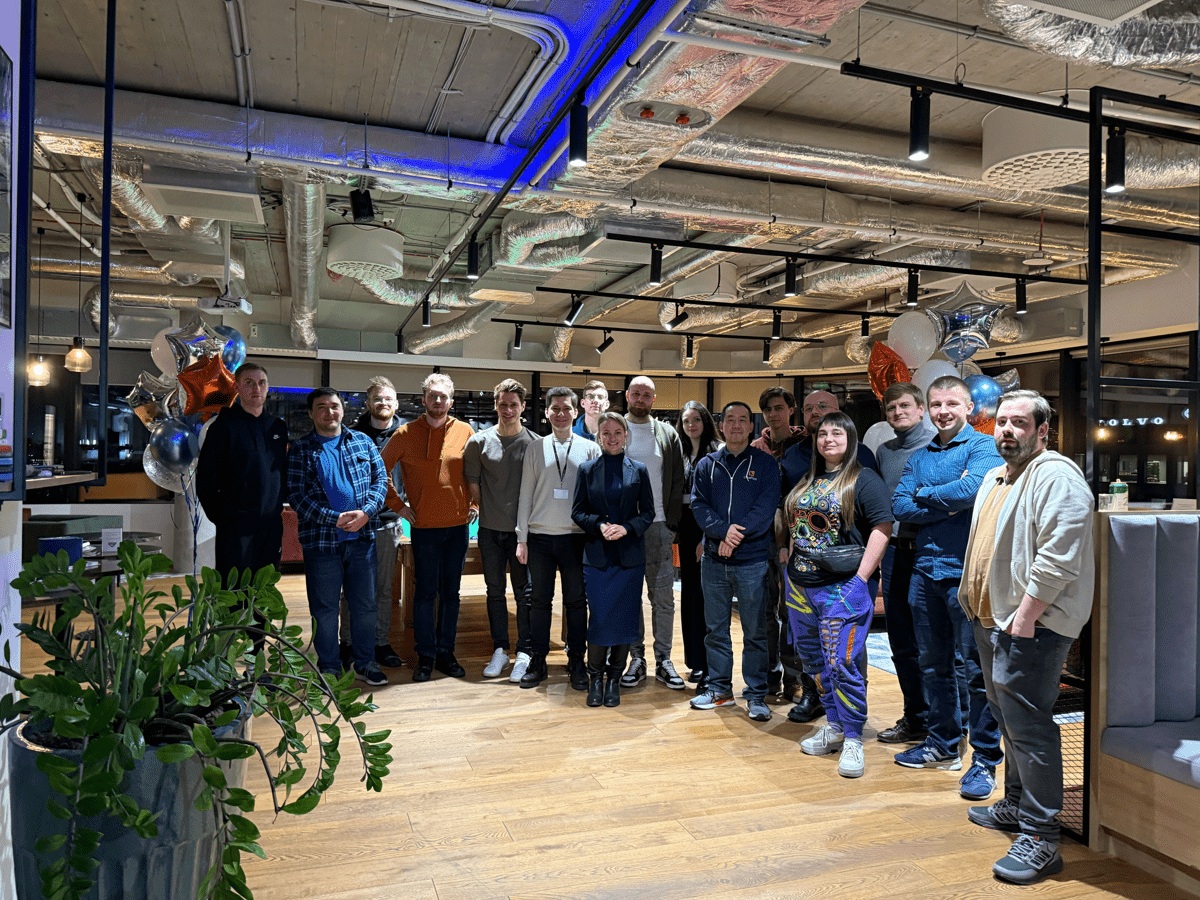
The careers site’s stated values include craftsmanship, ownership and growth, with mentorship and an education budget among its advertised benefits. Those are employer promises. The architect’s account gives them a more tangible expression: people coordinating across teams so a customer’s simple action survives the journey through several systems.
The travel app in the machinery
Most travelers will meet LotusFlare through a different name. Nomad, launched in 2020, sells travel eSIM data plans on the web and through iOS and Android apps. LotusFlare owns and operates it. A traveler with a compatible device can buy connectivity digitally instead of making a physical SIM purchase part of the arrival ritual.
Nomad’s own origin account describes airport queues, roaming bills and unfamiliar plans as the friction it wanted to remove. This gives LotusFlare an unusual combination: it sells the machinery to enterprises and runs a consumer business that uses the same broad commerce approach. The company also offers a travel eSIM solution for operators wanting their own branded service.
Nomad fits people who need mobile data while traveling; the enterprise platform fits organizations designing and operating connectivity businesses. Their common concern is the transaction: make a service understandable, purchasable and usable. A traveler is unlikely to ask about the billing architecture. A failed activation will nevertheless make architecture very much their problem.
The next product is permission
The network API business extends that transaction to developers. Deutsche Telekom selected LotusFlare in July 2024 for the commerce and monetization layer supporting its Magenta API Capability Exposure platform. The work includes onboarding developers, publishing API products, handling purchases, metering use and billing. A network capability needs a commercial front door.
Ericsson’s December 2025 strategic partnership, accompanied by a minority investment, focused on that opportunity. The announced blueprints cover API exposure, access and consent management. The financial terms were undisclosed. Here the integration question reaches beyond software plumbing: which customer has authorized which use of a network capability?
In September 2026, LotusFlare’s API Monetization Platform won the Leading Lights award for Most Innovative Network API Product or Platform. Its announcement highlighted the judges’ attention to consent management. Location, identity and verification services can run into commercial and regulatory obstacles before their technical promise reaches a paying user.
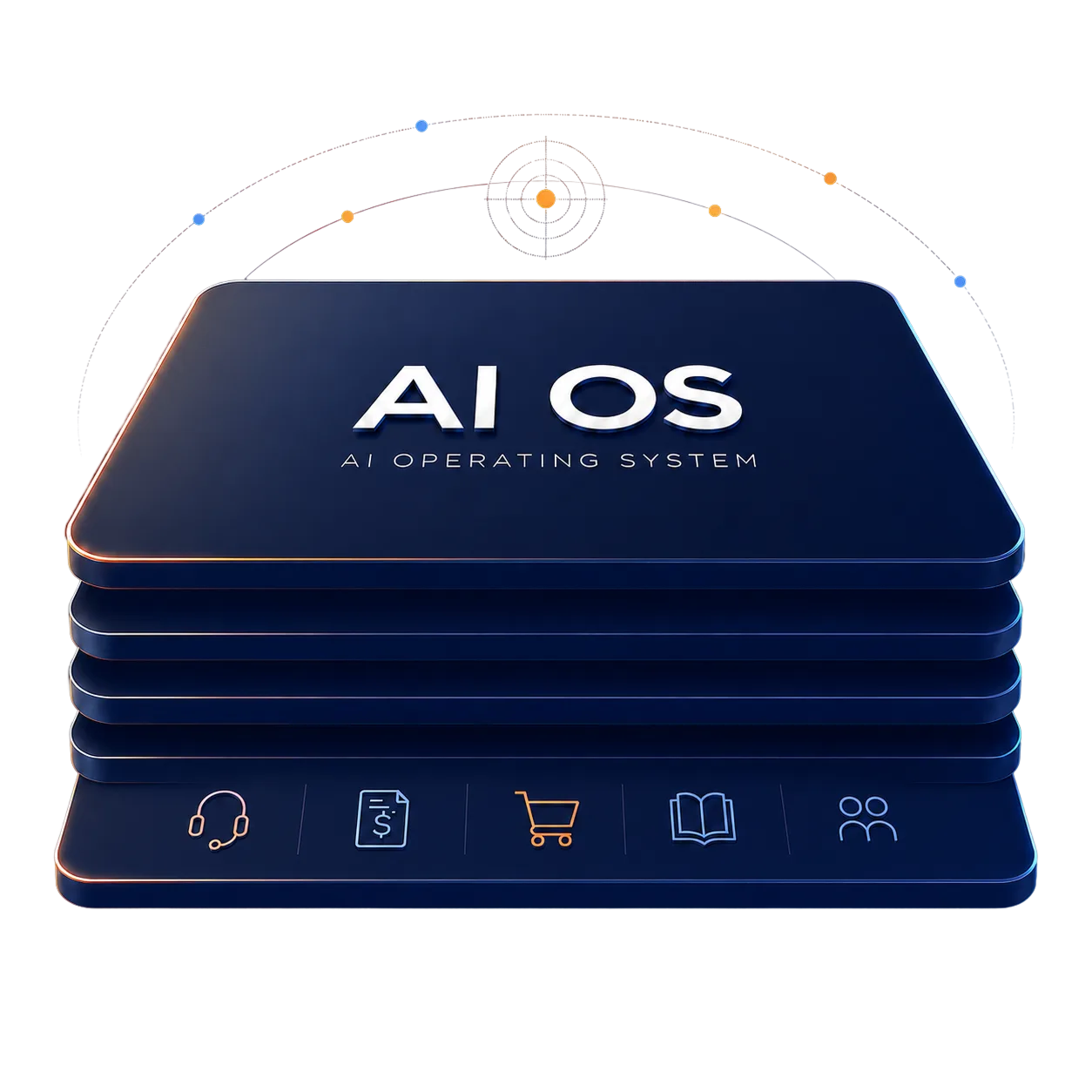
LotusFlare now also markets Thoughtful AI and AI OS, including a shared layer for coordinating agents. Its website says AI OS can be deployed independently of core replatforming. That widens the product pitch. For buyers, the sensible measure remains the task completed, the systems touched and the amount of human intervention still required.
Copy the sequence, not the stopwatch
The portable lesson from these projects is practical. Begin with the customer action you want to improve. Agree the requirements. Map the systems that must participate. Test the entire transaction, including its awkward exceptions. Keep support in the plan after launch. None of this is glamorous, which may explain why it is so easy to skip.
The approach requires conditions that a polished demo cannot supply: workable network and provisioning integrations, identity and payment partners, migration preparation, and agreement about who operates the result. An eSIM journey also needs compatible devices and usable coverage. Replacing a commercial platform does not manufacture a radio signal or erase every legacy dependency.
LotusFlare’s appeal lies in a concrete proposition: fewer disconnected commercial systems can make it easier to change what a telecom business sells. GOMO’s migration makes that proposition legible. Three million subscribers did not need to admire the renovation. They needed the phone to work. For software hidden behind an everyday service, that is a fairly exacting review.
Explore LotusFlare, Nomad eSIM, the DNO Cloud demo request and customer stories and blog. Watch Terry Guo’s MWC interview or browse the company YouTube channel.