The revealing object in the Ksolves story is a dashboard. It sits inside Odoo, the business software suite, turning company records into charts a manager can actually read. A useful purchase, certainly. But why would an engineering company put so much effort into something relatively small? Follow the purchase beyond the checkout, and the answer starts to appear.
- Ksolves combines enterprise engineering with software products of its own.
- Its Odoo apps can introduce buyers to larger implementation and support engagements.
- Its data tools tackle a specific headache: moving changes into production safely.
A dashboard with a second job
Ratan Srivastava started the business as Kartik Solution in Indirapuram in 2012. The company’s store history records a revealing progression: a free Odoo app, Universal Discount, in 2017; a paid app, Dashboard Ninja, in 2018. Before asking a customer to commission a system, Ksolves had something the customer could try.
By January 2025, Srivastava was explaining the economics to investors. A product sale might bring roughly $500 to $600, he said, while subsequent engineering work could run into thousands of dollars a month. Those were historical examples, rather than a price list. His explanation of the connection was wonderfully domestic:
“it is a way to step into their home”
Ratan Srivastava · January 2025 earnings call
The buyer already has an ERP system. That system needs maintenance, alterations and connections to other software. A dashboard gives the supplier a chance to demonstrate competence before the larger conversation. The product earns its keep twice: once as software, then as an introduction.
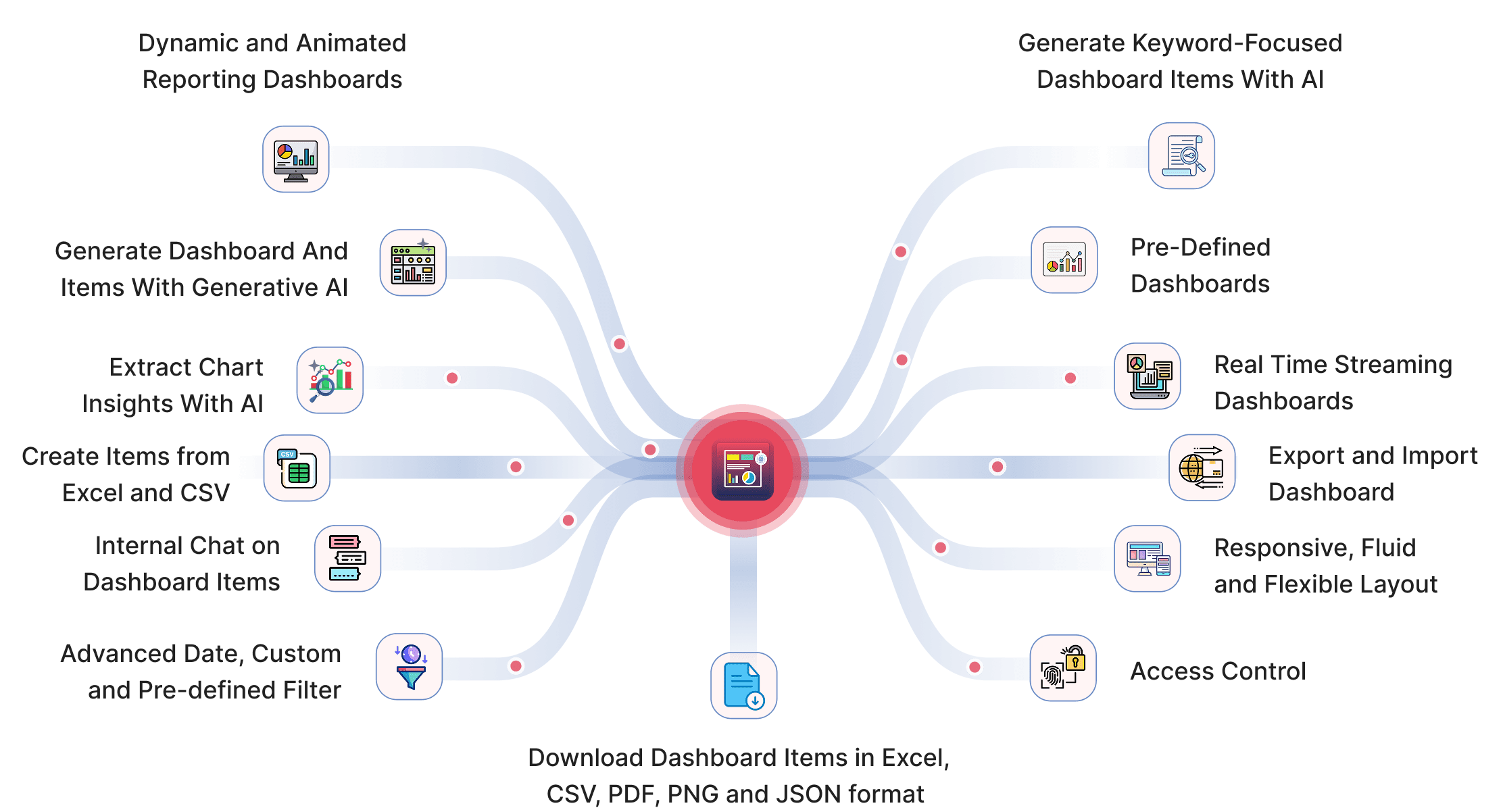
Today, Dashboard Ninja with AI offers generated dashboard items, predefined layouts, streaming displays and access controls. For an operations manager, the attraction is straightforward: information that used to require a reporting request can become something the team consults directly. For Ksolves, the app is also evidence that its engineers understand the platform underneath.
The expensive part is the handoff
Now move from the manager’s screen to the data team’s deployment queue. Apache NiFi helps organizations move information between systems. But a working data flow still has to travel between development, testing and production environments. Every manual handoff creates another opportunity to carry the wrong setting into the wrong place.
In Ksolves’ account of an unnamed U.S. banking client, that handoff had become the bottleneck. Engineers were manually deploying flows across multiple clusters. The company installed Data Flow Manager, adding automated deployment, checks, approval controls and centralized logging. Ksolves reports a 70% reduction in deployment time. The client is unnamed, so treat the number as a vendor-reported outcome for that engagement.
70% less time Indexed comparison · company-reported
The distinction matters. NiFi was already doing useful work. The trouble appeared around releasing changes to it. Ksolves built a product for that surrounding work: the checks, permissions and records that make an enterprise comfortable running a system tomorrow as well as today.
Another published case describes replacing Informatica PowerCenter with NiFi for a retailer. Licensing costs and lengthy batch windows prompted the change; Ksolves reports faster processing after the migration. The practical lesson is to locate the constraint before choosing the tool. Sometimes the expensive thing is the license. Sometimes it is the waiting.
A search box needs something to search
That attention to connections explains the breadth of Ksolves’ services. It implements Salesforce, customizes Odoo, builds data pipelines and handles cloud and DevOps work. Its place in the market is between the platform vendor and the business trying to make that platform fit. The alternatives include another implementation partner or an internal engineering team.
Mind AI Ninja brings the same problem into the AI era. The product offers natural-language access to organizational information, document summaries and reporting. Role-based document access is part of the advertised package. That detail deserves attention: a search assistant must respect who is allowed to see the answer.
A company can buy a conversational interface quickly. Making the information behind it useful requires decisions about documents, databases, ownership and permissions. Ksolves sells work on both sides of that boundary. The combination is relevant for businesses whose knowledge is scattered across departments and whose systems have accumulated years of separate decisions.
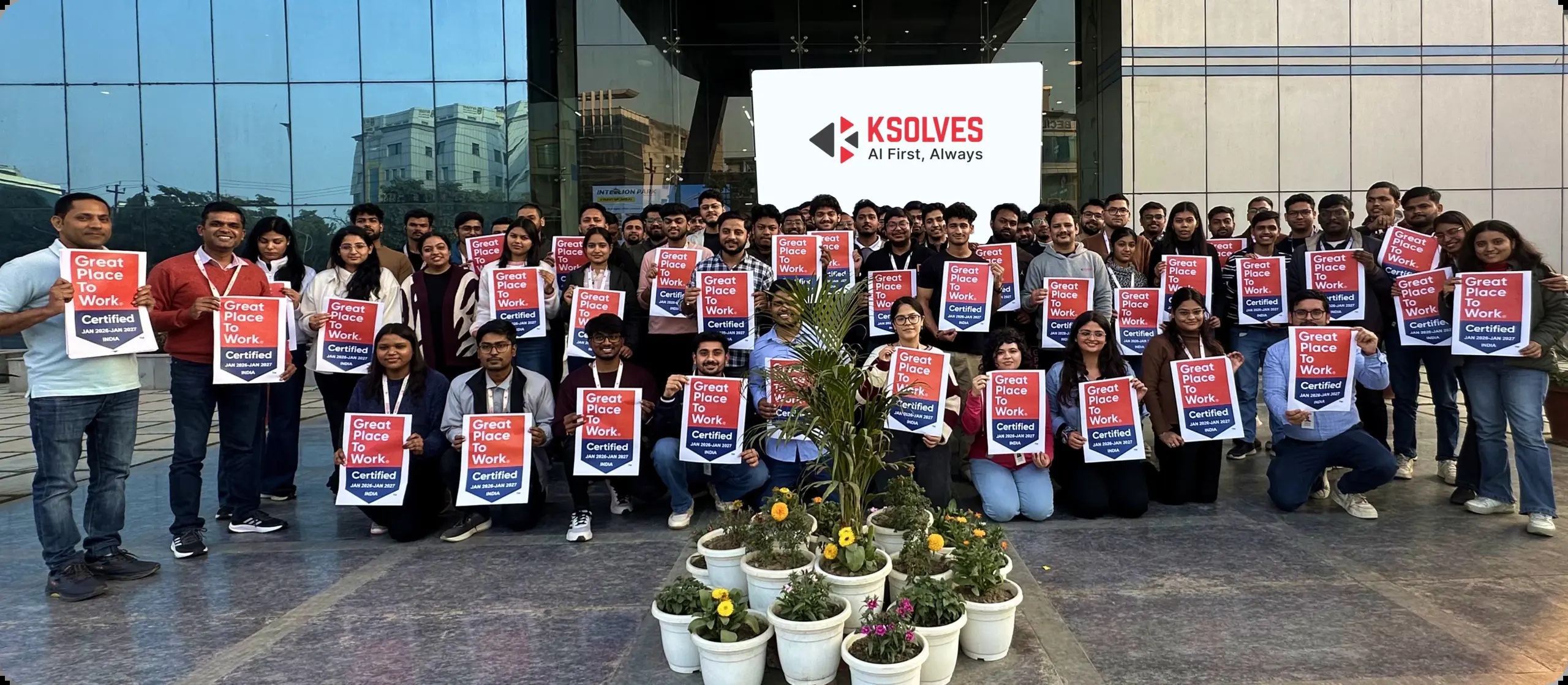
Delivery also depends on the people doing this less visible work. Ksolves’ workplace materials emphasize continuous learning and show teams in Noida, Pune and Indore. The certification signs in its group photograph cover January 2026 to January 2027. An award cannot describe every working day, but the emphasis on learning has a practical connection to the business: platform versions change, integrations age and somebody has to understand the customer’s existing choices.
Growth has a second column
The organization behind these tools is a listed Indian IT company with a global customer base. Its 2020 NSE Emerge flotation raised ₹4.02 crore gross. By the financial year ended March 2026, consolidated revenue from operations reached ₹162.67 crore, up 18.4% from the previous year.
Annual growth does not make every quarter a victory lap. The October 2026 investor update reports second-quarter revenue of ₹37.80 crore, down 4.7% year over year. First-half revenue still grew 2.5%. These numbers belong together: one describes the longer expansion; the other shows the current pace.
Start where the work gets stuck
For a prospective customer, the sensible starting point is a particular obstruction: reporting that takes too long, an ERP workflow that does not match the business, or releases that depend on somebody remembering every step. Ask what will change, how it will be measured and who will maintain it afterward.
It also helps to separate the software purchase from the work around it. A license and a custom implementation answer different needs. A buyer should ask for the supported version, the integration scope, the release process and the continuing support terms. That turns an appealing demonstration into something an operations team can plan around, with responsibilities that survive the sales meeting.
The fit depends on the surrounding system. An Odoo application needs a compatible Odoo installation. A NiFi operations tool earns its place where NiFi deployments are a recurring burden. Custom work needs a budget and an owner. The transferable idea is small enough to copy: solve one recognizable problem well enough that the next conversation becomes easier.