In 2021, more than a hundred startups applied to a new accelerator in Pakistan. Katalyst Labs selected thirteen for its first cohort. The interesting part was what happened after selection: the team kept asking participants what they needed, then adjusted the programme. An accelerator can issue a syllabus and congratulate itself on being organized. This one described a more awkward, and potentially more useful, arrangement: listen, revise, repeat.
- Startup support for founders with traction, revenue and something to scale.
- Women’s leadership development, alongside programmes for women-owned businesses.
- Mentoring, peer learning and investor introductions; the accelerator advertises no joining fee.
That small design choice helps explain Katalyst. Founded by Jehan Ara in May 2021, the Karachi company combines startup acceleration, leadership development and events. Its proposition is that a business can be held back by a missing skill, a missing introduction, or both. The remedy depends on which problem the founder actually has. A room full of impressive people is pleasant. Getting the right person to address a stubborn problem is useful.
The founder brought a network
Ara arrived with experience that a new company could not have manufactured overnight. She had led Pakistan’s software industry association, P@SHA, and founded The Nest I/O, the Karachi incubator launched in 2015 with Google for Entrepreneurs support. Her Katalyst biography credits that earlier incubator with supporting more than 217 startups. Those are The Nest I/O’s numbers, a distinction worth preserving when a founder’s reputation travels with her.
Some former Nest I/O team members joined the new venture. HBL became a strategic partner, signing an agreement on May 24, 2021. The plan had two substantial commitments: help startups scale, and help women entrepreneurs and professionals develop as leaders. Putting them together made access to experience a shared resource. Someone working toward a management role and someone trying to grow a business could both benefit from conversations beyond their usual circle.
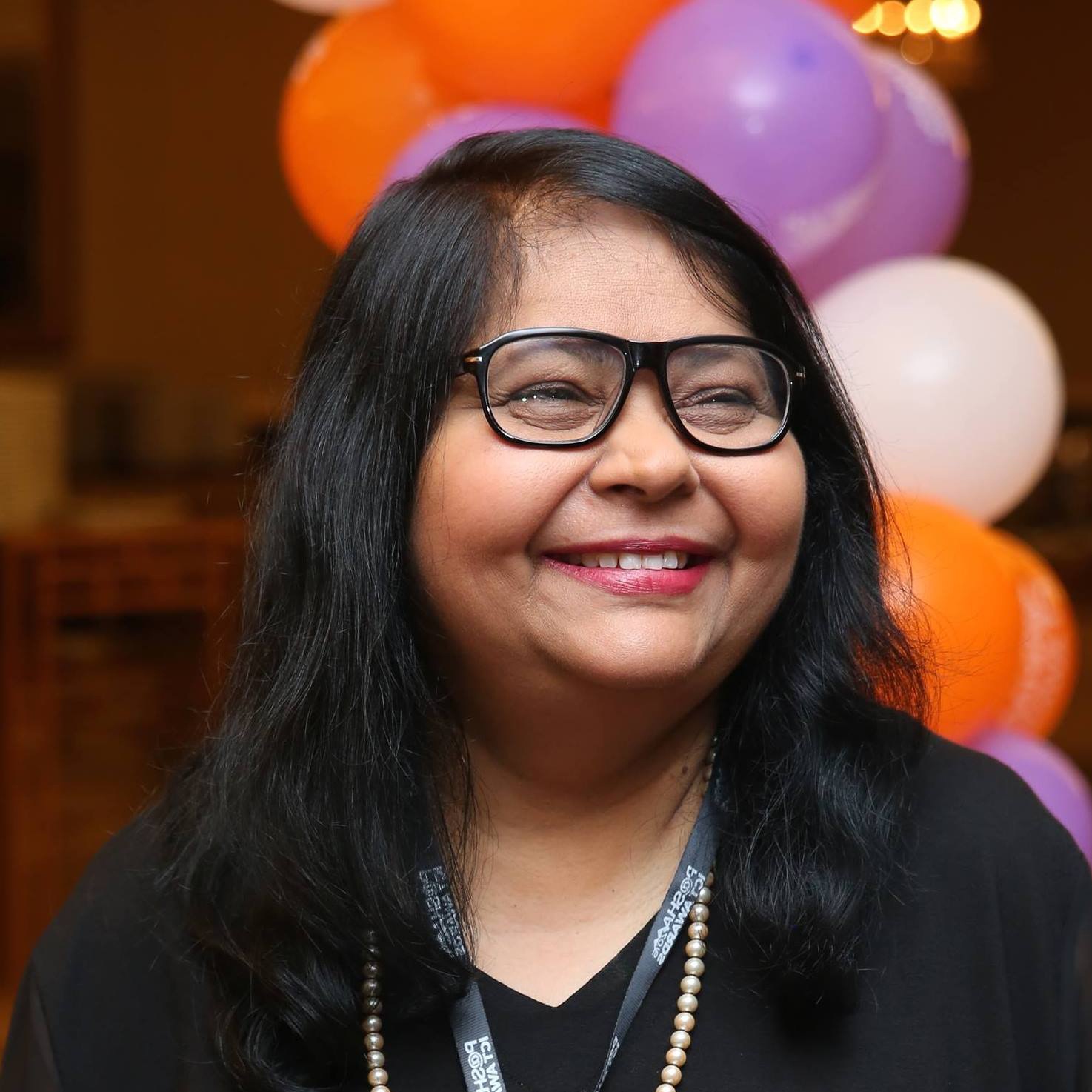
Bring a business, and a problem
The accelerator’s current programme description asks for Pakistan-based founders whose businesses have early traction and revenue. Fintech, agritech, mobile commerce, health technology and education technology feature among its focus areas. It advertises three to six months of support, depending on the cohort. The target is a founder with evidence of demand who needs help growing the operation. An untested idea presents a different set of questions.
Its 2022 programme retrospective gets unusually specific about selection. Founders running several startups simultaneously were a red flag. Self-awareness was a green one. The team wanted to know whether it could help a business reach its next stage. That is a sensible restraint: an accelerator should have an answer to “Why this company?” beyond the founder’s ability to produce an attractive slide.
Mentor matching begins with an analysis of the startup’s gaps. The team described assigning one or two mentors according to industry experience and the areas where founders needed assistance. Feedback comes from both sides. Group sessions cover subjects such as marketing, legal matters and fundraising; individual guidance can concentrate on the problem that refuses to fit into a group lesson.
- 01 Identify the gap
- 02 Match expertise
- 03 Put advice to work
- 04 Ask for feedback
The transferable lesson is diagnosis. Before commissioning another workshop, ask what participants cannot yet do. Then find someone who has done it. Katalyst reported that actionable workshops and candid conversations with experienced founders drew strong feedback. Both give participants something to use after the meeting ends, when the inspirational mood has departed and the spreadsheet remains.
A fellowship, then a wider circle
The first Women Leadership Fellows Programme received more than 150 applications and admitted twenty women. Today its advertised format runs for three to four months, mostly virtually, with some sessions requiring attendance. Its themes include goals, leadership and professional development. Katalyst also offers a customized programme for organizations developing women employees through workshops, mentoring and networking.
She’s Next adds a different route. Visa and HBL supply the competition framework and grants; Katalyst’s programme page describes its work in outreach, applicant selection, competition management and mentoring. The follow-on She’s Next Club extends support through a six-week coaching programme. The distinction matters: winning money and learning to deploy it are separate achievements.
Each of five winners received this grant in the 2026 She’s Next Pakistan edition.
Visa + HBL · February 2026In February 2026, Visa and HBL announced five winners selected from almost 3,500 applicants. They included Chiragh Education Technologies, TrashIt and Goud. A subsequent partner account documented marketing mentoring at Katalyst for the five recipients. Here the support reaches businesses with quite different customers and products. The shared subject is the practical work of running and growing them.
Follow one founder, not a victory parade
Chiragh makes the connections tangible. Its learning platform uses games and video, including Pakistani languages alongside English. It graduated from Katalyst’s second acceleration cohort, then participated in ICESCO’s international A-Hub accelerator, for which Katalyst served as Pakistan’s national lead. In 2022, Chiragh won first place and $10,000 in equity-free funding at the global final.
That is a documented sequence, rather than proof that mentoring alone produced the result. The founder still built the business. Ara’s description in a 2021 interview was admirably economical: “We are just consultants, facilitators and connectors.” A useful accelerator expands the founder’s options. It cannot take over the founder’s responsibility for choosing among them.
“We are just consultants, facilitators and connectors.”Jehan Ara · 2021 interview
The room is part of the product
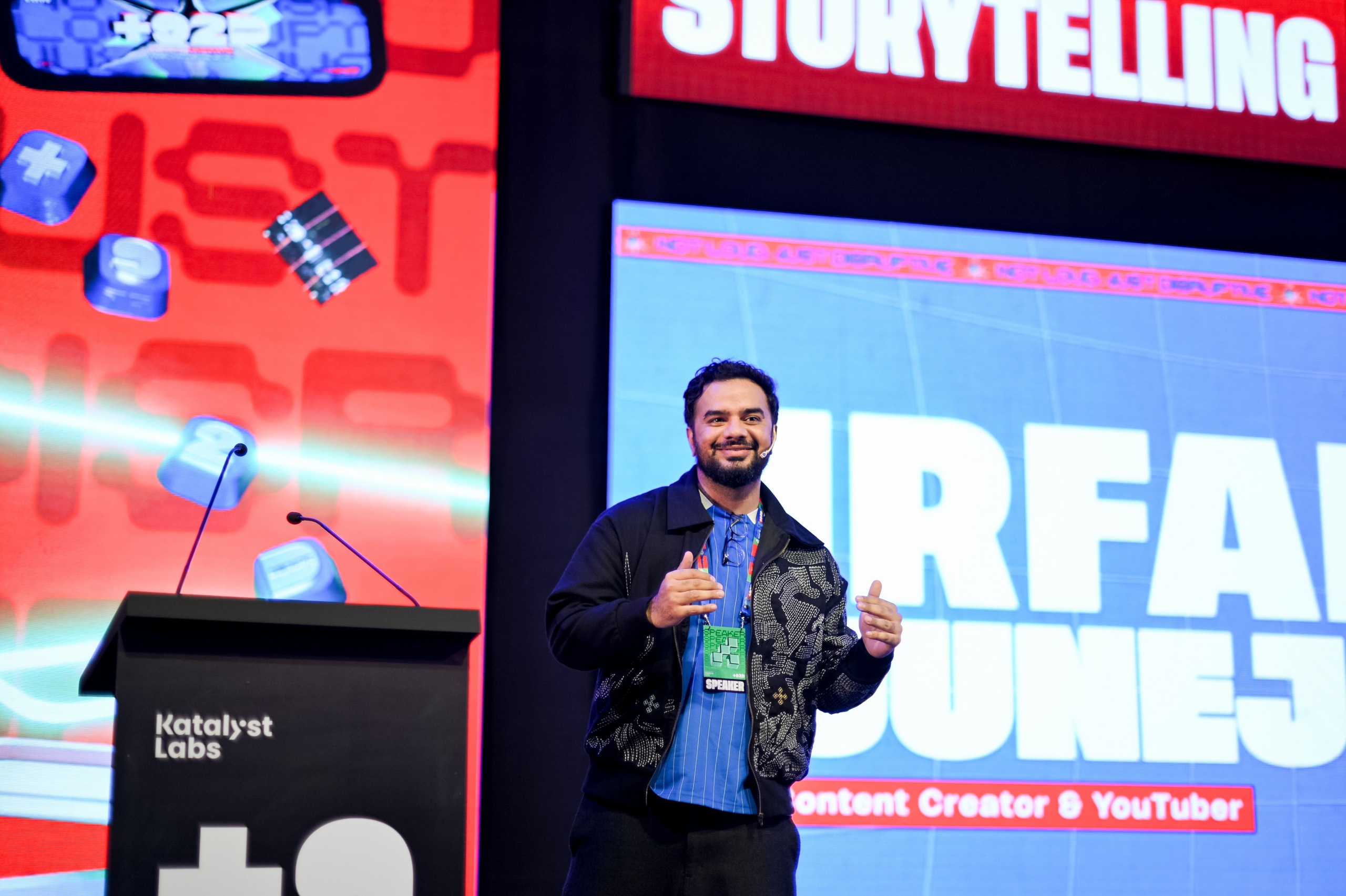
Katalyst’s conferences give those connections somewhere to happen. It organizes +92Disrupt and Karachi Slush’D, the latter adapting Helsinki’s Slush event family for a local audience. The 2025 Slush’D programme combined founder talks, product demonstrations and discussions about angel rounds, education and electric mobility. Investors, students, professionals and founders enter the same conversation from different directions.
Commercially, Katalyst combines partner-supported programmes with events, corporate training and workspace services. Among adjacent options are Invest2Innovate’s programmes and Pakistan’s National Incubation Centres. Katalyst’s distinctive combination is founder support, women’s leadership and convening under Ara’s network. The right choice depends on the applicant’s stage and the help required.
The accelerator advertises no joining fee, but participation still consumes time. A founder needs a business to work on, a clear question and room to act on the advice. If the immediate need is a guaranteed cheque, mentoring is a poor substitute. If the obstacle is knowing whom to ask, or how to prepare for that conversation, Katalyst offers a practical place to begin.