Six blocks can look perfectly reasonable on a map. In stilettos, they invite a second opinion. In 2007, while arranging Capitol File’s party after the White House Correspondents’ Association dinner, Jayne Sandman gave the route to the Colombian embassy her own footwear test. She arranged a fleet of Volvos to carry guests from the Hilton. The cars were white and silver, a practical distinction in a Washington evening crowded with black town cars. A guest could find the party without first developing a grievance.
The detail is a useful introduction to Sandman, now co-founder and co-CEO of The Brand Guild. Her business involves stories, attention and the difficult matter of persuading people to care. But that evening’s decision concerned the distance between an attractive invitation and a comfortable arrival. An experience begins before anyone reaches the ballroom. Shoes have a way of making the point.
She also consulted Colombian ambassador Carolina Barco about the party’s character, drawing on photographs of street festivals rather than treating a country as a convenient decorative theme. The assignment involved understanding both the people coming through the door and the people whose door it was. Those are different obligations. A successful evening had to accommodate both.
The magazine was only part of the job
A Boston-area native, Sandman graduated from American University before entering Washington’s publishing business. At Washington Life, she took a newly created marketing director position. That is a particular sort of beginning: joining an institution while helping define a job that has not previously existed. There is less inherited procedure to lean on, and rather more opportunity to discover what needs doing.
Her magazine career also included a senior editor role at The Magazine Group and work at Capitol File, where she became associate publisher and handled marketing and events. Publishing offered several views of the same transaction. Editors needed an interesting story. Advertisers needed an audience. Events needed people to leave their houses, arrive somewhere and feel that the decision had been worthwhile.
At Capitol File, she helped grow the annual correspondents’ dinner after-party. These were gatherings where a room’s contents could be reported almost as closely as its program. In 2009, she explained that the people in attendance supplied the evening’s essential decoration. A florist might reasonably request a right of reply. The point, though, was about the purpose of bringing people together.
“The most important decor for the White House Correspondents’ dinner after-party is who’s in the room.”
Jayne Sandman · 2009
A partnership tried on for size
Another gathering introduced the collaboration that would shape her working life. Sandman and Barbara Martin were among the founders of the District Sample Sale, which began in fall 2006. Mary Amons, Shannon Haley and Liberty Jones were fellow founders. The project brought boutique shopping and charitable fundraising together, putting a familiar social appetite to a useful purpose.
The sale could be delightfully concrete about its benefits. At its spring 2011 edition, proceeds supported E.L. Haynes Public Charter School, with every $500 providing a student laptop. Dresses, shoes and accessories supplied the attraction; a school received the support. An event needed enough appeal to get people through the door before it could do anyone any good.
Working on the sale let Sandman and Martin observe each other under practical conditions. They had not known one another beforehand. Their temperaments supplied complementary pressures: Sandman inclined toward yes and the next possibility; Martin toward boundaries and the immediate task. What began as a shared charitable assignment became evidence that they could work together. In 2010, they founded the agency now called The Brand Guild.
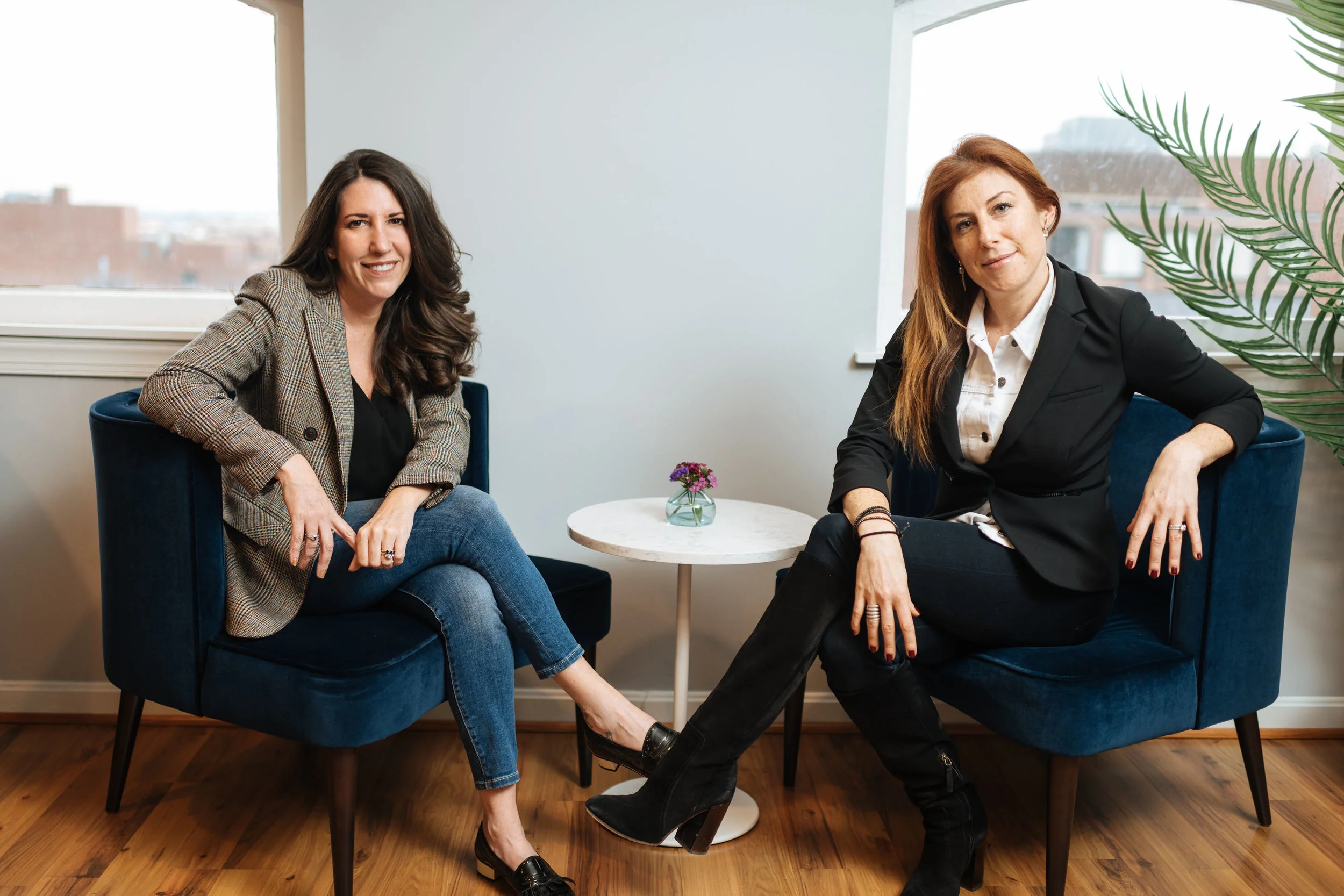
The structure they built combined specialists in public relations, marketing, creative and events. Different kinds of work could sit inside one business without pretending that they required identical skills. For Sandman, who had moved among editorial work, promotion and live production, the arrangement gave a company form to the variety already present in her career.
The title stays. The work moves.
In December 2018, BrandLinkDC announced its new name: The Brand Guild. The change accompanied an expanded offering and a business whose reach had grown beyond its original geographical label. The word “guild” made room for a collection of crafts. The agency’s New York presence also began in 2018, adding another city to the founders’ responsibilities.
Company growth can sound tidy when expressed as a sequence of announcements. Sandman’s account of the work is less ceremonial. Reflecting on the agency’s fourteenth anniversary in January 2024, she described beginning with execution and the necessary chores of accounting, HR and operations. As the team grew, the assignment shifted toward hiring and training, then culture, capabilities and strategy. The title on the door had concealed a succession of jobs.
Her test for each stage was a question: “What does the company need most from me this year?” It allows for the possibility that the answer has changed. A founder who was once needed everywhere may eventually need to make space for other people’s judgment. Being useful can require surrendering work at which one has become rather good.
The client mix widened too. By 2023, the agency was expanding its New Economy practice after bringing in SoFi. That work placed fintech and venture firms alongside the consumer and hospitality brands associated with its earlier identity. Each new category brought a different audience and a fresh requirement to understand what that audience would find useful.
An office with room for the work
In November 2023, Sandman celebrated the agency’s new Flatiron office in New York. The occasion drew colleagues, clients and people who had been involved from the early years. An office opening is an unusually revealing kind of company party: the guests help explain how the business arrived at the point of needing the keys.
Washington was getting more room as well. The agency took over a former Wing coworking space in Georgetown, overlooking the C&O Canal. The lease included furnishings, a library, a catering kitchen and an events area with stadium seating. Sandman spoke about the opportunity to give colleagues more room to collaborate and clients new possibilities for events. The physical setting could participate in the work.
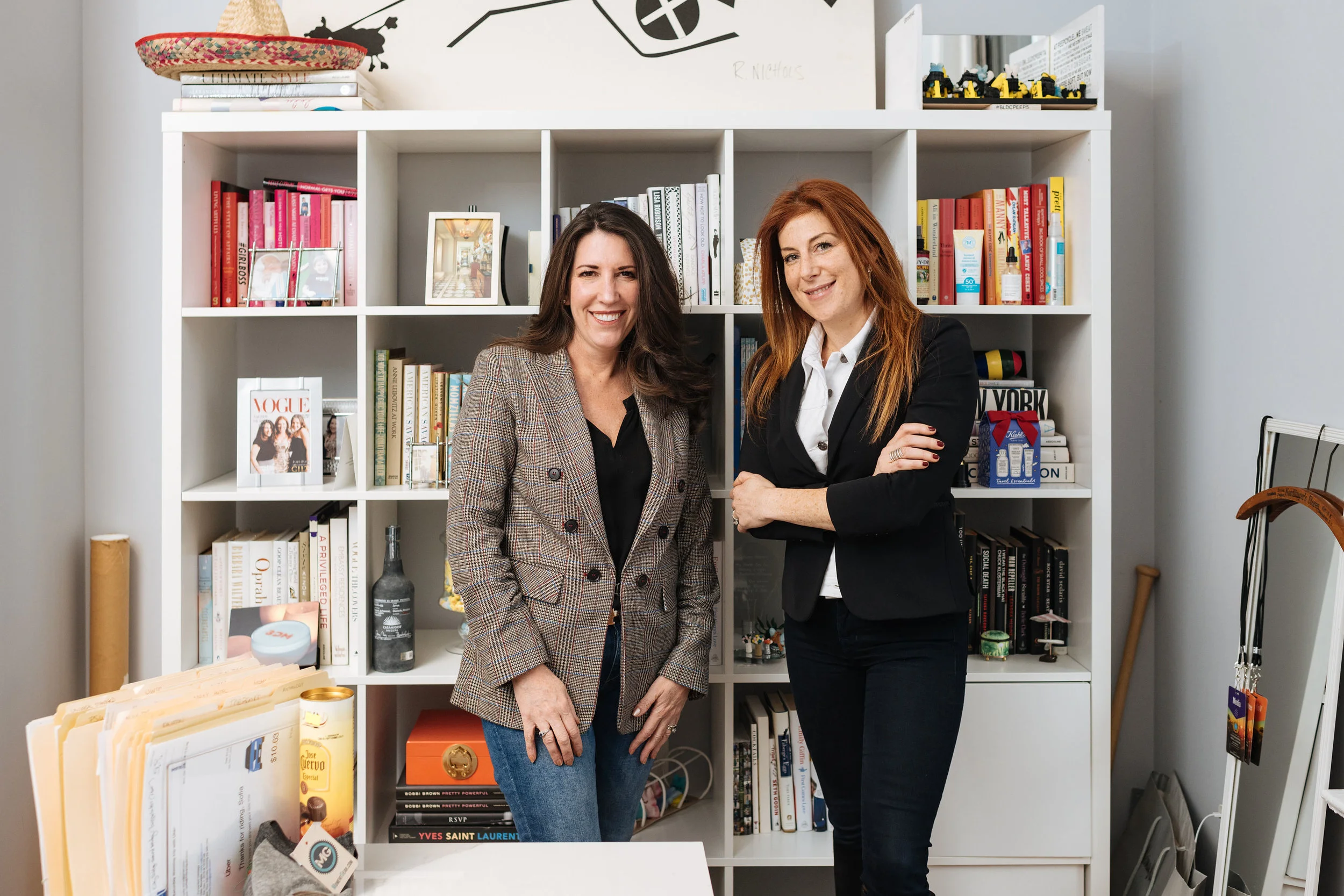
About fifty Washington employees moved into the 10,600-square-foot space in 2024. A company profile that year recorded sixty employees across the two cities and $8.4 million in 2023 revenue. Those figures belong to that moment in the company’s history. They mark the distance between two founders starting an agency and an organization requiring considerably more coordination than a shared calendar.
From a campfire to a founder conversation
Sandman’s own public examples keep returning to gatherings. In May 2025, she wrote about heading to Bozeman for Montana Festival, which The Brand Guild was producing. She described the appeal of bringing leaders and people with ideas into a setting where relationships could develop. The backdrop had changed substantially from a Washington embassy. Her interest in what happens between the attendees remained recognizable.
She put the same idea into a different setting that month when the agency hosted a conversation between Uncle Nearest founder Fawn Weaver and CNN’s Abby Phillip. Sandman described a room drawn from media, culture and commerce, and connected the event to the agency’s years of work with Weaver’s company. A founder’s history could become the occasion for people from different professional worlds to meet.
“I believe storytelling is brand building,” she wrote. The statement helps explain why the guest list, the conversation and the longer client relationship belong together in her account. A story has somewhere to go when people can ask about it, discuss it and carry it into their own circles. The room supplies a social life for the message.
The agency’s newer work also connects attention to transactions. In 2025, it introduced an affiliate marketing program pairing earned media with trackable revenue for clients including Jeni’s Splendid Ice Creams and Floura. Its Sweetgreen Ripple Fries launch used a media preview, tastings and personalized take-home gifts. The practical questions extended from getting people interested to understanding what that interest produced.
The next assignment is already different
In March 2026, Sandman and Martin were named to Inc.’s Female Founders 500. Sandman’s recognition highlighted portfolio growth, including OpenTable and Spindrift, and her leadership of the Greater Washington Talent Capital brand initiative. Her professional work had come to include telling a region’s story alongside the stories of individual companies.
By autumn, the agency’s assignments included Graza and Museum of Ice Cream, as well as an expanded relationship covering MGP Ingredients’ branded spirits portfolio and corporate communications. Some relationships had lasted much longer: Room & Board remained a client sixteen years into the agency’s life, while its first employee continued to lead the events practice. Growth had involved keeping people as well as adding names.
Sandman’s public response to the Inc. recognition dwelt on the less polished parts of entrepreneurship: adapting, continuing and doing the work behind the announcement. It fits a career in which a glamorous evening could depend on the color of the shuttle cars. There is pleasure in making something look effortless. There is also a substantial amount of effort.
The stiletto test still offers a useful way to understand her. Before the guest arrives, someone has to walk the route. Before a partnership works, someone has to do an assignment together. Before a company can take on its next opportunity, its founders have to decide what it needs from them now. Sandman has spent a career moving between the invitation and the arrangements that make it worth accepting.