Brandi Dunn had a request that marketing agencies do not usually put in their sales forecasts: less advertising, please. In the account published by Indio, inquiries for Dunn Right RV Park were arriving faster than the business could properly handle them. The advertising was doing its job. The next part of the business was struggling to keep up.
Before the park’s March 2022 opening, Dunn worked with Big Rig Xpress, a Big Rig Media offering, on a website and geographically targeted pay-per-click campaigns. The case study reports full occupancy and a waitlist. Treat those as a customer story published by the supplier, rather than a forecast for the next park that signs up.
“we couldn’t handle the inquiry traffic properly.”
Brandi Dunn · owner, Dunn Right RV Park
The revealing detail is the request to slow things down. It points to an awkward boundary in marketing: an agency can deliver demand faster than an operator can turn it into a satisfactory customer experience. Indio’s combination of marketing services and operating software makes sense at that boundary.
The click has to land somewhere
Indio by Big Rig Media sells websites, digital marketing, and reservation management. An RV park can use it to attract visitors, take bookings, collect payments, and manage the stay. A manufactured housing operator can use its website and listing tools to present available homes and organize inquiries. A private aviation company can buy a website and campaigns designed to generate charter leads.
These are different businesses with different transactions. A campsite reservation and an aircraft inquiry do not need identical software. What they share is a sequence: somebody discovers the business, evaluates it, makes contact, and needs a response. Indio’s pitch is that those steps work better when their systems and the people managing them are coordinated.
- 01AttractSearch, ads, content
- 02ConvertWebsite, CRM, booking
- 03DeliverStay, billing, return visit
Each step gives the next one work to do.
The private aviation case makes the distinction concrete. For Dynamic Jet Charter, Indio describes a program of custom web development, targeted advertising, email campaigns, and creative support. The work centers on qualified inquiries and brand presentation. The campground software is a separate, industry-specific part of the offering.
A website that grew a front desk
The reservation products reveal how far the company has moved beyond designing pages. Its property management system includes utility billing, maintenance tasks, staff roles, and point-of-sale purchases attached to guest accounts. A park can remove a site from available inventory while it needs repairs. An operator with several properties can use a multi-park dashboard.
The help-center instructions for finding a site hold are wonderfully ordinary. They explain how staff navigate the Front Desk, open Reservations, and use a list view to locate the relevant hold. A site might be reserved for maintenance, housekeeping, a group, or an event. This is the territory where an attractive website becomes an actual operating system: exceptions, unavailable inventory, and somebody at a desk trying to find the right record.
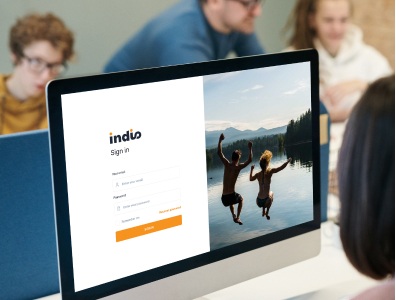
On the guest side, Indio advertises booking directly within the park’s website, an interactive map, optional campsite locking, and recurring payments. A self-service portal lets guests handle bills, billing details, and cancellations. Those are specific ways to move routine work away from the telephone. Whether they remove a particular operator’s bottleneck depends on which tasks consume that operator’s day.
Payments extend the connection to reconciliation. Indio Payments supports cards, ACH, and physical or virtual terminals, with transaction, deposit, and payout reporting. The product’s value lies partly in keeping the reservation and its financial record close together. A successful campaign eventually has to become a correctly recorded payment.
$99 gets you through the door
Website as a Service. The wider engagement is scoped separately.
Indio’s Website as a Service starts at an advertised $99 a month. The page describes a WordPress-based website, a dedicated manager, hosting, responsive design, and tools for collecting leads. It also presents routes to add booking, listings, and multi-location functionality. That starting price is an entry point into the website offer, not a budget for a complete marketing department and reservation platform.
The commercial logic is ongoing service. Websites need changes; campaigns need attention; software needs support. Indio sells subscriptions and managed work alongside custom projects. Its managed hosting offer includes daily offsite backups, monitoring, and theme, plugin, and security updates. Customers are buying someone to take responsibility for recurring chores as well as the initial build.
A useful buying exercise is to request one worked example: a guest finds an ad, reserves a particular site, changes the booking, pays, and returns next season. Ask which parts of that journey are included in the proposed scope. The same exercise works for a homebuyer inquiry. It turns a broad platform pitch into a set of observable tasks.
The software underneath has names
Indio is unusually explicit about its two CRM paths. Indio CRM uses a white-label GoHighLevel platform. The other path is HubSpot, which Indio implements and optimizes as a certified partner. Both are presented with configuration, training, workflows, and ongoing help.
That matters when placing the company in the market. Its offer combines software with the work of making software useful. An alternative is to hire a web agency, choose a CRM, and assemble a separate campground management system. Indio competes for the responsibility of joining those pieces up. For an operator with an established internal team and well-integrated systems, that responsibility may already have an owner.
Its modules follow the same practical logic. SmartListing Pro synchronizes housing listings across platforms including MHVillage, Rent Manager, and MyState MLS. MultiSite Pro organizes location-specific content. SmartDocs Pro collects forms and guest information. These are products built around repeated administrative jobs, which can become surprisingly expensive in staff time when a portfolio expands.
Consider Legacy Communities, described in Indio’s case study as operating more than 70 communities. The documented work includes a website rebuild, listing synchronization, and materials such as maps, signage, and logos. The problem at that scale is consistency: keeping property information accurate and the business recognizable wherever a prospective resident encounters it. The case study reports improvements, but its most useful evidence is the specificity of the work.
The agency paid its way toward software

Jeff Beyer’s early experiment was a website for an entertainment company in 1997. In a 2020 interview, he recalled orders arriving within 24 hours. He self-funded Big Rig Media while working at a record label, leaving when the business could support him.
By that interview, software for outdoor hospitality was an explicit plan. Beyer described using SBA financing arranged through SmartBiz and escaping the pressure of daily repayments on earlier borrowing. He intended to put money into technology. The shift joined a familiar customer market to a new kind of product.
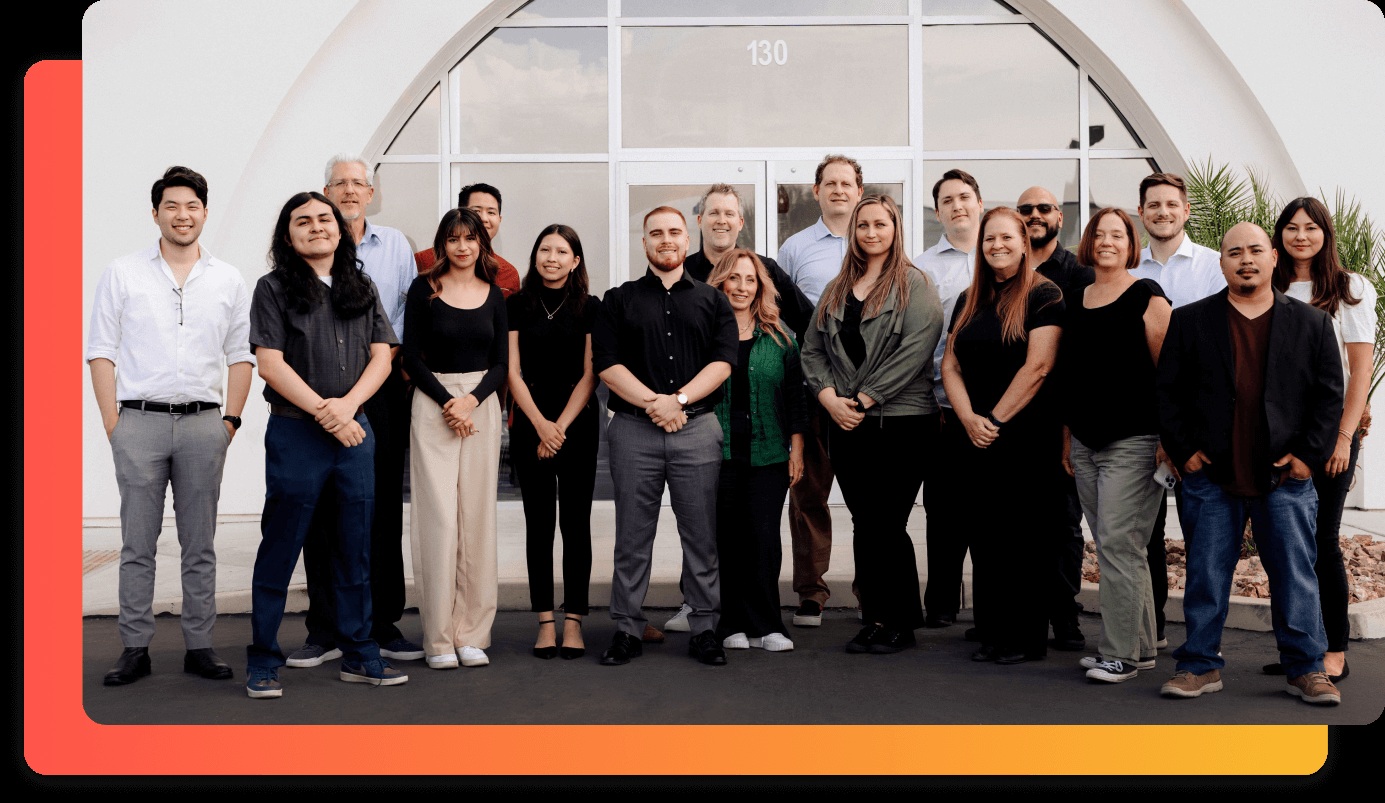
The present team page reflects that combination. Creative director Amy Camero came from print design and joined in 2008. CIO Nic Barthelemy’s biography includes Microsoft, a web collaboration startup, and later corporate technology roles. The careers page advertises flexible schedules, health benefits, and profit sharing. The company still needs people who can design a sign, configure a system, and help a customer use it.
Count the replies, too
The practical lesson from Dunn Right is to watch what happens after an inquiry arrives. A campaign can be productive while the response process is overloaded. Adding more demand to that situation simply gives the unfinished work a larger audience.
Readers can borrow the diagnostic without buying Indio: map the handoffs, name the person responsible for each one, and measure where prospective customers wait. Then choose tools that address that point. A booking engine helps with bookable inventory; a CRM helps organize follow-up. Neither substitutes for accurate information or staff who act on it.
Indio’s distinctive bet is that the website builder should stay involved after the website has worked. Dunn’s request for less advertising is a useful reminder of what success can look like from the other end of the phone.
Follow the work
Explore Indio · Request a demo · Company blog · Product help center