At PBF Energy, the problem described by ImpactQA was fragmentation. Testing depended on manual work. Quality processes were scattered across SAP and the energy trading systems connected to it. For a petroleum refiner, those connections matter: a transaction has to survive its journey through several applications, each with its own rules. A correct screen is only one stop along the way.
- Independent testing teams for software, enterprise platforms and trading systems.
- FALCON executes tests; NeX-AI generates them for specialized business applications.
- The useful lesson: agree on the business result before accelerating the checks.
ImpactQA’s response, according to its account of the engagement, began with a “4D QA Advisory Assessment.” It mapped gaps and produced a common quality engineering strategy aligned with SAP S/4HANA work. Governance, risk visibility, automation planning, performance and security belonged in the same conversation. The intervention was organizational before it was computational.
The trouble between the systems
This is a useful entrance to ImpactQA’s business. The company supplies software testing and quality engineering: functional checks, automated regression, performance engineering, security assessments and accessibility work. It also works on SAP, Oracle and commodity trading platforms. Customers can buy specialist help, a dedicated team or an ongoing managed testing engagement.
The customer list explains the range. Its public material includes PBF Energy, Learning A-Z, Sakon, PowerSchool, Panasonic and DTDC. An education platform and a refiner have different definitions of a bad day. Both need someone to translate business expectations into checks that can be repeated when the software changes.
- 01CaptureEnter the trade
- 02ConnectCheck the handoffs
- 03SettleConfirm the result
A passing screen is one checkpoint. The business process is the journey.
The tester who had been the customer

Founder and CEO Jyoti Prasad Bhatt, usually called JP, brought experience from the receiving end of outsourced services. ImpactQA’s account of its origins emphasizes that perspective. His biography adds an unexpected detour: the mechanical engineering graduate had run an SAT training company in Scottsdale before founding the testing business.
The company’s operating language includes “Outcome over Output.” That is an easy phrase to print and a demanding one to honor. Counting executed tests says little unless those tests cover the behavior a customer depends on. The buyer wants a reason to trust a release decision, with evidence attached.
ImpactQA describes open collaboration and continuous feedback. Its careers page gets more concrete: meals, shuttle transport, daycare, flexible hours and table tennis. These are employer promises rather than a workplace audit, but the specificity is welcome. Even people investigating software failures apparently need a decent lunch.
Two tools, two different jobs
The consultancy also builds products. FALCON began in 2023 as a low-code automation platform. A September 2026 explainer describes its evolution toward tests expressed in plain English, with Claude acting as the execution agent. Its current product page marks web and Android mobile capabilities as live and advertises self-healing and confidence scoring to help expose unreliable tests.
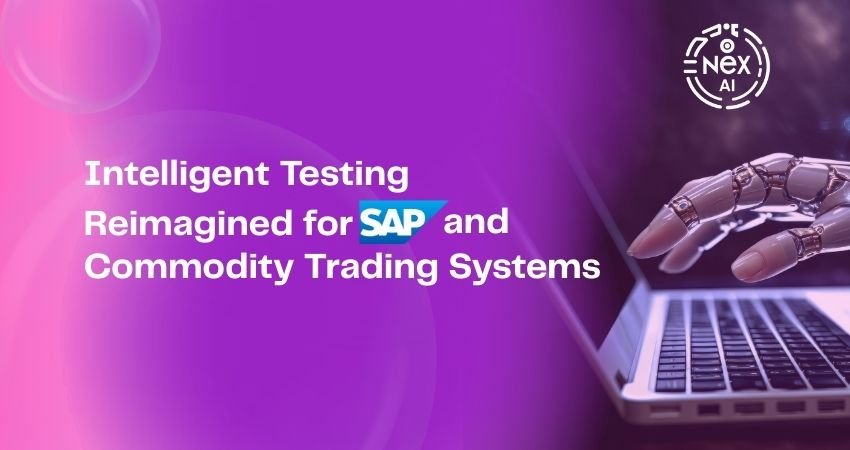
NeX-AI addresses another task: generating structured test cases for SAP and commodity trading platforms, including Endur, Allegro and RightAngle. ImpactQA showcased it at Gastech in 2024. The product describes positive, negative, edge and integration cases, plus expected results and trace evidence. Its integrations include tools such as Jira and Jenkins.
The distinction matters. Creating a test and running it are separate jobs. A generated scenario still needs a correct expected result. An execution agent still needs an environment in which that result means something. The attractive part of these tools is the repetitive work they might remove; the buyer’s responsibility is defining what remains worth checking.
A percentage needs a denominator
Consider ImpactQA’s account of a two-year Oracle engagement with a global conveyor manufacturer. It reports 60% faster automation script development and 90% accuracy in test logic and data validation. The scope of that first number is important. It measures script development, one activity inside a larger engineering effort.
Faster automation script development
Oracle manufacturer case · two-year engagementThis measures a task, not total release time.
Those figures give a prospective customer something specific to interrogate. Which scripts? Against what starting point? How much review and maintenance followed? Keeping the denominator visible prevents a useful engineering result from turning into a promise about every project. The same discipline should govern any automation proposal.
The price of knowing what changed
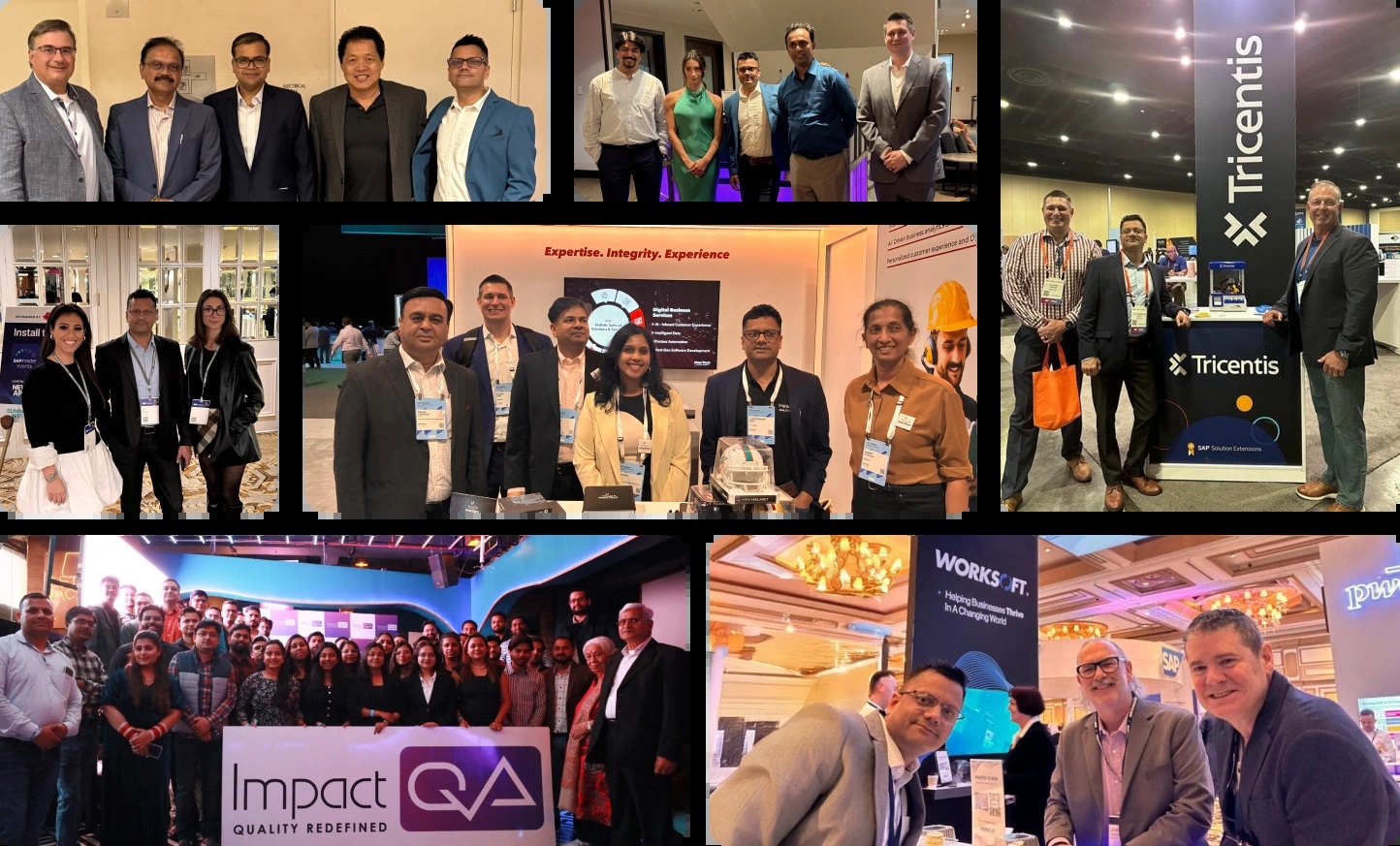
ImpactQA earns its place in a crowded market through people, platform knowledge and delivery capacity. It offers onsite, offshore, nearshore and hybrid arrangements. Alongside its own products, its partner roster includes Tricentis, OpenText, Panaya and Opkey. In April 2026, it announced Tricentis Solutions Partner status.
A buyer is therefore choosing more than a tool. The alternatives include an internal QA team, another independent testing specialist or a systems integrator’s testing practice. ImpactQA’s enterprise and commodity expertise gives it a focused argument when the application has complicated dependencies. A small team with a simple product may need a much narrower engagement.
Clutch lists an indicative $25-$49 hourly band and a $10,000 minimum project. These are directory figures, not a quotation. The meaningful comparison includes staffing, environments, licenses and ongoing test maintenance. An inexpensive hour buys little if the team spends it validating behavior that the business never needed.
Start with the invoice
The practical lesson is portable. Pick one important transaction. Write down the final business result, follow it through every connected system and agree on the evidence that proves it worked. Then decide which checks deserve automation. This is an editorial takeaway from the work, rather than a claim that one method fits every application.
Automation becomes less useful when requirements are unsettled, test data misrepresents production or nobody owns the expected result. Those are sensible conditions to resolve before expanding a suite. ImpactQA’s PBF account makes the sequence memorable: the team first needed a common quality strategy. Only then could faster testing answer a shared question.
A correct screen is only one stop along the way.THE ENTERPRISE TESTING PROBLEM