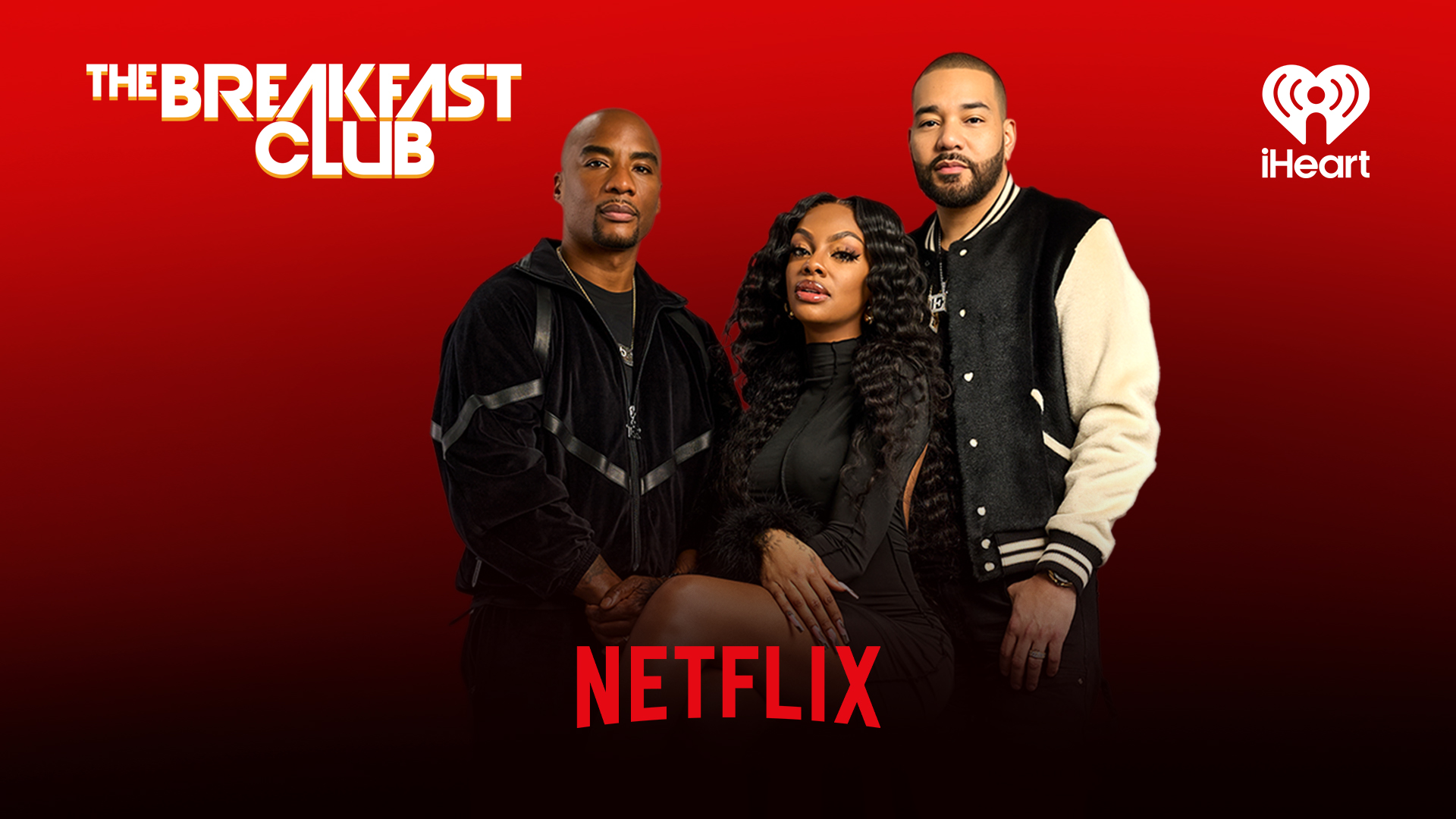
On June 1, 2026, a radio morning show acquired a rather different place to spend the morning: Netflix. The Breakfast Club, with Charlamagne tha God, DJ Envy and Jess Hilarious, began streaming live there each weekday. The microphones were familiar. The destination was the surprise. A company associated with car dashboards had found another screen for a habit it already knew how to build.
- Radio supplies an audience that can introduce new shows.
- Podcasts and video give those voices more places to earn.
- Growth still has to carry the costs of a sprawling business.
That is a useful entry into iHeartMedia. It operates local stations, syndicates personalities, publishes podcasts, stages concerts and sells advertising across them. The interesting question is whether relationships formed in one medium can keep their value in another. Netflix’s agreement puts that question somewhere you can watch it.
The $125,000 beginning
The business began in San Antonio in 1972, when Lowry Mays and Red McCombs acquired KEEZ-FM for $125,000. It became Clear Channel, went public in 1984 and accumulated stations. After ownership rules loosened in 1996, acquisitions accelerated. Scale meant more places to sell advertising and more outlets through which programming could travel. The company eventually took the iHeartMedia name in 2014.
But reach and financial safety are different measurements. The private equity buyout completed in 2008 left the business heavily indebted. In March 2018, iHeart entered Chapter 11. Its financing structure had become unsustainable while its stations were still broadcasting. When restructuring concluded in May 2019, debt fell from $16.1 billion to $5.75 billion, and Clear Channel Outdoor became a separate company.
About $10.4 billion of debt had gone. That reset explains why any account of iHeart’s reinvention needs a balance sheet beside the microphones. Having listeners did not spare it a financial reckoning.
A podcast bet, made in bankruptcy
During those proceedings came an acquisition. In September 2018, iHeart announced an agreement to buy Stuff Media, home to HowStuffWorks podcasts including Stuff You Should Know. The reported price was $55 million. It brought a catalogue, experienced producers and Conal Byrne, who would lead iHeart’s podcast division. The buyer was purchasing a working creative operation.
The distribution logic was straightforward. A podcast can be excellent and remain undiscovered. A broadcaster can introduce it to people already listening. iHeart called its initiative “Podcast, Meet Broadcast.” Stuff Media brought shows and production knowledge; iHeart supplied promotion through stations, digital services and social channels. The announcement said the acquired shows would retain their branding and their Atlanta base.
“Give everyone in America a friend who is there anytime, anywhere.”
iHeartMedia’s stated mission
That mission sounds unusually intimate for an advertising business. It also explains the product. A familiar host gives a listener a reason to return. The company’s podcast roster now extends from explainers to comedy and sports, with partner networks including Black Effect and My Cultura. Its audio shows travel to major podcast platforms, giving the business ways to find listeners beyond its own app.
Make the microphone easier to buy
There are two customers to understand. Listeners want music, information, conversation and company. Advertisers want access to those listeners. A local business can buy a market; a national brand can buy across stations and shows. Podcasts offer interests and personalities. Events such as Jingle Ball and the iHeartRadio Music Festival add sponsorships and encounters with fans.
For listeners, iHeartRadio puts live stations, artist radio and podcasts together. The company reports more than 188 million registered users. Registration is cumulative, however, and should never be mistaken for the number listening this month. The practical appeal is simpler: a listener can carry a station beyond the range of its transmitter.
For buyers, the work increasingly involves software. In November 2025, Amazon Ads and iHeart expanded their partnership, making streaming inventory available through Amazon DSP. Podcast and broadcast access were announced to follow in 2026. The proposition was less friction: put audio inside a buying system advertisers already use. Audience scale becomes more useful when purchasing it fits an existing workflow.
Choosing a format starts with the job. A retailer seeking local awareness might begin with a station campaign. A brand explaining a complicated purchase might consider a podcast host. A sponsor seeking a shared occasion might choose an event. The medium changes the encounter, even when the sales organisation stays the same.
Two speeds, one balance sheet
The results resist an easy victory story. Full-year 2025 revenue was $3.865 billion, roughly flat, while podcast revenue grew 26%. In the second quarter of 2026, podcast revenue reached $162.1 million, up 20.7%. Digital Audio Group revenue rose 12.4%; the Multiplatform Group, which houses broadcast, networks and events, fell 1.6%.
Year over year. Podcasts sit inside Digital Audio; these rows are not additive.
Digital growth was real. So was pressure elsewhere. Spotify, SiriusXM, Audacy and YouTube compete for different combinations of listening time, advertising and talent. iHeart’s distinguishing asset is the combination of broadcast promotion, personalities, production and sales. Its challenge is making that combination earn enough as advertisers and audiences change their habits.
There is an organisational question here, too. Broadcasting runs on schedules; building another product requires experiments. Among iHeart’s published values is “Listen to & Consider Dissent.” That is a stated expectation rather than proof of workplace experience. Still, it fits the task: a company spanning local programming and digital distribution needs people who can question how the next audience will arrive.
Follow the voice
The partnerships make the next experiment visible. TikTok Radio launched in March 2026, and the companies built a podcast network around creators. On October 21, they announced three more shows spanning internet culture, sports and fashion, with GEICO identified as the network’s exclusive launch partner. TikTok supplies discovery; iHeart supplies production, publishing and monetization.
The lesson a smaller business can borrow is specific: use an audience you already reach to introduce an adjacent product, and bring in the skills the new format requires. It depends on people following, advertisers paying and costs staying supportable. In October, Pittman told Axios he would not spend beyond what he believed a podcast could earn. Even a familiar voice needs the arithmetic to work.