A model home invites you to look up: at the ceilings, the cabinets, the light coming through the windows. To understand Green Brick Partners, look down. Before anyone chooses a countertop, somebody must buy the ground, win permission to build and put infrastructure beneath the street. That is where this company has placed its bet.
- The product: new homes sold through seven local builder brands.
- The wager: owning and developing land creates control over tomorrow’s supply.
- The catch: cash goes out long before a buyer gets the keys.
Green Brick is a homebuilder and land developer operating in Texas, Georgia and Florida. Its customers include first-time buyers, households moving up and people shopping for luxury homes. The intriguing part is how it connects them: different names above the sales offices, with a common source of land and capital behind them.
01 / The opportunity banks left behind
In 2008, the housing market had collapsed. Banks were reluctant to finance land and construction, especially for distressed builders. Jim Brickman, a real estate operator, and David Einhorn, founder of Greenlight Capital, started JBGL, Green Brick’s predecessor. They bought land, lots and loans, and provided money to builders whose experience had outlasted their financing.
The distinction matters. The founders were dealing with a broken financing system as well as a broken housing market. A builder could know how to deliver a neighborhood and still lack the money to finish it. JBGL supplied capital and took controlling interests in experienced operators. By 2013, the housing recovery had left it with land and profitable builders.
Growth introduced another problem: those businesses needed permanent capital. In October 2014, a $275 million transaction brought JBGL into the public company that became Green Brick Partners. About $191.8 million of the purchase price was cash; the balance was stock. Brickman became CEO, Einhorn chairman. Even the name records the partnership: Greenlight supplied the “Green”; Brickman supplied the “Brick.”

Jim Brickman. His surname made the sign; his real estate experience helped shape the business.
02 / Seven front doors
It would have been possible to flatten the builders into one national identity. Green Brick retained distinct brands. CB JENI builds Dallas-Fort Worth townhomes. Southgate serves luxury single-family buyers. Normandy and Centre Living add other single-family and townhome choices. The Providence Group operates around Atlanta; GHO Homes serves Florida’s Treasure Coast.
Trophy Signature Homes emphasizes modern architecture, energy efficiency and features included in the price. Its website advertises homes starting in the mid-$200,000s, although availability and prices vary. That offers buyers a concrete starting point: choose the brand and community that match the household’s budget, location and preferred type of home, then compare available plans and arrange a tour.
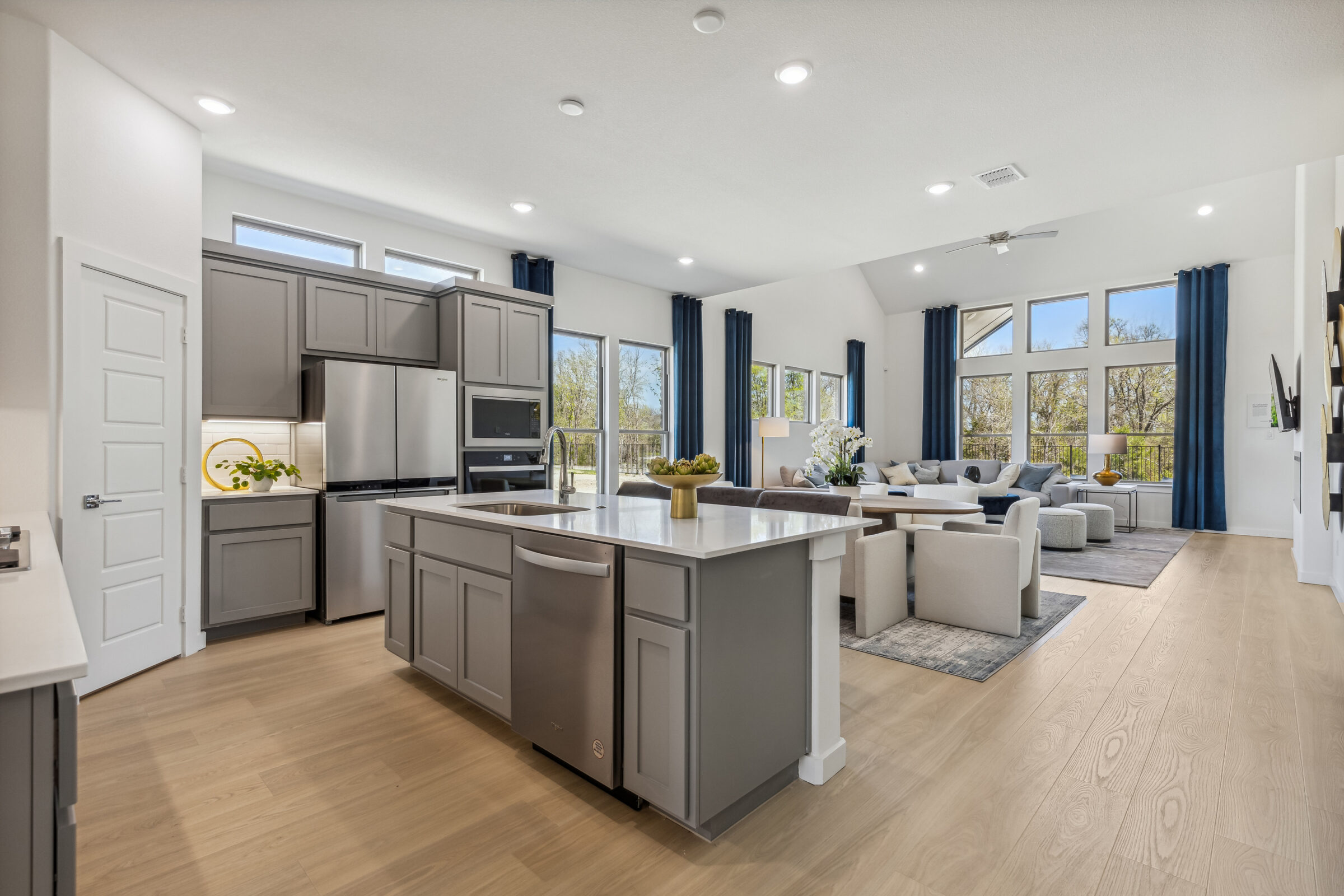
For Green Brick, the brands divide the market into manageable pieces. A townhome shopper and a luxury buyer need different products. Local teams also bring knowledge of zoning, approvals and neighborhood preferences. The parent supplies capital and operational support. Its stated philosophy is decentralized homebuilding grounded in local expertise.
03 / Patience has a price tag
The business earns most of its revenue by selling completed homes. Developing its own land adds another layer of work before construction starts, but gives Green Brick influence over the supply and cost of finished lots. Its emphasis on infill and nearby locations means dealing with complicated approvals where local knowledge can matter.
That control is expensive. Management reported approximately $267 million in land acquisition spending during 2025 and $323 million in development spending, excluding reimbursements. Development includes work whose value a buyer may barely notice because it is already underfoot. Public infrastructure reimbursements can return part of the outlay; they do not erase the need to fund the work.
Development spending excludes reimbursements. These are spending categories, not the cost of a single community.
Homebuyers can also turn to national and regional builders. Green Brick’s pitch rests on the combination: locally differentiated brands, internally developed lots and shared capital. It is a specific way to compete for the same household’s budget.
The annual report describes projects lasting from a couple of years to eight or more. The land strategy therefore requires patience, accurate underwriting and buyers who eventually arrive. If approvals stall, infrastructure costs climb or demand weakens, owning the ground leaves capital exposed. A well-located parcel cannot make a mortgage payment affordable by itself.
04 / The monthly payment pushes back
Green Brick delivered a record 3,943 homes in 2025. Its restated annual revenue was approximately $2.04 billion. Scale, however, does not eliminate the buyer’s arithmetic. In April 2026, the company disclosed an accounting correction involving closing cost incentives, including mortgage rate buydowns. Those incentives belonged as reductions of revenue rather than costs.
The correction reduced reported revenue and costs equally, leaving gross profit, net income and cash flow unchanged. It also exposed something useful about the sales process: the help offered to close a deal belongs in any serious reading of the numbers. Revenue, margins and buyer incentives need to be compared on the same accounting basis.
“The health and safety of our employees are non-negotiable priorities at Green Brick.”James R. Brickman
The latest results show the balancing act. In the second quarter of 2026, net new orders rose 19% from a year earlier, while incentives on new orders remained at 9%. Green Brick also delivered its first Houston homes. Expansion and help for buyers were happening together.
05 / The useful part to borrow
My reading of Green Brick’s approach is straightforward: secure a scarce input, finance it with a suitable time horizon and keep the people who understand the local work. The lesson travels beyond housing. The capital requirement travels with it. This approach is harder to copy when a business cannot survive a long wait between investment and payment.
There is a human version of that continuity, too. The company’s Brett Winters Award honors a longtime builder CFO who died in 2017. Recipients receive $10,000. Green Brick also funded a $250,000 college endowment for his three children. These are specific commitments behind the company’s emphasis on ownership and long-term development.
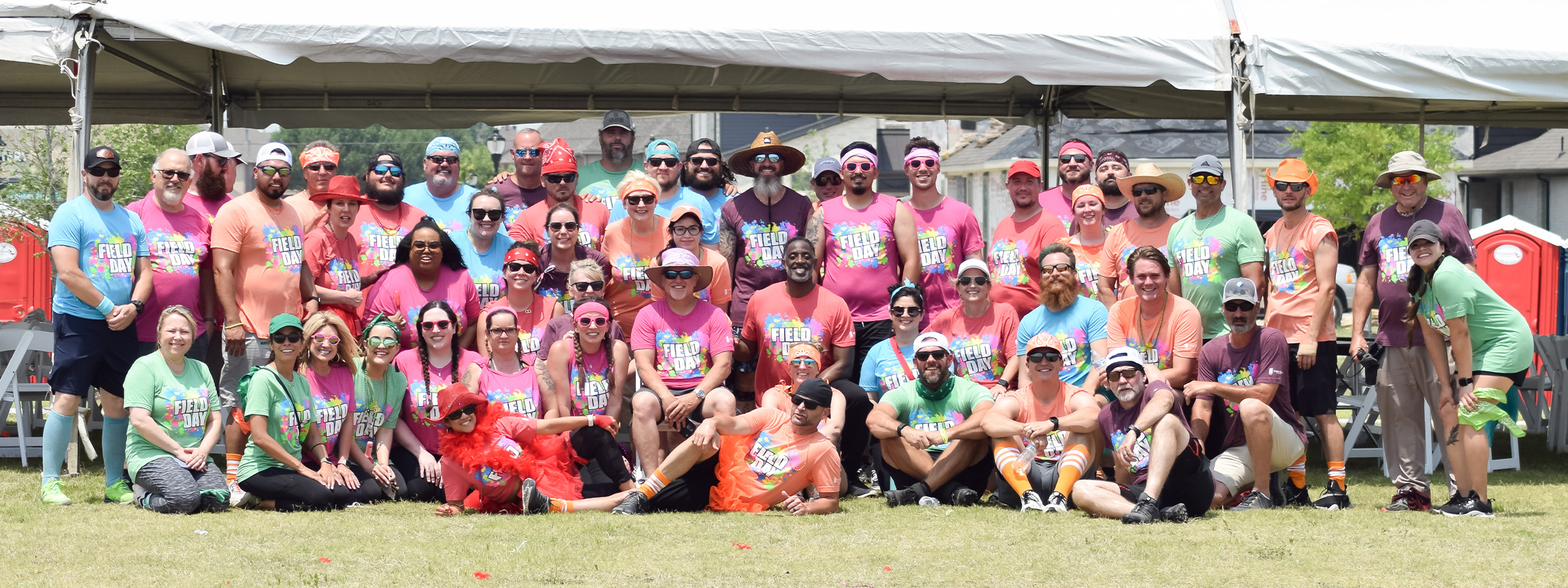
For a prospective homeowner, the practical move is to investigate the builder, the community and the financing together. Green Brick’s affiliated mortgage, title and insurance offerings extend its involvement beyond construction. The finished house is the visible purchase. The less visible decisions determine when it can exist, what it costs to deliver and how much room the builder has to respond.
Go see the homes
Company website ↗ · Explore the seven brands ↗ · Trophy homes ↗
LinkedIn ↗ · X ↗ · Facebook ↗ · Trophy on Instagram ↗
Watch: a message from CEO Jim Brickman ↗
Company news ↗ · Results and presentations ↗