In 1967, Bob and Bruce Toll built two houses outside Philadelphia and made an interesting decision: they kept them. A builder usually wants to turn a finished house into cash. The brothers wanted visitors to walk through theirs. The houses became samples for land down the street. According to the company’s account, the demonstration helped produce contracts for twenty more homes.
- Luxury homes with a menu of personal choices.
- More choice usually means a longer wait.
- The price of the finished home deserves its own conversation.
“Instead of selling them, we used them as samples for the lots we owned down the street,” Bob later recalled. There, in miniature, was the business Toll Brothers would spend decades developing: make an expensive, unfamiliar purchase tangible, then give the customer choices within a system the builder can repeat.
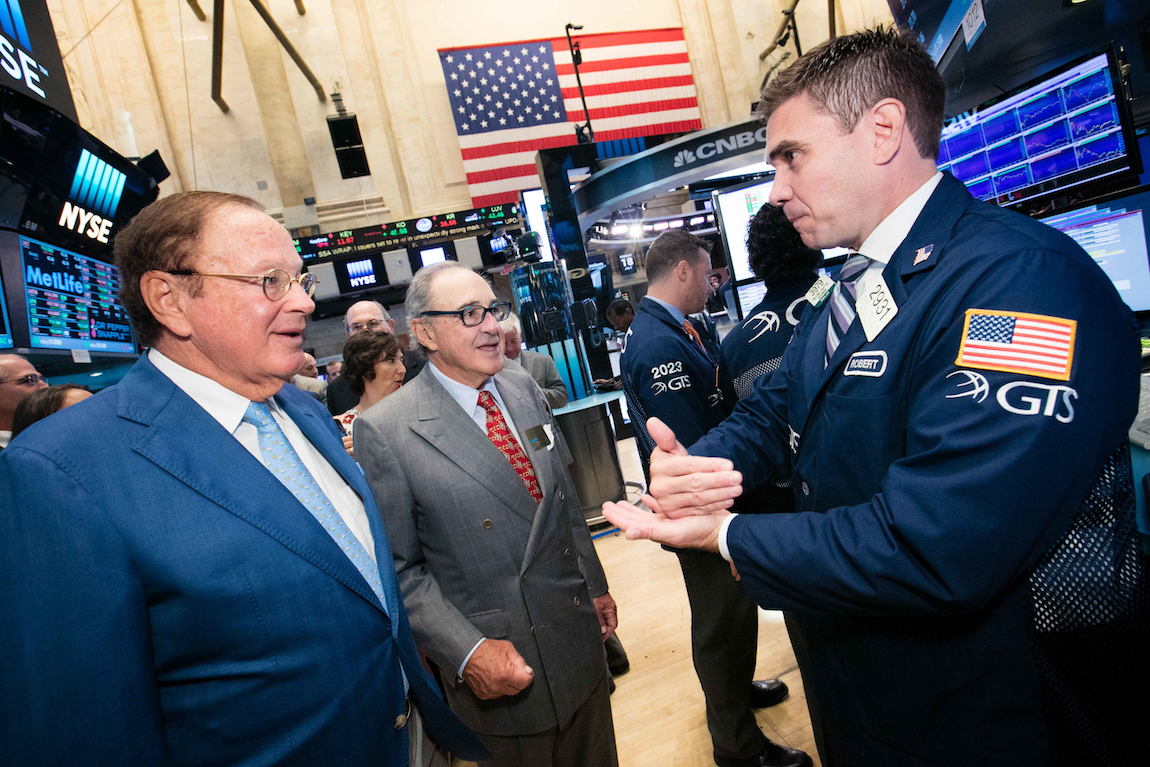
A little of you. A lot of system.
Today that system serves buyers across more than sixty American markets. Its audience includes affluent first-time buyers, families moving up, second-home purchasers and adults seeking age-restricted communities. The product can be a detached suburban house, a townhome or a City Living condominium. What connects them is a premium position and a guided buying process.
The useful distinction appears in the company’s own FAQ: Toll Brothers is not a custom builder by definition. It builds planned communities and does not currently build on a customer’s privately owned lot. Buyers select from available home designs, sites, structural options and finishes. Personalization happens inside boundaries. Those boundaries are the business.
A one-off architect can begin with a blank sheet. Toll begins with a community and a set of decisions. Its Design Studios let buyers compare cabinets, counters, flooring and other finishes with consultants. For someone who wants influence over a home without organizing a construction company, that arrangement can be attractive. The choices feel domestic; the coordination remains industrial.
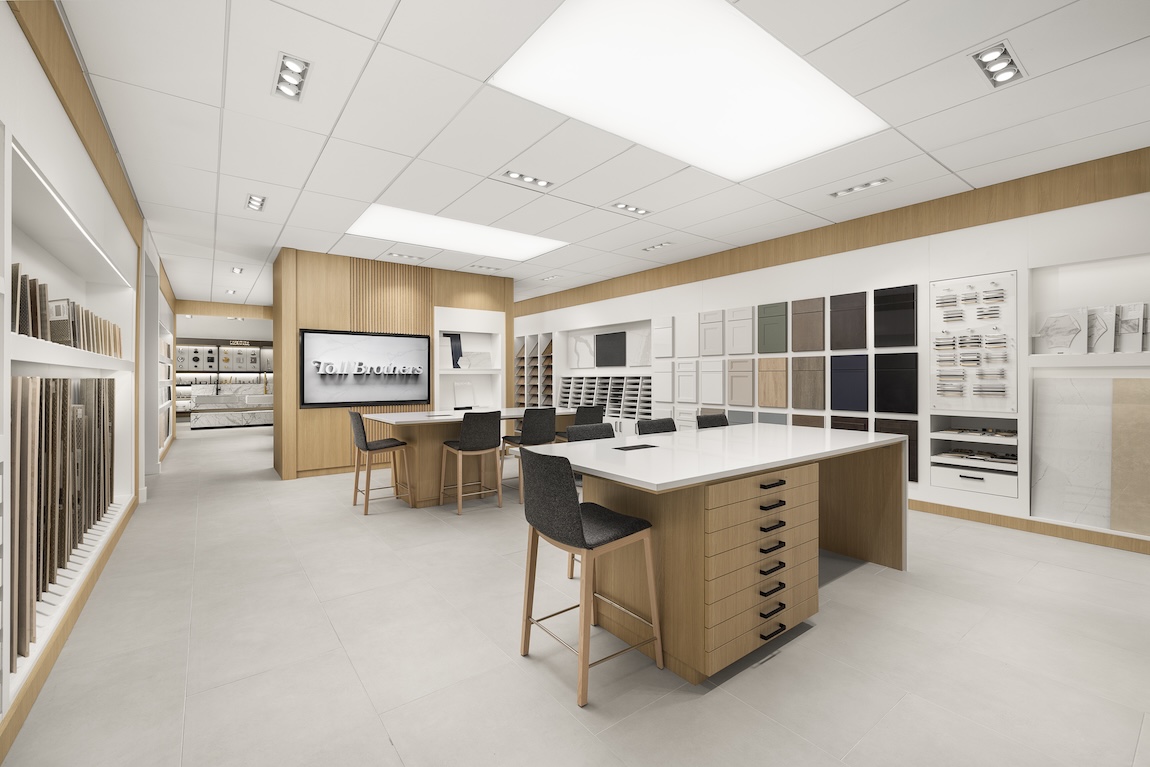
The clock is part of the product
Choice has a deadline. Toll’s quick move-in range includes homes already under construction and homes that are complete or nearly complete. Some still allow selected finishes; others arrive with the designer’s decisions already made. Build-to-order gives buyers more say over the design and site. The trade-off is time.
Its quick move-in page advertises closing windows of thirty to sixty days for complete or nearly complete homes, and sixty to 180 days for homes under construction. Build-to-order is presented there as ten to fourteen months. These are advertised paths, not universal promises: timing and remaining choices depend on the particular home and community.
There is a small lesson here for any business selling complicated work. Organize the offer around the customer’s constraint. A relocating family may value a closing date more than a particular cabinet. Another buyer may happily wait to choose the kitchen. Selling both paths gives the company access to both situations.
Advertised closing windows. Timing varies.
The $960,200 question
In fiscal 2025, Toll delivered 11,292 homes and recorded $10.84 billion in home sales revenue. The average delivered price was $960,200. That average describes a mix of homes across markets; it is neither an entry price nor a quote for the house in the photograph. Geography matters enormously.
The advertised base price also deserves careful reading. Toll lists home-site premiums, structural changes and design upgrades among potential additional costs. A buyer should ask what is included in the actual home, which decisions remain open and what the finished selection will cost. Financing, taxes and community expenses belong in the same budget conversation.
Toll earns its core revenue by selling homes, with related businesses helping finance and deliver them. Its annual report lists in-house architecture, engineering, mortgage, title, landscaping and smart-home operations, plus building-component activities in certain regions. These capabilities help explain how the company coordinates a purchase with so many moving parts. They also create plenty of work behind the sales-center smile.
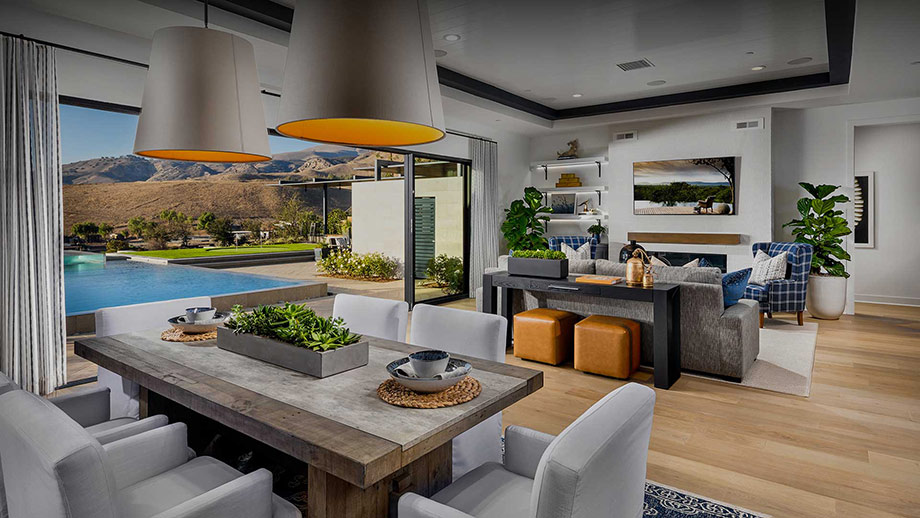
Even a beautiful model home needs a balance sheet
The housing crash exposed how expensive that machinery can become. In fiscal 2009, Toll reported a $755.8 million net loss, including substantial inventory-related write-downs and deferred-tax valuation allowances. The damage reached the land and inventory beneath the houses. A premium brand could not make those assets immune to a falling market.
More recently, Toll has emphasized controlling land through options as well as ownership, and freeing capital from adjacent operations. In September 2025 it announced the sale of its Apartment Living platform and interests in part of the portfolio to Kennedy Wilson. The initial announced price was $347 million; subsequent disclosures put it around $380 million after ongoing investment adjustments.
By its February 2026 results, Toll said the transaction was substantially completed, with approximately $330 million in net cash proceeds. Those figures describe different things: an announced price, an adjusted purchase price and net cash received. In its proxy statement, management explained the broader exit by saying the public market had not given full credit for the apartment business’s earnings. The decision was about capital allocation.
A premium brand could not make those assets immune to a falling market.
More orders. Less margin.
Karl Mistry became chief executive in March 2026, having joined Toll in 2004 as an assistant project manager. That progression is a concrete example of its internal career path. The company also reports training programs and employee resource groups; its fiscal 2025 metrics say ninety percent of surveyed employees called it a great place to work. That is company-reported survey evidence.
His third quarter showed the tension inside the model. Net signed contracts rose five percent to 2,508 homes, while home sales revenue fell to $2.65 billion from $2.88 billion a year earlier. Adjusted home sales gross margin fell from 27.5 percent to 25.6 percent. This measure excludes interest and inventory write-downs. Growing orders and protecting profitability are separate jobs.
Adjusted home sales gross margin. Excludes interest and inventory write-downs. Scale: 0-30%.
Against national builders such as Lennar and PulteGroup, and regional builders and resale homes, Toll asks buyers to value its combination of location, design and managed personalization. It works best when the community, budget and timetable fit. Someone needing an unrestricted architectural commission, a private-lot build or the lowest purchase price has a different shopping list.
The portable idea is quite practical: show people what they are buying, give them meaningful decisions and price the consequences of those decisions clearly. The Toll brothers’ first two houses made a future home easier to imagine. The modern company still has to make that imagined home arrive on terms both buyer and builder can afford.