A motorcycle has two useful qualities for an ambitious technology company. It can slip through traffic, and it can carry something. A passenger on the way to work. A restaurant order on the way home. The machine stays much the same; the business around it changes. Gozem’s story begins with that modest piece of equipment, which has proved rather more versatile than the phrase “ride-hailing app” allows.
- Start with the street: motorcycle-taxi bookings launched in Togo in 2018.
- Reuse the network: rides sit beside meals, groceries, parcels and cooking gas.
- Finance the supply: drivers can work towards owning their vehicles through installments.
The company calls itself Africa’s Super App. The name is expansive; the operating geography is specific. Gozem serves Francophone West and Central Africa, with operations in Togo, Benin, Gabon, Cameroon and Republic of Congo. Its proposition is that several everyday tasks become easier when the customer, the merchant, the driver and the payment can meet in the same system.
A borrowed idea finds a different street
In late 2017, Raphaël Dana visited West Africa and noticed the motorcycle taxis. His experience in Singapore supplied a useful reference: Southeast Asian services such as Grab and Gojek had already shown how a transport network could support other businesses. Gregory Costamagna and Emeka Ajene joined the founding story. Ajene brought experience from Uber’s African operations.
The insight was about matching. A city may have plenty of drivers and still make it difficult for a passenger to find one at the right moment. In a Michigan Ross interview, Ajene described the team’s research into inefficient transport markets and drivers’ waiting time. Booking through an app offered a way to connect demand with vehicles already on the road.
Gozem began in Togo in 2018 and entered Benin in 2019. That choice matters. A company following the crowds into the most discussed technology markets would have faced a different contest. Gozem concentrated on French-speaking markets and adapted an existing idea to local transport habits. The motorcycle was already familiar. The new arrangement was the booking.
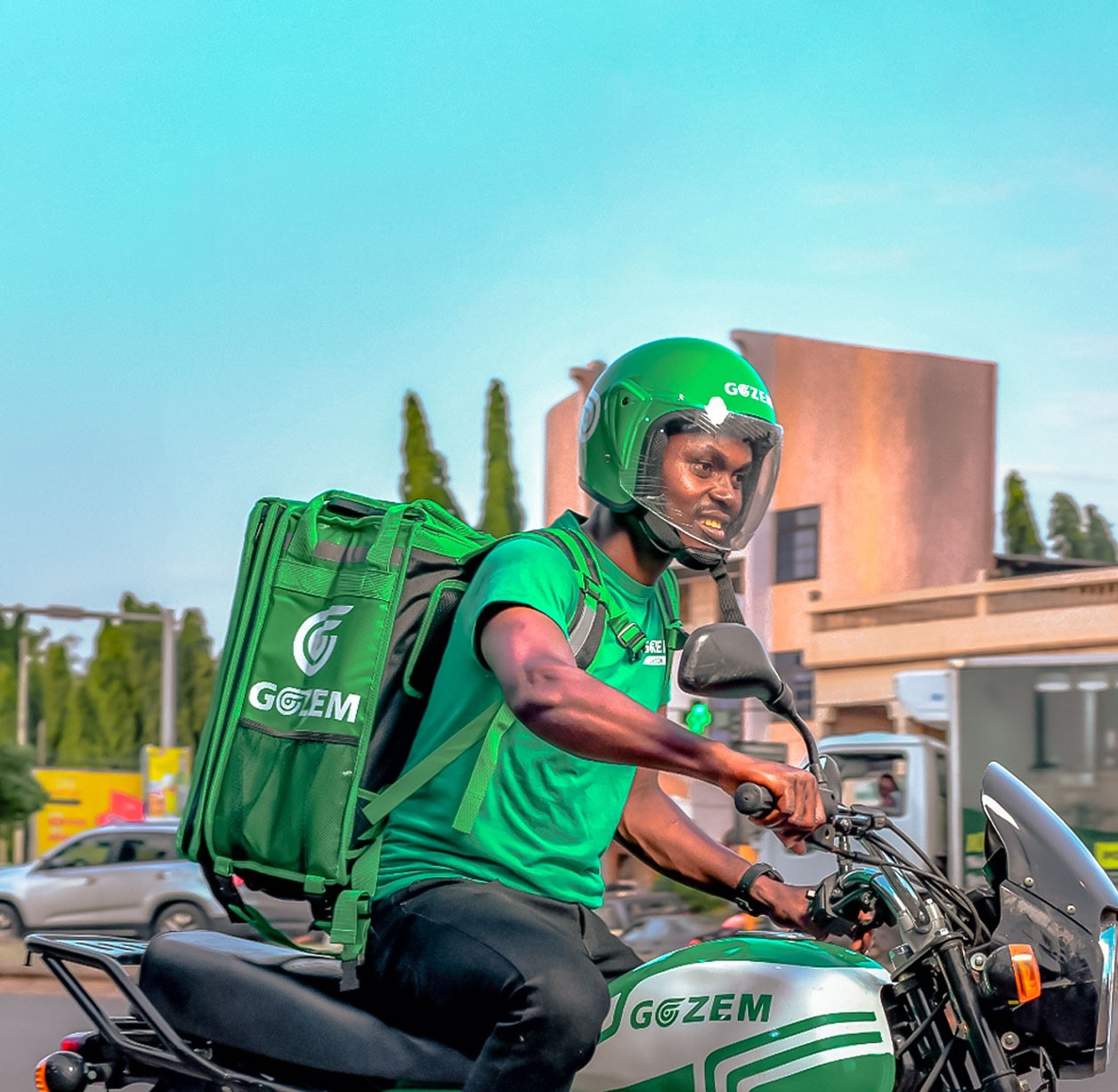
The dinner order follows the passenger
For customers, the attraction is legible: book a motorcycle, a covered tricycle or a car; order food or shopping; send a parcel. The available menu depends on the market. Gozem’s motorcycle offering emphasizes a clear fare and helmets for driver and passenger. Those details address ordinary anxieties about price and protection, rather than requiring customers to fall in love with software.
Delivery gave the transport network another purpose. In October 2020, Gozem acquired Delivroum, a food-delivery company in Lomé. One side brought transport capacity; the other brought restaurant relationships. That is a more interesting expansion mechanism than simply declaring a new product category. Someone must persuade restaurants to participate, assemble menus and make the handoff work.
A 2021 founder interview linked the push into meals to COVID-19. Circumstances changed the urgency of delivery, while the acquisition supplied local capability. Cooking gas offers another revealing detail. Gozem markets home delivery of cylinders, an errand with little glamour and considerable practical value. Convenience is sometimes dinner; sometimes it is the means to cook it.
The expensive part is parked outside
A booking system cannot conjure a vehicle. Gozem’s financing business addresses drivers who need equipment but struggle to obtain conventional credit. An earlier IFC-backed programme in Togo and Benin used lease-to-own arrangements: payments eventually transferred ownership of the motorcycle to the driver. Financing and ride bookings thus became closely connected businesses.
The arrangement also changes what the company must know. Finding a customer is one job; assessing repayment, arranging maintenance and managing a fleet are others. Gozem earns commissions on platform trips and collects financing payments. Merchants and businesses have further services, including delivery, advertising and fleet management. The home screen conceals quite a collection of operational responsibilities.
“We explain to all our drivers that this is a long-term journey.”Gregory Costamagna, February 2025
The cost of building that system appears in its financing history. Gozem raised a $5 million Series A in 2021 and announced a $30 million Series B in 2025, combining debt and equity. In June 2026, IFC recorded signing of another financing project. Its estimated deployment cost is €36.7 million, largely for vehicles; the disclosure still listed disbursement as pending.
Money joins the journey
Gozem acquired Beninese fintech Moneex in 2023, bringing its founders into the effort to develop Gozem Money. The mobile-money service launched in Togo with NSIA Bank in 2025. Payments and transfers give the company another connection to customers’ daily lives, although a mobile-money offering should not be confused with owning a bank.
The company’s expertise lies in coordinating these connections. Street-hailed taxis remain an alternative for passengers; standalone couriers and payment services meet individual needs. Gozem asks people to use one system for several of them. Its difference is especially apparent on the supply side, where transport demand sits alongside equipment financing and driver support.
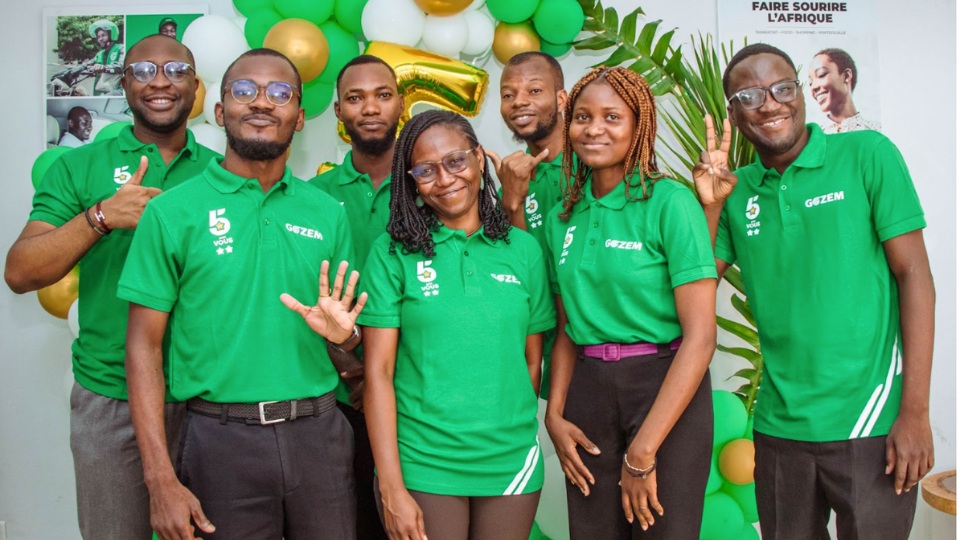
Ownership needs room to breathe
That integration creates pressure as well as opportunity. IFC’s 2026 review describes daily wallet deductions under Drive-to-Buy contracts and warns that some drivers work beyond 15 hours. Financing depends on earnings, while excessive hours can undermine safety. A busier network is useful only if the person operating the vehicle can sustain the work.
The transferable lesson is to add a service when existing operations give it a reason to work. Gozem’s restaurant acquisition and banking partnership show that missing capabilities still require people, relationships and capital. Where trip demand cannot support repayments, or local delivery networks are too sparse, the connections become liabilities. The motorcycle may be ordinary. Keeping its rider solvent, rested and earning is a demanding business.