The address supplied the name. In October 2011, five young companies arrived at a Cairo apartment numbered 6. They were the first intake of Flat6Labs, an accelerator backed by Sawari Ventures and supported by the American University in Cairo. Their appointment with investors was three months away. Between arrival and demo day, they had to turn promising ideas into something another person might fund.
- Flat6Labs packages training, mentoring, introductions, and fundraising preparation into local startup programs.
- Since August 2025, it has been F6 Group’s founder-support arm, alongside seed investor F6 Ventures.
- The useful question for applicants: which business milestone will this particular program help you reach?
The original bargain was quite specific: EGP 50,000-75,000 per startup for a 10-15% equity stake, with potential additional investment for promising graduates. The first cohort was called Cycle 0. Even its numbering left room for revision.
The accelerator needed accelerating
Flat6Labs’ founders, Ahmed El Alfi and Hany Al-Sonbaty, had established Sawari Ventures before creating a home for much earlier businesses. One original startup, Ekshef, tackled finding and booking doctors. Another, Careerise, worked on recruitment through social connections. These were practical problems with potential customers. The question was whether their teams could build companies around them.
After the first demo day in January 2012, management identified something to change in its own design. Training would move toward the beginning of the cycle, rather than continuing throughout. More established entrepreneurs would join as mentors and speakers. The curriculum needed a better sequence: learn the essentials, then have room to use them.
This is the early friction the record actually reveals. Founders were trying to learn and execute on the same crowded calendar. Flat6Labs adjusted the calendar. Anyone running a training program can copy that decision: place instruction before the moment participants must perform, and protect time for the work itself.
“We don’t provide onsite developers.”Ahmed El Alfi, at Flat6Labs’ launch in 2011
El Alfi’s warning gives the arrangement a useful boundary. Mentors can challenge a plan; introductions can open a conversation. The founding team still needs the ability to make the product. Applicants shopping for someone to build their business for them have misunderstood the offer.
Four months, with somewhere to go
The Riyadh Seed Program makes the modern service concrete. Its published sequence runs through four months: orientation and weekly meetings, coaching, introductions to corporates and investors, then rehearsals and a demo day. Financial preparation and investor connections continue after graduation. Follow-on investment goes to selected companies.
That sequence explains where Flat6Labs sits in the market. It combines some of the jobs of a business school, an incubator, and a fundraising adviser. A founder considering a local incubator, an angel cheque, or another accelerator should compare the actual people and customer access attached to each offer. A curriculum alone travels easily. A useful introduction depends on relationships.
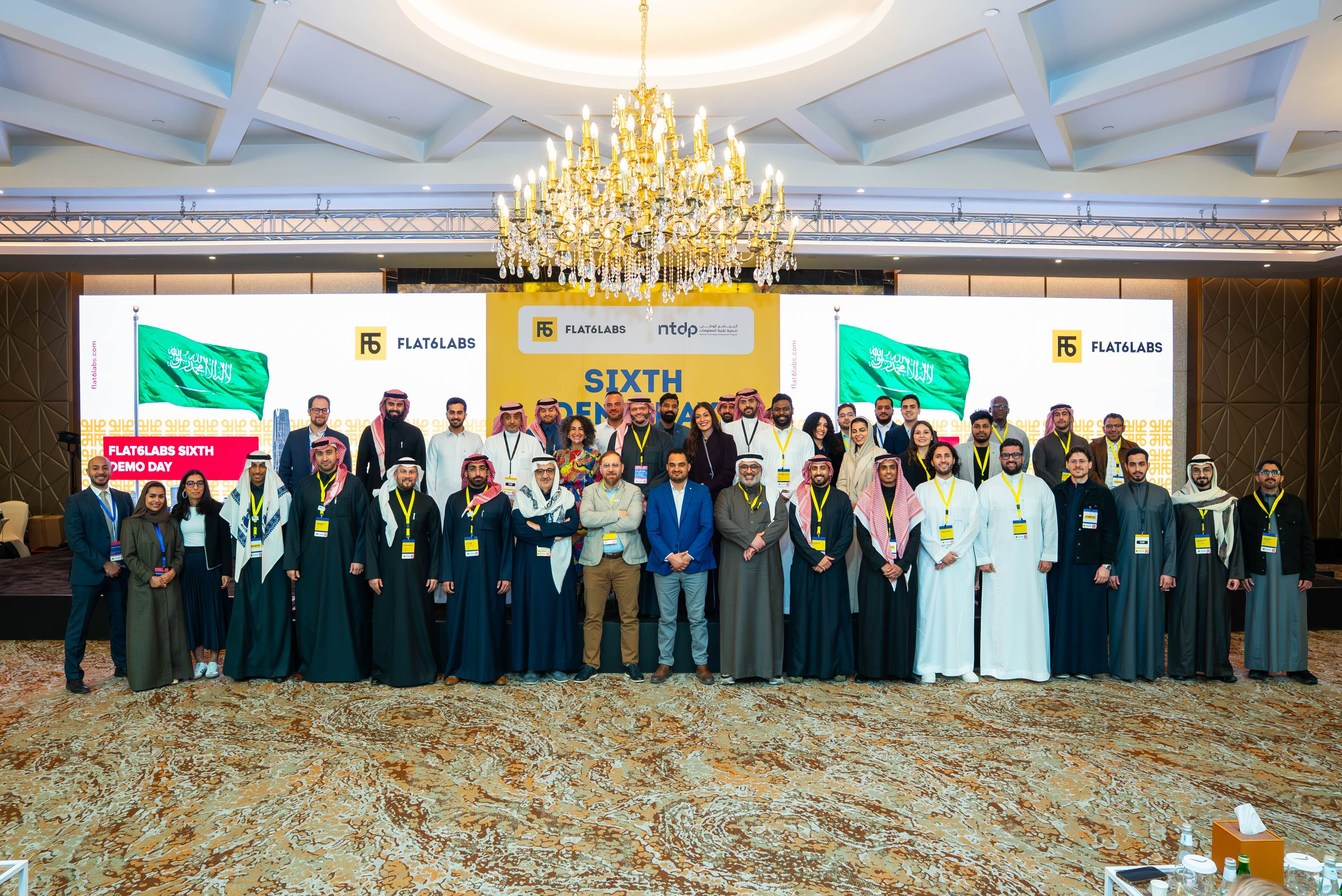
In its January 2026 announcement, Flat6Labs reported more than 60 startups accelerated in Riyadh, with about $17 million deployed by F6 Ventures’ associated fund and $38 million in follow-on funding and co-investments. The second figure includes other financing activity. Dividing it by the first would not produce an investment return.
The price has a postcode
There is no single Flat6Labs deal. Riyadh publishes SAR 500,000 in seed funding and a SAR 2.4 million follow-on offering. It asks for full-time commitment and Saudi residency. The Ignite program page describes $150,000-$250,000 seed tickets, requires an existing minimum viable product, and asks founders to establish a long-term Abu Dhabi presence.
Those conditions make geography part of the price. So are the founder’s time and any equity surrendered under the investment agreement. A team with no reason to enter a particular market may gain less than a team already pursuing customers there. Compare the local offer with your next operational need, then read the agreement.
One group. Two distinct jobs.
In August 2025, the organization announced F6 Group. Flat6Labs would continue running entrepreneurship programs under CEO Yehia Houry. F6 Ventures, co-founded by Dina el-Shenoufy and Ramez El-Serafy, would manage seed investing. The distinction matters when interpreting older profiles that describe Flat6Labs simply as a venture capital firm.
It also clarifies its audiences. Founders use the programs. Corporates, governments, and development institutions partner on their delivery. Flat6Labs’ advisory menu includes startup scouting, digital transformation, ecosystem research, and training for organizations that support entrepreneurs. Its business spans program delivery and institutional advisory; investment activity now sits with its sibling firm.
The money behind that history needs equal care. In May 2021, the FAC Egypt fund announced a second close at EGP 207 million, up from EGP 50 million. That was capital for a fund investing in startups. Calling it revenue, or money raised to run Flat6Labs itself, would describe a different transaction.
Now help the people helping founders
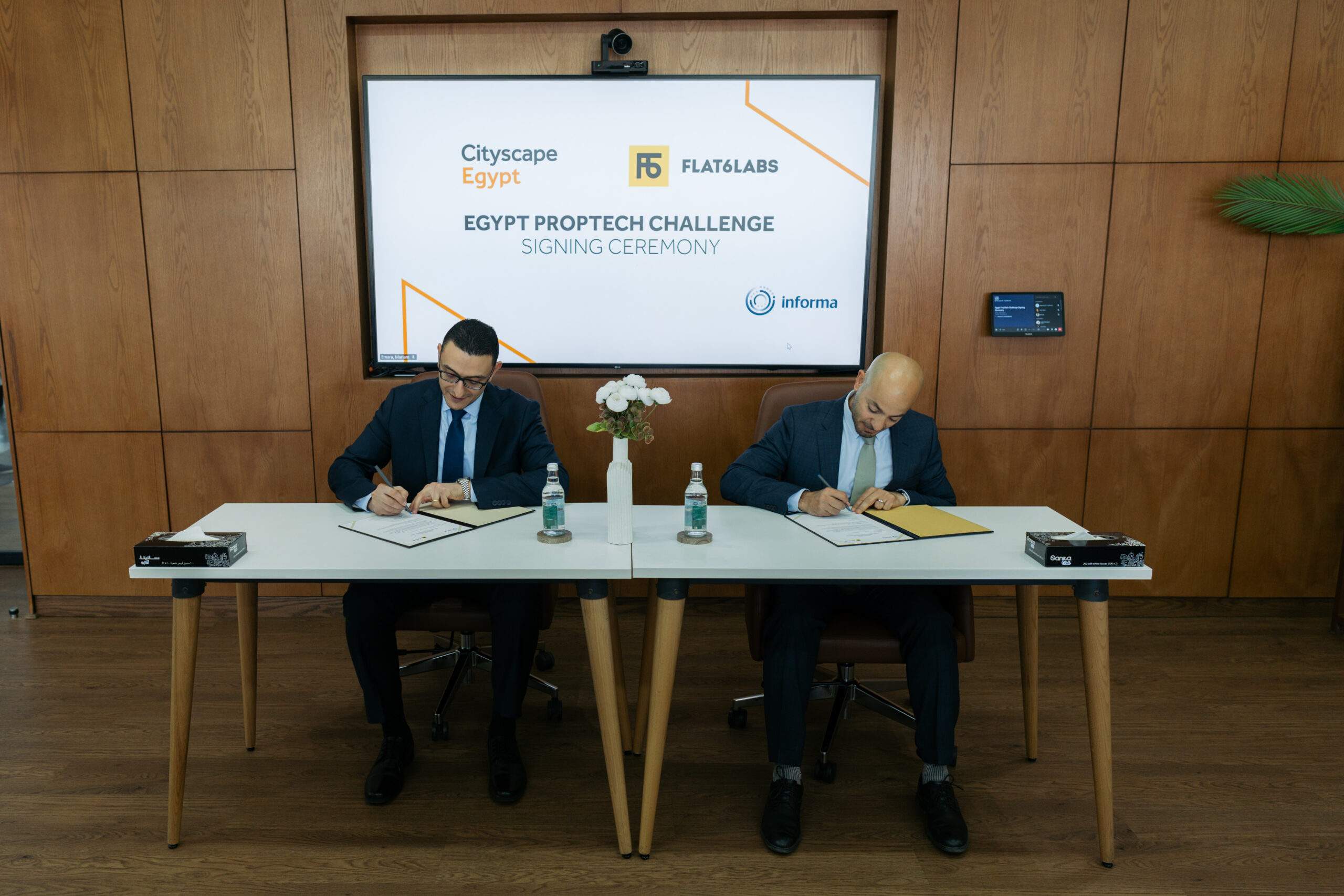
The Cityscape Egypt partnership shows another route to customers: a 2026 competition for property and construction technology businesses, bringing startups into an industry gathering. For a founder, access to a potential buyer can be as relevant as another pitch workshop.
July 2026 brought StartAlgeria, announced with IFC and Algeria’s relevant ministry. The first cohort focuses on incubators in Algiers. Participants work on selecting startups, designing programs, and investment readiness, followed by six months of mentorship. The customer here is an organization whose own customers are founders.
That is the distance from flat number 6: from helping five teams navigate their first months to teaching other institutions how to help. The durable lesson is quite ordinary. Put the training at the right moment. Find the person who can answer the next difficult question. Give the founder enough time to act on the answer.