At 7:30 in the morning, an AI lesson has an unusual advantage: it can become part of the day before the day becomes unmanageable. Everyday AI advertises its weekday livestream at that hour in Chicago. The subject might be a new interface, a business workflow or a question from the audience. The invitation is modest enough to be useful. Come watch someone work through it.
- Free livestreams, podcasts and newsletters make AI learning a repeatable routine.
- Prime, Prompt, Polish gives beginners a memorable way to approach ChatGPT.
- Paid consulting and team training turn general lessons into company-specific work.
That routine is the company’s central idea. Founded by Jordan Wilson in 2023, Everyday AI sits where professional media meets workplace education. It addresses a familiar gap: you can recognize every name in an AI headline and still have no idea what to do differently on Monday. Knowing that a tool exists is a long way from knowing where it belongs in your job.
A classroom with a comment section
Wilson’s background helps explain the format. The show’s description identifies him as a former journalist with two decades of marketing technology experience. Journalism supplies the question. Digital strategy supplies the second question: what should someone actually do with the answer? A live audience makes both questions harder to dodge.
In a 2024 interview, Wilson said he wanted “energy, enthusiasm, and interactivity.” The company launched in April 2023, then developed a process for turning a livestream into a podcast and blog post, with a newsletter carrying it further. He described documenting the production steps and revisiting their timing. The repeatable work around the show mattered as much as the recording.
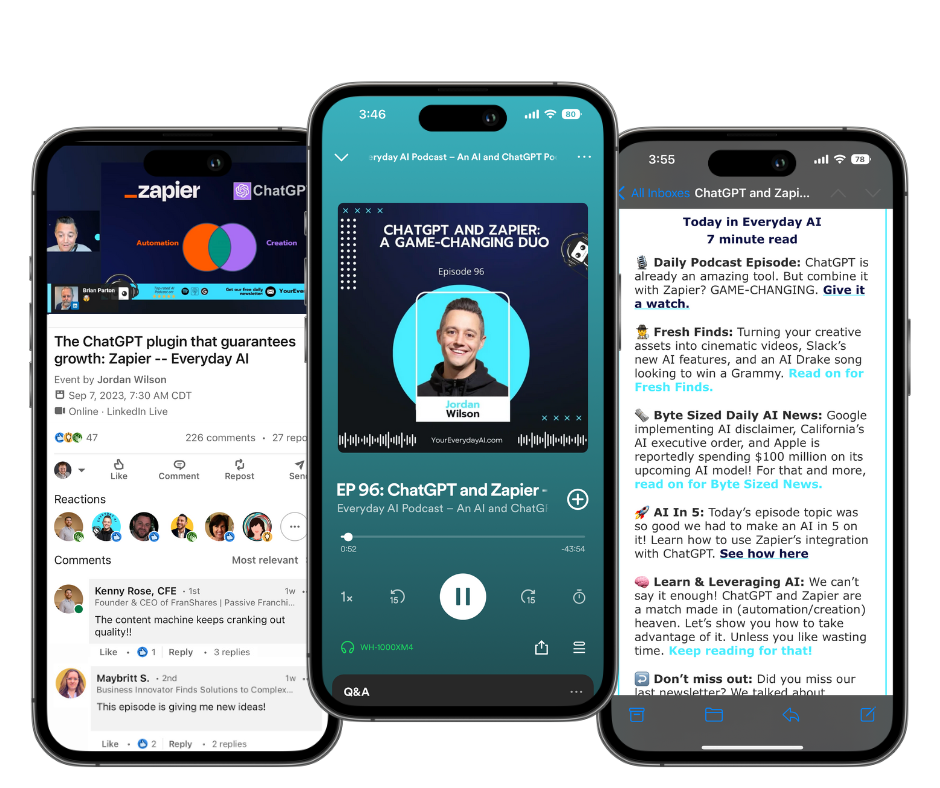
Each format solves a different scheduling problem. Video lets you see the demonstration. Audio makes room for it during a walk. Email gives you something to revisit. This is an appealing arrangement for busy professionals because it offers several entrances to the same subject. Missing the live session need not mean abandoning the lesson.
The guest list also bridges application and expertise. Everyday AI has featured Google DeepMind’s Paige Bailey, Sage CTO Aaron Harris and Microsoft’s Alexia Cambon. Their presence adds perspectives from companies building and deploying AI. An interview appearance, of course, does not establish a commercial partnership or prove that the guest’s employer buys the company’s training.
Three verbs beat a magic prompt
The introductory course has a name that fits on a sticky note: Prime, Prompt, Polish. The free registration page advertises a 60-minute live training. Prime establishes the setup. Prompt states the task. Polish means working on the output instead of treating the first response as finished. The framework’s value is its sequence: preparation, instruction, revision.
Here is an editorial way to apply that sequence: take one recurring piece of writing, explain its audience and purpose, ask for a draft, then compare it with work you would approve yourself. The comparison is the lesson. A fluent paragraph can still miss the point. Revision makes you identify what was missing rather than simply demand that the model “do better.”
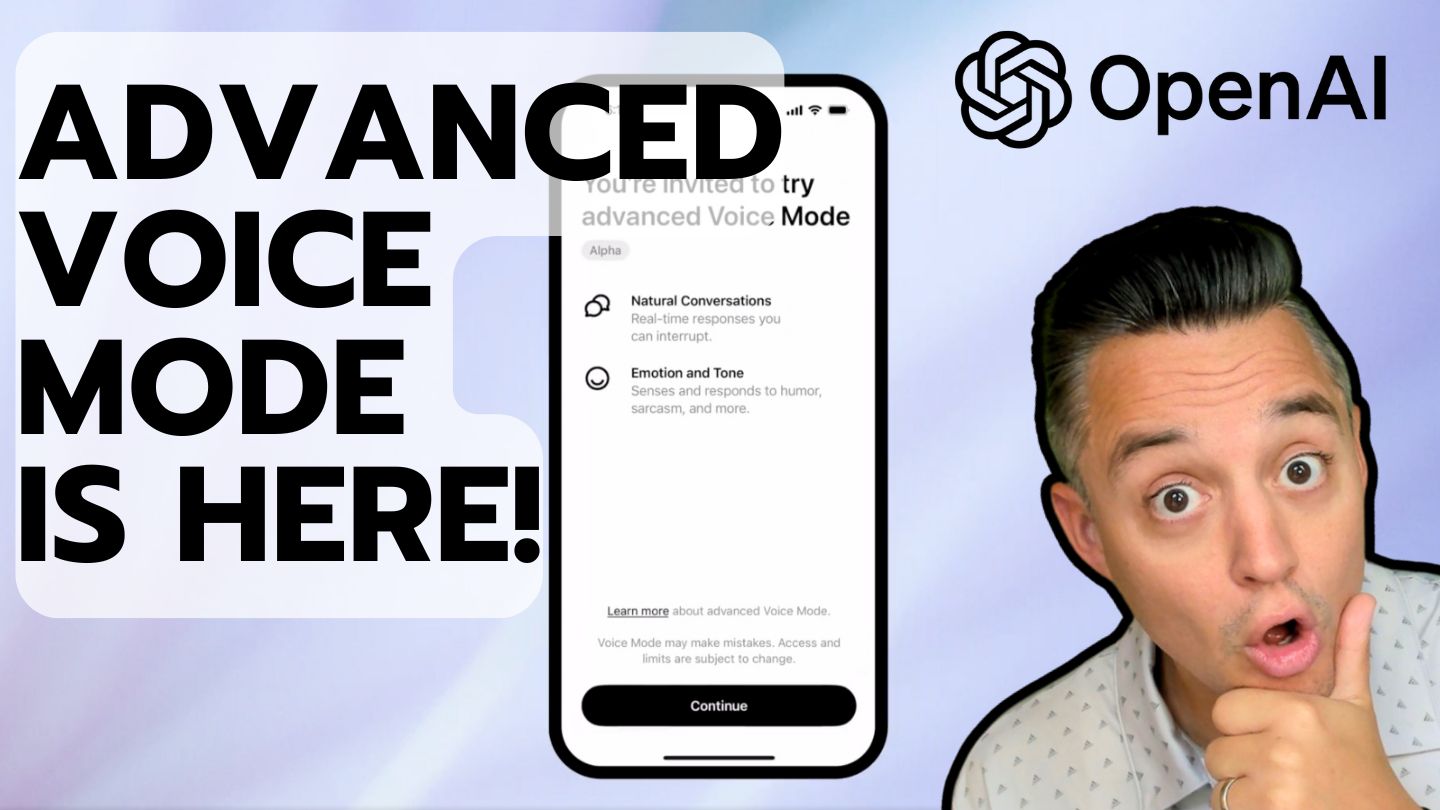
A September 2024 voice-mode review shows the same teaching instinct through a different interface. It explored changes in speaking style, language practice and business questioning, while describing limitations then present in the feature. The entertaining demonstration gets attention. The useful part is understanding which task the interface might improve.
The free lesson has a business behind it
Everyday AI’s public learning leads into paid services. Its GenAI consultation is listed at $395 for 90 minutes, focused on business problems and possible applications. PPP Biz goes further: an onboarding conversation, custom solutions inside ChatGPT, live instruction and follow-up sessions. Customers buy help changing a workflow as well as time with an instructor.
The Intro package includes two hours of live training, one custom GPT, one custom chat and two half-hour follow-ups. Advanced lists three hours, three of each build and four follow-ups. These are applications within ChatGPT. For a buyer, the sensible question is whether those specific builds address enough recurring work to justify the package.
Sponsorships provide another commercial route. The homepage claims more than 310,500 business leaders reached each week across its media. That is a company-reported audience figure, not a count of paying customers. Its sponsorship material describes a largely American audience of mid-career decision-makers. The fit is clear: professional attention is valuable to businesses selling AI products and education.
What the company does with its own advice
In its August 6, 2026 newsletter, Everyday AI opened a window into its own operation. It described overnight agents collecting podcast statistics, checking newsletter tests and preparing communications triage. Wilson reported a morning briefing replacing a longer manual reporting routine. Treat that as the company’s account of its workflow, rather than a universal savings forecast.
Pick a job you repeat. Make the result easy to check. Improve the instructions.
The example is useful because it names the work. Statistics live somewhere. A briefing needs a format. Replies need review. Readers can copy that specificity without copying the entire setup. A small, well-defined task provides a clearer test than the sprawling instruction to make a business more productive.
Copy the habit, then judge the result
There are limits to this kind of learning. A general demonstration cannot settle a company’s data permissions or quality standards. PPP Biz centers its builds on ChatGPT, which matters if a team works on another platform. The company’s governance episode recommends identifying tools, assigning owners and writing operational playbooks. Those questions belong alongside the demonstration.
Everyday AI competes for the same scarce attention as AI newsletters, news podcasts and training courses. Its combination of live questions, reusable media and paid implementation gives it a recognizable place in that market. For the reader, the practical move is simple: choose one lesson, try it on one real task, and inspect the result. Tomorrow’s episode will still be there.