An invitation can be grammatically perfect and socially hopeless. It can have the right address, the correct language and an expensive face on the envelope, yet give its recipient no reason to care. Etienne Hernandez-Medina has made a career in the space between receiving a message and feeling that somebody meant to include you.
As founder and CEO of H+M Communications, he works in a business that regularly puts famous people in front of cameras. His more interesting work concerns everyone on the other side of the lens. A Latino moviegoer considering a film about N.W.A. A superhero fan encountering a family that resembles their own. A Miami audience being asked to celebrate a franchise with roots in its city.
The films differ. The question keeps returning: what makes this story feel close enough to become part of somebody’s plans?
A seven-year-old learns to read the room
Hernandez-Medina came to the United States from Cuba during the 1980 Mariel boatlift. He was seven and did not speak English. Years before audience strategy became his profession, he was learning to navigate unfamiliar language and customs himself. His mother, a teacher, supplied an early example of how a story could make something easier to understand.
“My mom was the first storyteller I ever knew.”
Etienne Hernandez-Medina · 2025 HPRA interview
There is something pleasingly practical about a communications education that begins with a teacher. A lesson has to reach the person sitting in front of you. Elegance counts for little if the pupil has stopped listening. Hernandez-Medina’s account of his mother gives the later career a human starting point, well before studios, agencies and award ceremonies enter the picture.
At the University of Miami, he studied communications and political science and earned recognition as a collegiate debate All-American. Debate is an apt apprenticeship for this line of work: an argument has to survive contact with somebody else’s attention. You must understand what the listener already believes, anticipate an objection and give the next sentence a job.
A garage, with an unusually wide brief
His early freelance assignments included copywriting, branding, design and community management. That range is useful preparation for an agency founder. Copy has to earn its space. Design has to make the idea legible. Community work brings you close to the response, including the response nobody put in the presentation.
Such tasks also make communications feel less abstract. Someone must choose the words, make the object and answer the person who has a question. Later, when a campaign involves a studio, several markets and a roster of creators, those small obligations remain. The organization grows around them. In Hernandez-Medina’s career, the breadth of the early work helps explain the breadth of the eventual company.
His professional education ranged across Ketchum, Golin, Edelman and Weber Shandwick, with a client-side role as executive vice president of publicity and corporate communications at Universal Pictures. That is a considerable tour through the machinery of persuasion. It puts the agency brief and the studio’s expectations within the same working life.
Then came an enterprise with rather less imposing premises. H+M traces its beginnings to its founder’s garage in the early 2000s, initially concentrating on entertainment. The setting has become familiar in business biography, usually accompanied by a retrospective suggestion that the garage knew all along. Here the useful detail is the work: publicity that would grow into a broader communications practice.
Today the independent consultancy combines strategy, media relations, creator partnerships, events, content and corporate communications. Jennifer Becerra serves as partner and chief strategy and creative officer; Aimee Thompson’s responsibilities include global communications and people. The leadership structure helps explain why a profile of the founder quickly becomes a story about a team. A campaign this varied requires several kinds of judgment.
Hernandez-Medina also co-founded Crave It PR with Laura Schulman, who describes him as a colleague and friend. That connection extends his work into food culture. It is another version of a familiar problem: a brand needs a place in people’s lives before it can reasonably expect a place in their conversation.
Twenty-one percent of a different story
In 2016, H+M’s work for Universal Pictures’ Straight Outta Compton received an In2 SABRE Award in the non-journalist influencers and communities category. The campaign targeted Hispanic audiences for the film about N.W.A.; Latino viewers represented 21 percent of its opening-weekend audience. H+M became the first Hispanic agency recognized with an In2 SABRE.
Latino share of Straight Outta Compton’s opening-weekend audience.Film audience composition · 2015 release / 2016 campaign recognition
That assignment is revealing because it crosses the tidy boundaries a marketing plan can draw around people. An audience’s interests need not stop at the edge of its demographic description. Music, place, ambition and cultural memory offer connections that a narrowly literal reading of identity might miss. The task is to find an honest point of contact.
The award category matters, too. Influencers and communities sit inside the title. The relationship between a story and the people carrying it was part of the work being judged. The visible result was a film campaign; the underlying professional skill was deciding how the story could travel credibly.
A superhero without the usual press tour
For Blue Beetle, a different difficulty intervened. The actors’ strike restricted cast participation in publicity. H+M built a U.S. Hispanic press day around director Ángel Manuel Soto, enlisted more than 100 creators and brought the campaign into community settings. A mariachi flash mob appeared at the Latino Games Festival. Local screenings gave fans somewhere to gather.
“We wanted the campaign to feel like it belonged to the community.”
Etienne Hernandez-Medina · on Blue Beetle
A mariachi flash mob is a welcome reminder that a strategy document can eventually produce an actual good time. More seriously, the choices offered distinct experiences. A director could discuss the film’s family and cultural setting. Creators could speak in voices their followers already knew. A screening could turn private anticipation into a shared evening.
Hernandez-Medina celebrated three HPRA ¡BRAVO! campaign honors in 2024, covering entertainment, influencer engagement and integrated marketing communications. That spread of categories reflects the campaign’s construction. Different pieces performed different jobs, and the work had to hold together while doing them.
Miami sends the invitation
With Sony Pictures’ Bad Boys: Ride or Die, the city itself became an organizing idea. The campaign brought together a Miami press day, a Marlins takeover, a premiere and soundtrack launch, creator content and advance screenings across eight markets. Latino audiences accounted for 26 percent of opening-weekend ticket buyers, above an 18 percent benchmark and a 25 percent stretch goal.
Common 0-30% scale. Audience composition, rather than a measure of campaign-only causation.
Those numbers give the work a useful point of reference. They also leave room for the human detail. A baseball setting, a music event and a familiar creator each offer a different reason to pay attention. Miami supplied connections between them. The campaign’s geography had a purpose beyond providing attractive scenery.
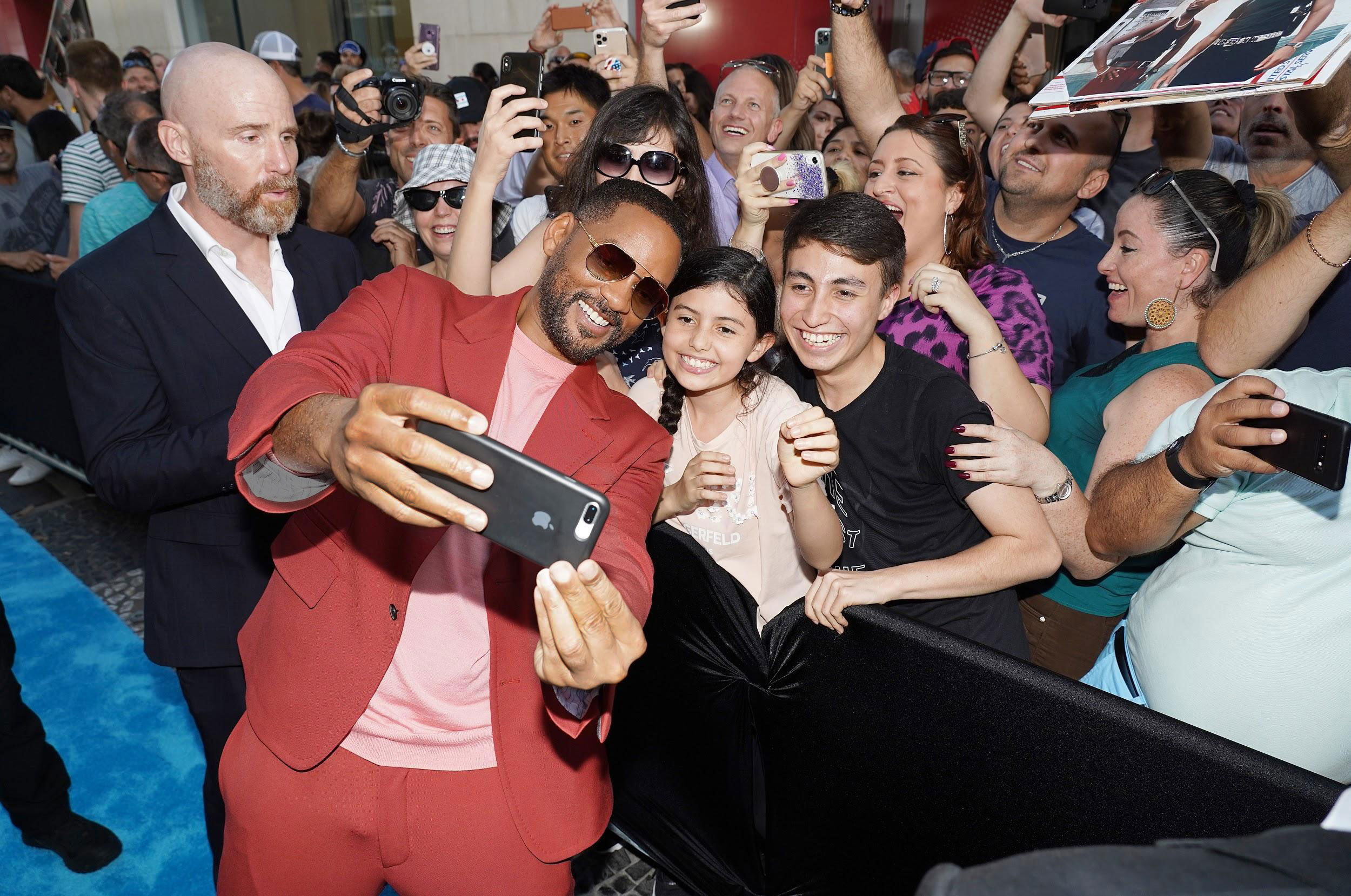
H+M won the arts, entertainment and media category at the 2025 PR Daily Awards for the Ride or Die campaign. That year also brought four HPRA campaign honors and the agency’s fourth HPRA Agency of the Year recognition. Hernandez-Medina’s public response emphasized the team and the responsibility of representing communities on large stages.
Read together, these campaigns suggest a particular working habit: begin with a reason for people to care, then choose the people and places that can make that reason tangible. The same tactic will not suit every film. The attention paid to the audience can carry over.
The room after the premiere
His professional life also extends into the places where communicators discuss their own industry. He participated in the Museum of Public Relations’ 2020 Celebrating Latino PR History event and joined the Television Publicity Executives Committee’s executive committee in 2022. In 2025, he spoke at HPRA’s Leadership Cumbre about earning Latino attention.
The Cumbre’s opening session was titled “Winning Latino Attention Authentically.” Its framing placed cultural fluency, relevance and trust at the center of the conversation. For someone whose clients buy access to very large audiences, the emphasis is telling. Attention has to be earned again with each assignment, even when the campaign comes with a familiar title.
There is a useful tension in that job. A studio needs scale; a viewer responds to particulars. An agency has to work across markets while keeping enough detail in the idea for people to recognize themselves. Hernandez-Medina’s campaigns make that tension visible through concrete choices: a director’s explanation, a creator’s voice, a city’s connection to a film. The detail gives the larger effort something to stand on.
These are settings where experience becomes something other people can use. A campaign’s credits tell you who worked on a particular release. A professional association can bring that experience into contact with someone still trying to find a first assignment, a mentor or a plausible next step.
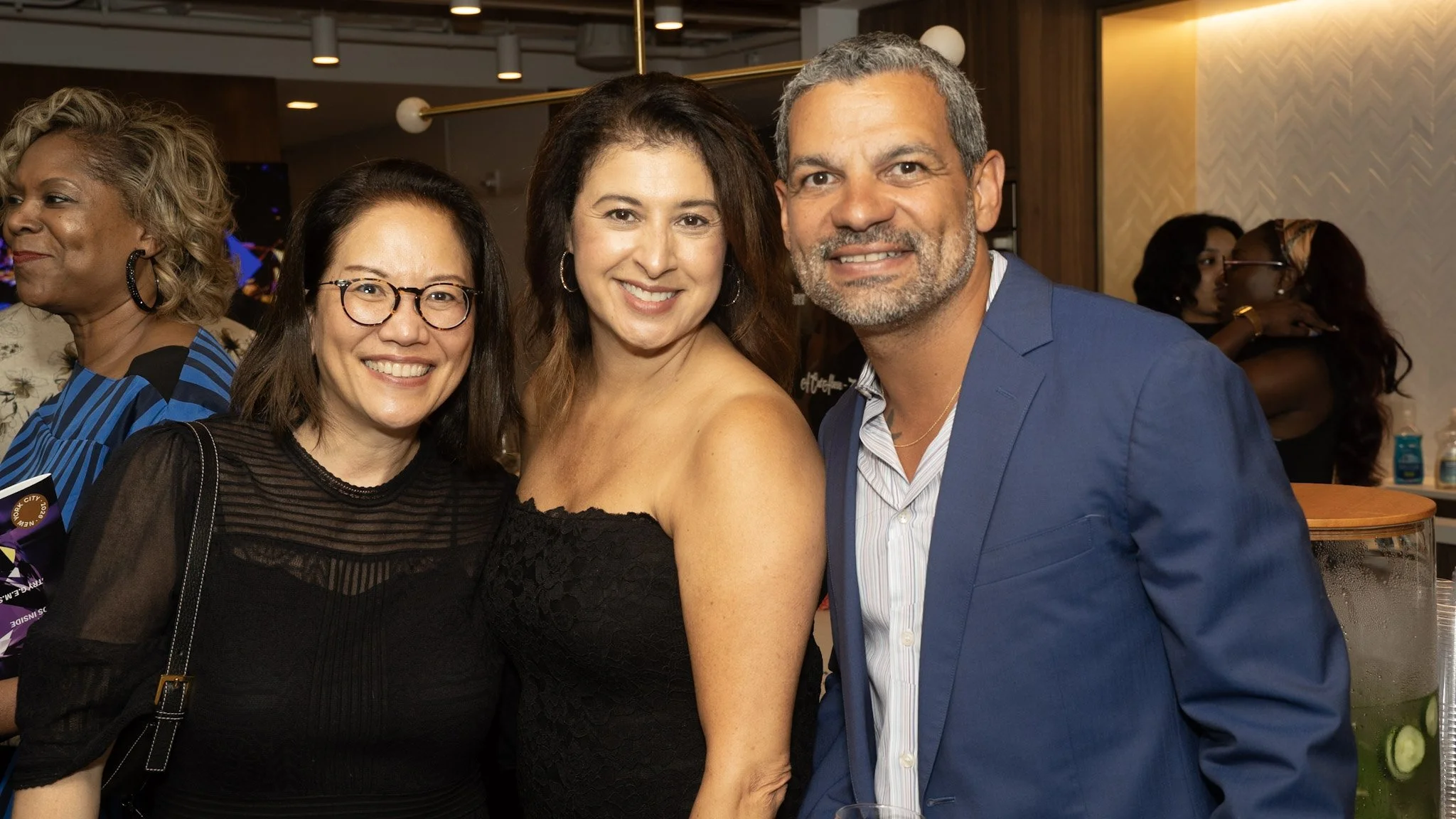
In 2026, the Diversity Action Alliance included Hernandez-Medina among its five Industry Legends. On October 20, HPRA announced him as its DEI Champion of the Year honoree, with the ceremony scheduled for November 19 in Los Angeles. The announcement highlighted his scholarship support and time spent counseling young professionals.
That last detail brings the story back to an invitation. Entering a profession can involve the same uncertainty as encountering an unfamiliar culture: learning the language, discovering the expectations, working out whether there is a place for you. Hernandez-Medina’s career began with those questions in unusually literal form. After years of helping audiences find a connection to a story, he is also helping younger communicators find their way into the room.