In September 2025, CIMB Bank Vietnam announced that nearly one million prepaid, debit and credit cards had moved onto Episode Six’s platform. The job took under seven months. For customers buying lunch, the card still worked. Behind that ordinary transaction, a bank had replaced its card management system without replacing its entire technology stack.
Banks want new products, faster launches and controls that change when customers do. They also have existing accounts to protect. Episode Six sells the infrastructure between those ambitions: card issuing, transaction processing and the ledger that records balances and obligations. Its customers build the financial products. Episode Six supplies much of the machinery.
- What it sells: the issuing, processing and accounting beneath financial products.
- Why banks buy: new capabilities alongside systems they already depend on.
- A concrete result: nearly one million CIMB Vietnam cards migrated in under seven months.
02A sixth venture, a different starting point
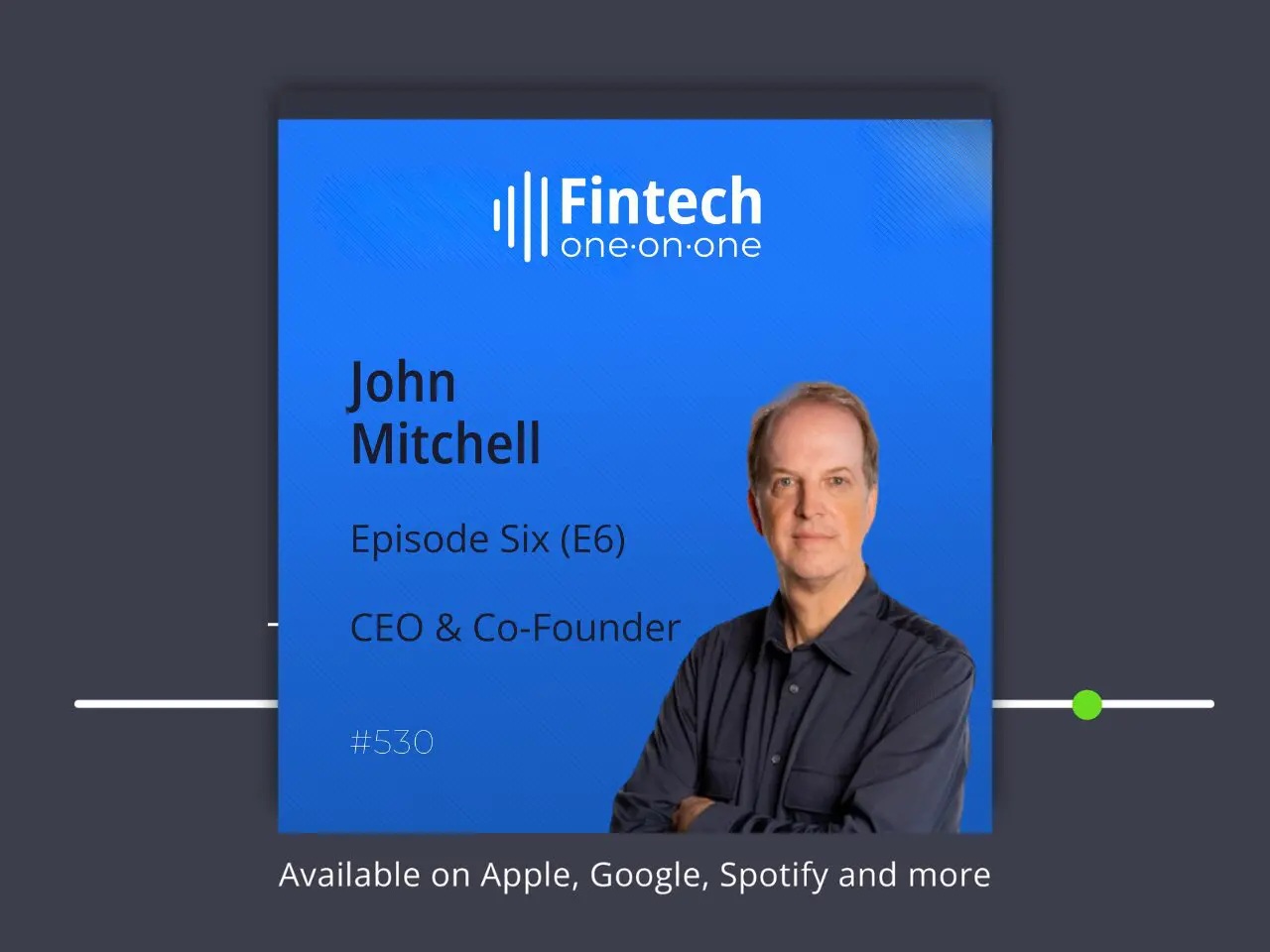
John Mitchell, Chermaine Hu and Futeh Kao founded the company in 2015. Today they serve as CEO, CFO and CTO, respectively. The founders had encountered existing technology’s limits. The name counted their collective ventures. It was their sixth episode.
In a 2024 interview, Mitchell recalled choosing the name on his Austin back porch, finding the domain available and spending $39 on a logo. The first banking proof of concept came through a French bank subsidiary in Tahiti. HSBC and Japan Airlines became early reference customers. The geography matters: international requirements entered the business early, rather than arriving as an expansion project after an American launch.
03Move the product logic. Keep the core.
A bank’s core system keeps essential records and supports established operations. Changing it is consequential. Episode Six’s Parallel Ledger offers another route: put new product logic and real-time processing in a separate layer connected through APIs. The existing core can continue handling settlement, reporting and compliance responsibilities while new services develop alongside it.
“Hollowing out the core” sounds like questionable dentistry. The idea: move the parts that need to change into a system designed for change. In Mitchell’s account, the industry’s enthusiasm for wholesale core replacement ran into prohibitive costs, resource demands and institutional reluctance to take the risk.
The company’s proprietary TRITIUM platform supports cards, wallets, virtual accounts, revolving credit, installments and rewards. Teams can configure interest rates, fees and risk controls in real time. Developers work through RESTful APIs, plugins and the IONIC framework. The useful distinction is how much product behavior can change through configuration, including after launch.
Established operations
New product logic
“The difference is night and day.”Orazio Granato, CEO, A-Tono
Customer testimonial published by Episode Six
04An airline becomes a payments customer
Japan Airlines makes the abstraction easier to understand. Its relationship with Episode Six began in 2017 and produced JAL Global Wallet, a multi-currency wallet later rebranded as JAL Pay. The product subsequently added bank debit top-ups, Apple Pay, Google Pay and SmartCode. An airline could build a financial relationship with travelers between flights.
In March 2025, JAL became an investor. Its approximately 30 million customers represented the airline’s potential audience, not a disclosed count of Episode Six users. A customer used the infrastructure, extended its product and bought into the supplier.
Other customers have different jobs. Aspire uses Episode Six for multi-currency corporate cards in Hong Kong and Singapore, with spending limits and merchant restrictions at company, department and individual levels. Berkeley Payment completed a migration in under five months in 2025. These project durations are not universal delivery deadlines.
Nearly 1 million cards
Existing card programs
Reported project durations. Different scopes; no like-for-like performance claim.
05The business behind the card
Episode Six operates in enterprise financial software: its buyers are banks, fintechs, program managers and brands, rather than people downloading a budgeting app. CIMB’s implementation is explicitly SaaS-based. The commercial sale involves selecting infrastructure and integrating it into a financial operation, with product scope, deployment and support to agree.
For buyers comparing alternatives such as Marqeta, Thredd or Pismo, Episode Six’s case rests on configurable issuing combined with a broad ledger and international deployment. That combination deserves evaluation against the actual card program, currencies and operating markets. A long feature list cannot settle whether the integration fits.
FIS also became a distribution partner. In June 2025, the companies announced the FIS International Issuing Hub, combining FIS’s reach with Episode Six’s issuer processing. Established infrastructure providers can become a route to market for newer technology.
The capital behind that effort includes a $7 million Series A announced in 2020, $30 million of additional funding in 2021 and a $48 million Series C in May 2023, led by Avenir with Anthos Capital participating. Those are investments in Episode Six, not prices for a bank’s implementation. Project economics depend on integration work, operating requirements and the scope of migration.
06Now the ledger has to understand tokens
By October 2026, Episode Six reported operations in more than 50 countries and more than 80 enterprise customers. Its newest products bring the same accounting problem into tokenized money: who owns what, and what stands behind it?
The E6 Token Control Ledger, launched in September 2026, sits between bank systems and connected wallets or networks. It manages issuance, ownership and redemption of tokenized deposits and stablecoins. Verified Backing, announced on October 15, adds checks on recorded backing at issuance and on a token’s outstanding status at redemption.
These are company-described capabilities. Verified Backing applies to supported tokens issued through the ledger; it does not hold or attest to reserves, or replace the issuer’s audit and regulatory obligations. On October 19, Bitown also announced Episode Six as its processing partner for a planned Hong Kong commercial-card platform. A launch announcement and a completed migration are different stages of evidence.
07Start with one thing worth changing
The lesson a product team can borrow is precise: choose a useful new product, isolate the logic that needs to change and prove the connection to existing systems before widening the scope. That is an editorial inference from Episode Six’s approach, rather than a guarantee about every bank’s project.
It requires reliable reconciliation, integration capacity and an institution able to meet its own regulatory and operational responsibilities. A parallel ledger introduces another system to manage. For a team seeking a ready-made consumer account, enterprise infrastructure would be an awkward purchase. For a bank whose next product is trapped behind its last technology decision, the appeal is clear: a smaller first move can make the next move possible.
Follow the machinery
Explore the platform or hear Mitchell explain it.