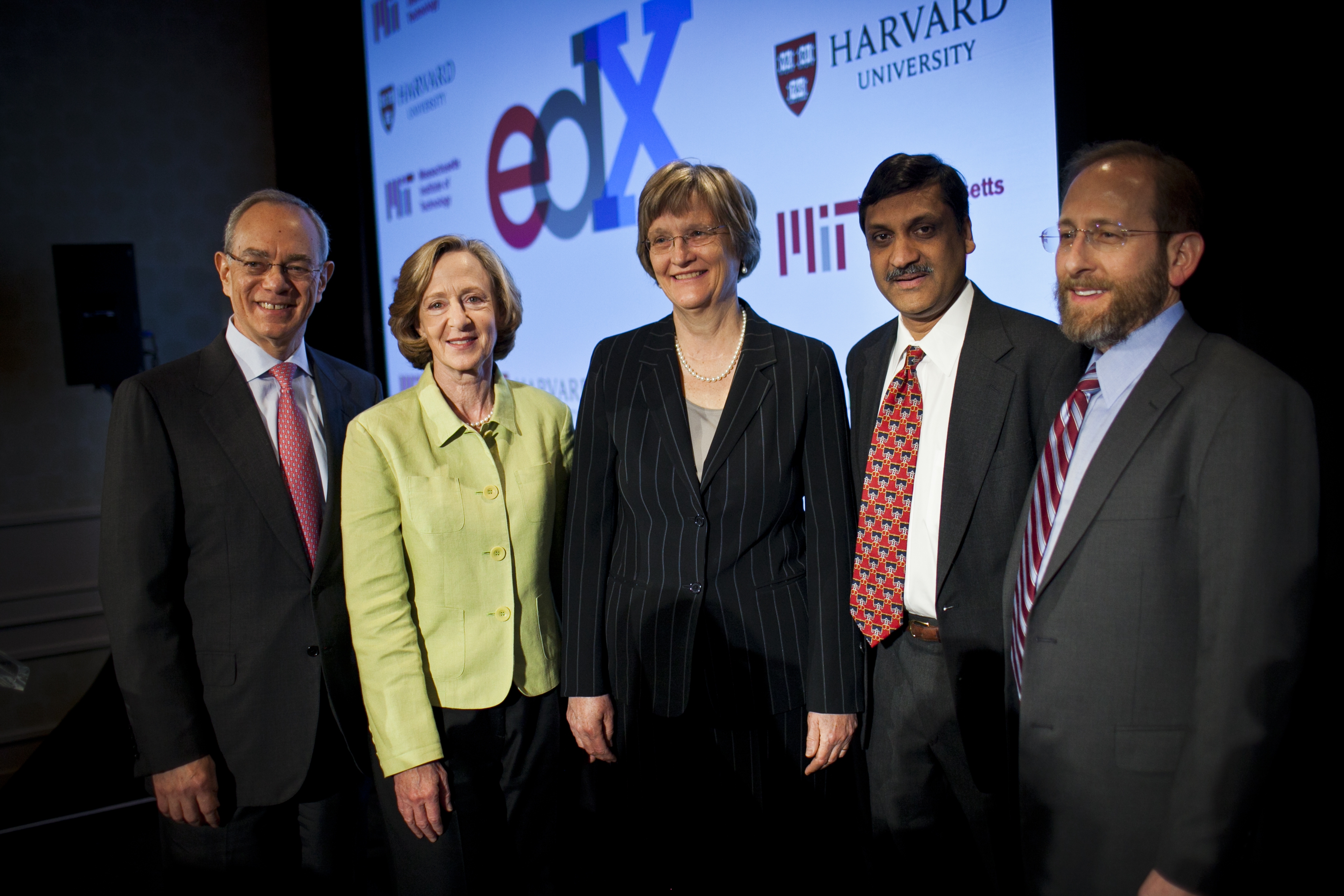
In March 2012, MIT put a course on circuits and electronics online. Almost 155,000 people registered. The classroom had suddenly acquired the population of a small city, without acquiring another chair. Two months later, Harvard and MIT announced edX, with $60 million in combined commitments and a proposition that sounded almost mischievous: university learning, available to anyone with an internet connection.
- Many courses are free to audit. Assessment and credentials usually cost extra.
- Universities and industry partners supply the teaching and institutional credibility.
- 2U bought edX’s assets for $800 million in 2021.
- The current push favors shorter credentials and practical AI skills.
The more revealing number arrived after the registrations. Roughly 23,000 people attempted the first problem set. By the end, 7,157 had passed. An open door had solved the problem of entry. It had left the problem of learning very much alive.
The lecture is only the beginning
Today, edX is a marketplace for education: individual courses, Professional Certificates, MicroBachelors, MicroMasters, executive education and university degrees. Harvard’s CS50 and IBM’s data science programs sit within the same broad catalog. The customers include curious beginners, working adults changing direction, degree seekers and employers buying training for teams.
That breadth matters because these people are buying different things. One wants to understand Python. Another needs assessed evidence of a skill. A third wants academic credit. Treating those purchases as interchangeable is how an inexpensive course becomes an expensive misunderstanding.
On many courses, the free audit track provides temporary access to learning materials, without graded assignments or an edX certificate. Payment buys additional assessment and the opportunity to earn the credential. The useful distinction is between access to an explanation and evidence that you can use it.
Individual-course certificates start around this level. Professional Certificate programs start around $500. Actual prices and inclusions vary.
MicroMasters programs add another possibility: graduate-level work that may count toward a later degree. The small print is the product here. Universities set admission and credit conditions. A credential does not guarantee entry, and transfer rules deserve checking before the first payment. Universities award the degrees; edX provides the route to their online offerings.
Compared with a general skills marketplace such as Udemy, edX’s distinguishing proposition is its concentration of university and institutional partners. Coursera is a closer comparison. The useful shopping question is which provider offers the particular assessment, curriculum and credit arrangement you need.
The $800 million change of mind
For the institutions, the original bet extended beyond distribution. Short videos, embedded quizzes, immediate feedback and virtual laboratories offered ways to study learning itself. A classroom that records interactions can help reveal where students struggle, rather than waiting for the final exam to announce the damage.
But free distribution still has expenses. In 2021, MIT president Rafael Reif explained the pressure behind a striking decision. The pandemic had accelerated online learning and investment in commercial competitors. The nonprofit edX faced a financial disadvantage. Harvard and MIT agreed to transfer its assets to 2U for $800 million.
The transaction split a familiar name from its original governance. The commercial platform continued under 2U. The nonprofit successor, now Axim Collaborative, retained stewardship of the Open edX project. Confusing edX.org with Open edX obscures the deal’s most consequential detail: the marketplace and the open-source mission now have different stewards.
“We will not water down the courses.”
Anant Agarwal, discussing the early experiment, 2012
Then the buyer needed its own repair. In July 2024, 2U entered Chapter 11 with a plan to reduce debt and bring in new capital. It emerged in September as a private company. A large audience had not insulated the parent from financial distress. The episode makes edX’s economics more interesting than a simple tale of putting lectures on the web.
The business now combines paid learning products with organizational plans. Enterprise buyers can purchase course libraries, academies and executive education. Universities contribute academic expertise and trusted names; the platform brings discovery and distribution. In the wider 2U business, program delivery and marketing services also support university partners.
A shorter course, a harder test
December 2024 brought another reversal. 2U announced it would move away from traditional boot camps toward shorter technical microcredentials combining live teaching and asynchronous work. Its explanation was unusually concrete: weaker demand for entry-level technology roles, more experienced candidates available, and growing competition from shorter, cheaper learning options.
That decision identifies a condition under which the model struggles. Intensive career training needs employers who want its graduates. When hiring changes, a recognizable university name cannot repair the mismatch by itself.

The newer partnerships make the response visible. In September 2026, edX announced expanded Google Cloud training and a CodeSignal partnership covering more than 400 practice-based courses, with rollout continuing through year-end. Those courses put learners into working environments to practice tasks, supported by an AI tutor. The emphasis is moving toward what someone can demonstrate.
There is a similar constraint inside companies. An October 2026 NewtonX study with edX Enterprise surveyed 507 learning and workforce leaders. While 83% prioritized AI capabilities, only 29% reported mature capabilities. The research points toward management support, capacity and measurement as conditions for progress. Buying a catalog is only one part of teaching a workforce.
For an individual, the useful lesson is smaller and copyable. Audit a course where available. Attempt the work. Find out whether your week has room for it. Then pay for the evidence or pathway you actually need. edX reports a learner network exceeding 100 million people. The consequential moment remains much quieter: someone closes the video, opens the problem set, and starts.