The revealing detail in DynaTech’s eyewear retail case study is the remake. A customer returns. A pair of glasses needs remaking. A transaction that looked finished suddenly needs unwinding. Across more than 330 stores, those small reversals become an accounting and integration problem. The software has to understand what happened at the counter, what happened to the stock, and what should happen to the money.
- DynaTech connects Microsoft business software to the operations around it.
- Its customer accounts describe payments, storefronts, warehouses, and the awkward exceptions between them.
- It sells implementation and ongoing support, with reusable tools for recurring problems.
DynaTech says its work for that unnamed retailer included repairing point-of-sale integration, improving data ingestion, reconciling franchise postings, and correcting refund and remake logic. There were warehouse errors and payment failures to address, too. The assignment used managed services and successive development sprints. An installed system still had plenty of unfinished business.
01 A business in the handoffs
This is a useful way into DynaTech Systems. The consultancy works across Microsoft Dynamics 365, Azure, Power Platform, and Microsoft Fabric. Dynamics handles business functions such as finance, supply chain, sales, and service. Azure supplies cloud infrastructure and integration tools. Power Platform adds applications, workflows, portals, and reporting. Fabric addresses the data underneath analytics and AI.
A buyer might hire DynaTech to migrate an older Dynamics AX system, implement new finance processes, connect a storefront, or support an existing deployment. The common task is making separate pieces behave like one operation. A warehouse should receive the right instruction. Finance should recognize the right amount. Customer service should see the same order the customer sees.
Its customer stories describe manufacturers, distributors, retailers, healthcare organizations, education businesses, and nonprofits. These buyers share operational complexity more than an industry label. Their problems involve departments, locations, legacy systems, and exceptions that refuse to fit the neat diagram from the kickoff meeting.
02 The invoice has a social life
Consider DynaTech’s account of a US specialty food manufacturer. Brokers needed order updates, commission information, and invoices. Finance and Sales were doing the coordination manually. Each request created another handoff. The company built a Power Pages portal connected to Dynamics 365, with a commission-reporting API and invoice PDFs stored in Azure Blob Storage.
That changed the interaction: a broker could look up information and download an invoice rather than request an extract by email. Authorized managers could work across multiple broker accounts. The important design choice was who could retrieve which information, and from where. A portal becomes useful when its permissions and records match the business relationships outside it.
A dairy cooperative presented another version of the same problem. DynaTech describes connecting customer engagement software to Finance, ingesting daily bank files, validating records, and automating payment journals and settlements. Its published account puts annual customer payments above 45,000. Error logs captured exceptions. Automation still needed somewhere for the awkward cases to go.
03 Build once. Connect again.
Repeated problems also explain DynaTech’s product catalog. Its E-commerce Connector supports platforms including Shopify, Magento, WooCommerce, and BigCommerce. The job spans orders, inventory, pricing, customers, and fulfillment. As its product page puts it, When e-commerce and ERP systems operate separately, issues show up quickly.
One customer account describes more than 20 brand storefronts connected to Dynamics 365 through Power Automate and custom web services. Partial shipments, cancellations, and returns all mattered. Another describes an e-learning business migrating from AX, with an Azure Function App hub connecting more than 15 APIs across commerce, payments, tax, and fulfillment. The connector is part of a larger operational design.
DynaTech’s Shipping Carrier Connector brings rates, labels, tracking, and related freight workflows into Dynamics. Other accelerators cover manufacturing, vendor collaboration, security, and nonprofit operations. The business combines project delivery, packaged extensions, and continued support. For a buyer, the useful commercial distinction is between work that can be reused and work that must be built for a particular process.
Follow the refund as carefully as the sale.
An editorial test for enterprise software
04 A Microsoft specialist, with company
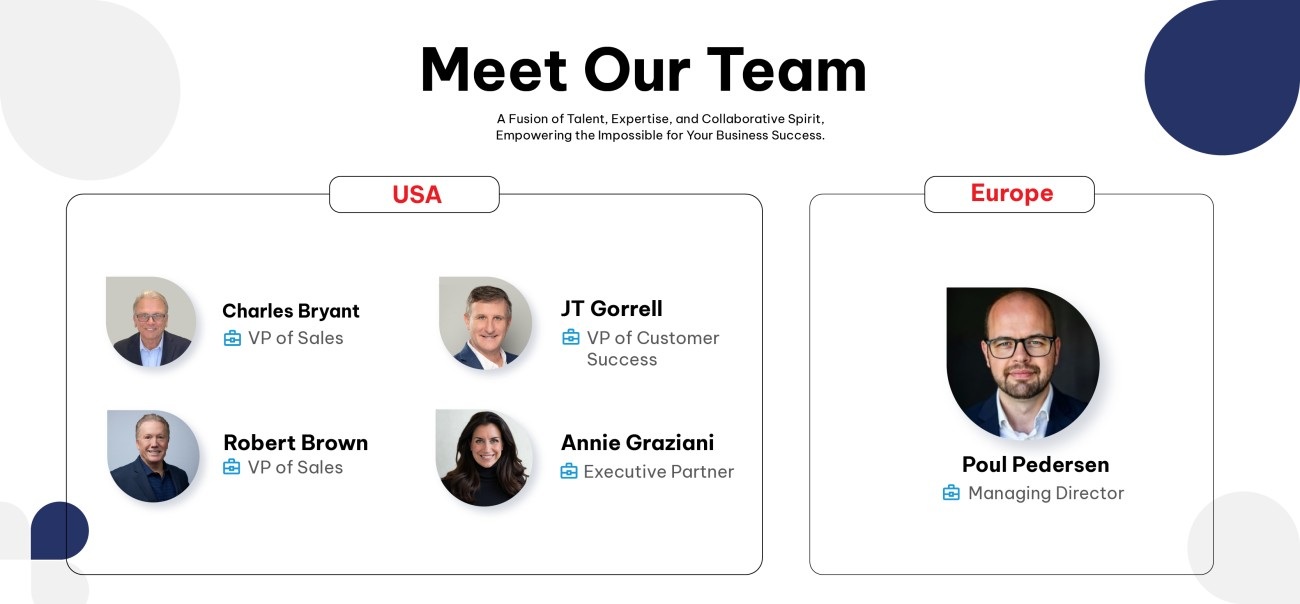
DynaTech’s history includes a 2021 announcement of Microsoft Gold Partner status. Its current positioning uses Microsoft Solutions Partner and AI Cloud terminology. Founder Hardik Patel and co-founder Krunal Patel appear on its leadership page as principal consultants. Their biographies emphasize business applications, finance, operations, and supply chain.
That combination places it among Microsoft-focused implementation and integration firms. Hitachi Solutions, sa.global, and Avantiico offer relevant alternatives. Microsoft expertise alone cannot settle the choice. DynaTech’s particular proposition combines business-process consulting, a catalog of Dynamics extensions, integration delivery, and managed services. The sensible comparison is the proposed team and architecture for your workflow, including support after launch.
05 AI comes back to the records
DynaTech’s 2026 Fabric conference positioning emphasizes governed data and AI-driven master data management. Its FabCon Europe page listed a Platinum sponsorship in Barcelona and described creating trusted records from fragmented information. The emphasis makes sense alongside its integration work: analytics and automated decisions depend on records that departments can use consistently.
The practical lesson for a buyer is to start with one complete transaction. Include the cancellation, duplicate record, failed payment, and retry. Decide who owns each exception and how completion will be checked. This approach assumes the organization can agree on processes and data responsibilities. Buying more integration before resolving those disagreements gives the project more moving parts.
DynaTech is most relevant where Microsoft applications already matter, or where a business is committing to them. A small operation needing a simple standalone tool may have little use for this scope. For a retailer handling remakes, a broker chasing invoices, or a finance team processing bank files, the benefit is concrete: fewer handoffs that depend on somebody remembering to send an email.