Type “car” into a search engine and you have volunteered something valuable: you might want a car. An advertiser can work with that. It does not necessarily need your birthday, yesterday’s browsing, or a theory about your marriage. DuckDuckGo’s proposition begins with this rather ordinary observation. The extraordinary part is how much of the consumer internet has been built around collecting the rest.
- Free search and browsing, funded mainly by ads matched to the current search.
- Tracker blocking, email aliases, and optional AI bring the same promise to other daily habits.
- Paid plans add a VPN and other protections; outside suppliers remain a consequential dependency.
A billboard-sized idea
Gabriel Weinberg launched DuckDuckGo in 2008. Its own history places the decision to stop tracking search history in March 2010. The distinction matters: the familiar positioning emerged after the product. In January 2011, a billboard put the proposition into eight words: “Google tracks you. We don’t.” You could understand the company before the traffic light changed.
Weinberg worked alone for years. Union Square Ventures announced its investment in October 2011; the first employee, Caine Tighe, arrived that November. The early challenge was choosing what a small company could afford to build. In a March 2026 conversation with Tighe, now CTO, Weinberg recalled setting aside a full web index because it was too expensive for one person.

The money is in the question
Instead, DuckDuckGo combined other sources with its own answers and privacy protections. Today, its documentation says traditional links and images largely come from Bing. Specialized sources, its own crawler, and its own indexes supply other pieces. That makes it a competitor with a complicated relationship to the incumbents: Microsoft is both an alternative and an essential supplier.
The advertising arrangement follows the same practical logic. Most revenue comes from sponsored search links. A car query produces car ads. Microsoft’s advertising network manages most ad clicks, under commitments described by DuckDuckGo that prohibit associating those clicks with a user profile. Advertisers buy the moment when someone asks. DuckDuckGo avoids having to sell a biography alongside it.
No personal advertising profile required.
This can support a business. In June 2021, DuckDuckGo said it had been profitable since 2014 and exceeded $100 million in annual revenue. Those are historical disclosures. Its current press page reports three billion monthly searches. Searches measure activity; they do not count individual people. The distinction is particularly appropriate for a company that promises less observation.
The advertiser buys the moment when someone asks.
Privacy has to survive the next click
A private search box solves only the first part of a browsing session. Click a result and you enter someone else’s website. DuckDuckGo expanded into a mobile privacy app and browser extension in 2018, a Mac browser beta in 2022, and Windows in 2023. Its free browser now spans those desktop systems, iOS, and Android, putting protections into the thing people already open.
For ordinary users, this means less setup. The browser blocks tracking requests and manages cookie pop-ups. Its Fire Button clears browsing data. Email Protection supplies forwarding addresses that remove hidden trackers before messages arrive in an existing inbox. You can protect another part of your routine without persuading everyone you know to learn a new address.
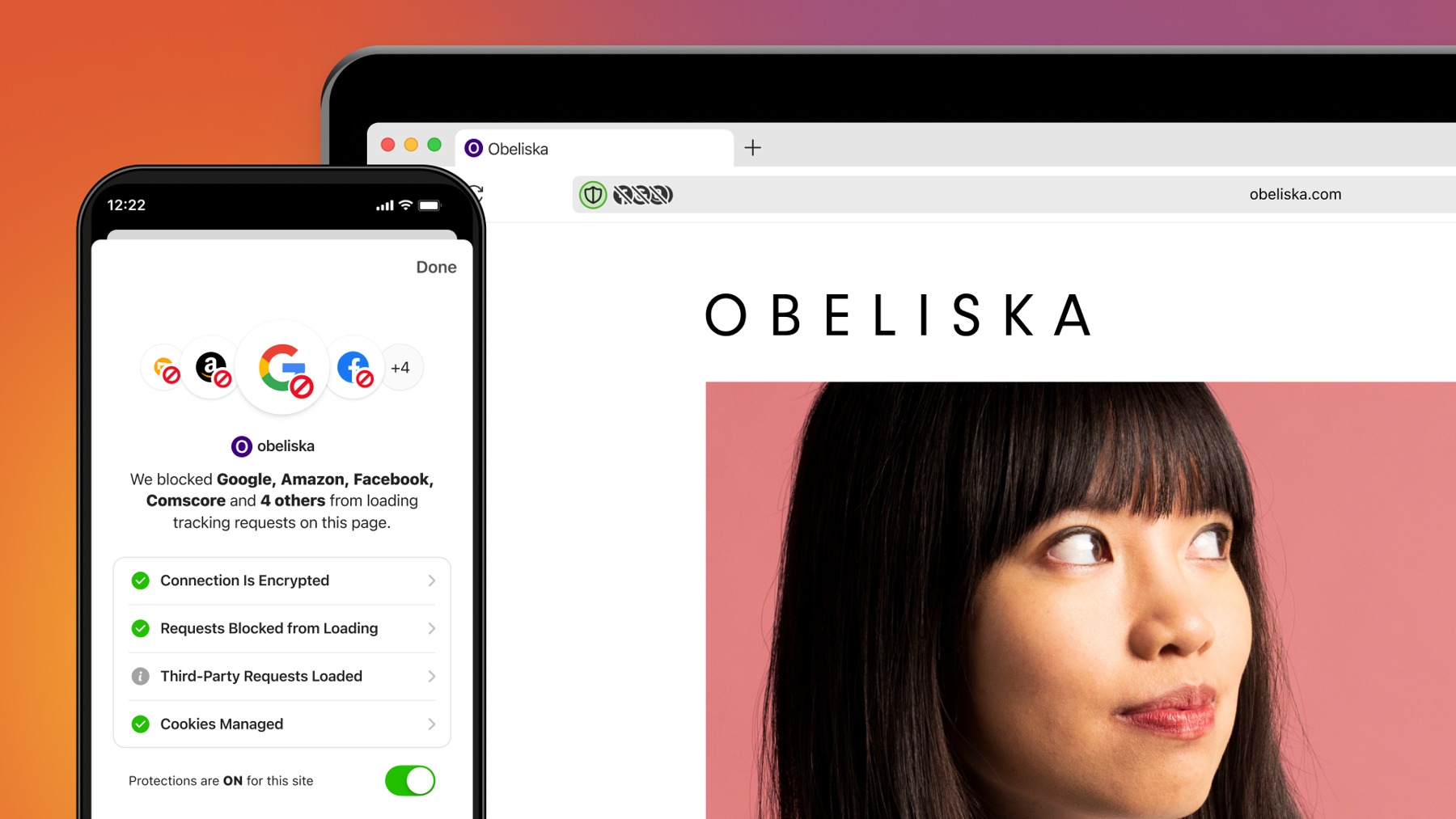
Convenience is doing serious commercial work here. The intended customer wants fewer companies watching an everyday activity, without turning browser settings into a hobby. Google and Bing compete for searches; Chrome, Safari, Firefox, and Brave compete for browsing. DuckDuckGo’s distinctive pitch is to package private search with protections that continue after the results page.
The exception people noticed
In 2022, that promise met an awkward exception. A Bing-related policy requirement had limited DuckDuckGo’s ability to block certain Microsoft tracking scripts on third-party websites. Other protections still applied, but users had expected more. In August, Weinberg acknowledged the gap and announced expanded Microsoft script blocking after that restriction was lifted.
The company also published its tracker protection list and added explanations to its dashboard. Its announcement described a remaining allowance for Microsoft conversion measurement following DuckDuckGo ad clicks. Privacy had contractual edges. The useful lesson for another business is specific: inspect the supplier agreement behind the customer promise, then give customers enough detail to inspect your response.
The expensive idea comes back
The next expansion costs actual subscription money. Privacy Pro launched in April 2024 with a VPN, personal information removal, and identity theft restoration. Advanced AI access joined later. In March 2026, DuckDuckGo announced Plus at $9.99 monthly or $99.99 annually, and Pro at $19.99 monthly or $199.99 annually in the U.S. Features and availability vary by region; information removal is U.S.-only.
Duck.ai routes conversations to outside AI providers while obscuring the user’s IP address. DuckDuckGo says chats are not used for model training. The AI features are optional. October 2026 brought encrypted chat-sharing links, expiring after 48 hours by default. Recipients can still save what they read. Encryption cannot make another person forget.
And the abandoned index? In March 2026, Weinberg and Tighe described building a full web index again, already serving some traffic for their AI-related needs. Search Assist and Duck.ai need material from the web. The company now has products that can use the index and a way to learn from results. What was unaffordable for a lone founder has acquired a reason to exist.
There are limits to copying this business. Contextual advertising needs searches with commercial intent and enough volume. Supplier dependence constrains control. Private browsing cannot erase what you tell a website after logging in. The transferable idea is narrower, and useful: decide what information a transaction actually needs, make the less intrusive choice easy, and build the economics around that choice.