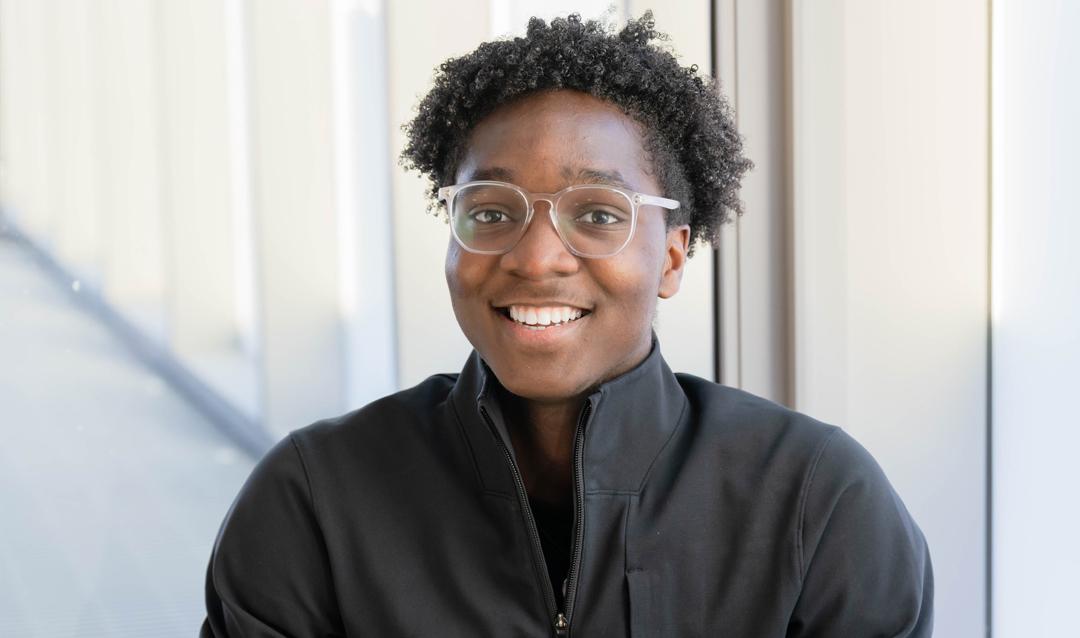
The bank account was supposed to be the easy part. Abdulrasaq Amolegbe, known as Dulra, had moved from Nigeria to study in South Africa. He applied for an account and brought the documents. More than two years later, he told Lehigh University, he was still waiting to hear back. Meanwhile, life required payment. A delayed banking decision could dictate what a student could buy, where they could shop and how much cash they had to carry.
- The idea: turn cash deposited at a shop into money a student could spend digitally.
- The audience: immigrant students in South Africa, starting with a specific banking obstacle.
- The ending: student pilots and early funding, followed by a shutdown amid regulatory challenges.
Dot grew from that uncomfortable wait. Amolegbe began developing the company in 2021, while attending the African Leadership Academy in Johannesburg. His classmates provided a useful reality check: the difficulties extended beyond his own application. A student could arrive with money and still struggle to participate in the financial life of the country where they were studying.
A banknote meets the internet
Consider the small absurdity at the center of the proposition. A banknote buys things. A phone connects to shops. Put them beside each other and an online checkout can still refuse you. The missing piece is a way to move value between the two.
Dot’s answer began at a retail till. Its planned service connected cash deposits to a digital wallet, with a virtual card for online purchases and transfers between users. The African Leadership Academy’s 2023 account described those tools as a way around needing an existing in-country bank account or payment card. For a newcomer, that changed the sequence: start with the money you already have.
The intended user was unusually specific. Dot’s initial focus was immigrant students, with underserved local students as a secondary audience. Amolegbe’s longer ambition included immigrant workers and asylum seekers. Starting with students gave the company a concrete place to listen, test and recruit, rather than treating financial exclusion as one enormous, uniform market.
The cashier was part of the interface
In its MIT Solve submission, Dot named Ukheshe as the infrastructure partner enabling cash funding through more than 1,500 Pick n Pay stores. Think of the shop as the physical end of the app. Software supplied the wallet; an existing retail network supplied somewhere to hand over a banknote.
- 01Hand over cashParticipating retail till
- 02Fund the walletPartner payment infrastructure
- 03Spend or sendVirtual card / peer transfer
That arrangement explains Dot’s position in the market. Its appeal depended on admitting a customer who could struggle to get started with conventional banking. A bank account or an existing payment card was an alternative for someone who could obtain and use one. Dot organized its proposition around the person still waiting outside that process.
Amolegbe called it an “electronic adapter”. The metaphor earns its keep. An adapter connects two systems that already work separately. The product’s usefulness comes from the connection, including the awkward physical and institutional bits that disappear when someone finally makes a payment.
Two minutes on stage. Years behind the scenes.
The company accumulated support while Amolegbe was at Lehigh. University mentoring helped him narrow his ideas into a clearer direction. Lehigh Ventures Lab offered workspace and coaching; its weekly Founders Circle gave him other entrepreneurs to work through problems with. The practical benefit was time and a place to build while studying.
In October 2023, Dot won three StartUp Lehigh Valley awards totaling $7,500. The competition gave founders two minutes to pitch. Amolegbe said the money would help “overcome some of the regulatory challenges”. That comment now reads like an early signpost. The operating challenge was already there, alongside the product story.
“electronic adapter”
Dulra Amolegbe’s description of Dot
Other programs widened the circle. Dot appeared in the Visa Inclusive Fintech Accelerator’s founder roster, and Future Founders selected Amolegbe for its 2024 fellowship. These connections offered access to people and institutions a small student venture would otherwise have to find one conversation at a time.
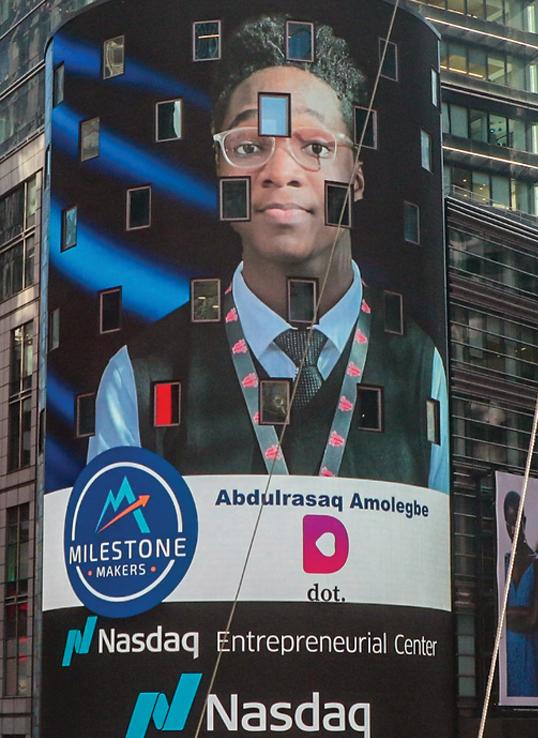
Then came an announcement that seemed to move a major obstacle. In October 2024, Amolegbe reported banking sponsorship approval. He traced the partnership conversations back to grade 12, recalling executives’ surprise when they discovered the person writing technical emails was a high-school student. His next steps included launching live and opening a pre-seed round.
The permission had to last
Dot’s economics also required a connection: between the cost of serving excluded customers and what those customers could pay. Its published business model proposed monthly subscriptions, transaction fees and paid features for schools and e-commerce sellers. The commercial question was whether the convenience justified those charges for students already navigating financial constraints.
A later Lehigh Future Makers Society account reported more than $150,000 raised over three years and revenue from student pilots. It also reported the ending: Amolegbe shut Dot down amid regulatory challenges. The sponsorship announcement had marked progress. The broader task of sustaining a financial service remained.
Raised before closure, alongside revenue from student pilots.
The useful lesson is visible in that sequence. A founder can copy Dot’s habit of starting with one blocked transaction, identifying a narrow audience and assembling existing infrastructure around it. The same approach depends on partners, permissions and fees that work together. If any of those conditions fails, a tidy payment flow on a screen cannot carry the business.
By May 2026, Lehigh was profiling Amolegbe’s separate new venture, Carmel Labs. Dot’s story remained attached to a simpler question: how does someone holding cash become someone who can pay online? Any company trying to answer it needs to design the journey all the way from the till to the institutions allowing the transaction.