In the beginning there were two boys from Knoxville and one oddly durable idea. Joseph Nother could see what things ought to look and feel like. Brandon Rochelle could see how technology might make them work. They were childhood friends, still finishing college when they started Designsensory in 2001, and the small difference between their talents became the whole point of the company.
At the time, “design” and “technology” often lived in separate offices, spoke separate dialects and blamed each other when the website looked handsome but behaved badly. Nother and Rochelle put both crafts at one table. Tennessee’s tourism department eventually trusted the young firm with its website, then gave it more work. Rochelle later called that account a turning point. Tourism became an early specialty, but the more important lesson was structural: when the people shaping the promise sit beside the people building the delivery, fewer useful ideas get lost in translation.
“The industry was needing a combination of technical expertise and design aesthetic for our company to differentiate.”Brandon Rochelle, 2015
The handoff is the enemy
Today Designsensory sells a broad custom service: research, brand strategy, advertising, websites and ecommerce, media, social, live experiences, public relations, video, podcasts and original entertainment. This sounds like the familiar agency claim to do everything. The distinction is in how the pieces are arranged. Designsensory’s portfolio repeatedly begins with audience research, carries one central idea through creative and technology, then uses media and production to put it into the world.
One idea, fewer translations
Consider Zoo Knoxville. What began in 2016 as a capital campaign grew into an agency relationship spanning paid, earned, shared and owned channels. Designsensory rebuilt the zoo’s digital story and ticketing path, made campaigns around dinosaurs and extinct predators, and produced an educational series about endangered animals. The agency reports annual visitation rising from roughly 400,000 to 600,000. For the “Dawn of the Dinosaurs” campaign, Meta clicks rose 169 percent, click-through rate rose 180 percent and cost per click fell 66 percent.
Dawn of the Dinosaurs · reported change
That is the integrated pitch in miniature. The dinosaur is the spectacle; the ticketing system is the plumbing; the media plan brings the family; the conservation message gives the visit a reason to matter. A specialist can do any one of these jobs. Designsensory wants responsibility for the connective tissue.
Make a show, not another post
The company’s most revealing expansion was into things people might choose to watch or hear. In 2013, the founders and producer Bryan Allen formed PopFizz Productions. Its early work included Tennessee Uncharted, a half-hour PBS series. That move eventually led beyond campaign videos to documentaries, reality formats, digital series and podcasts.
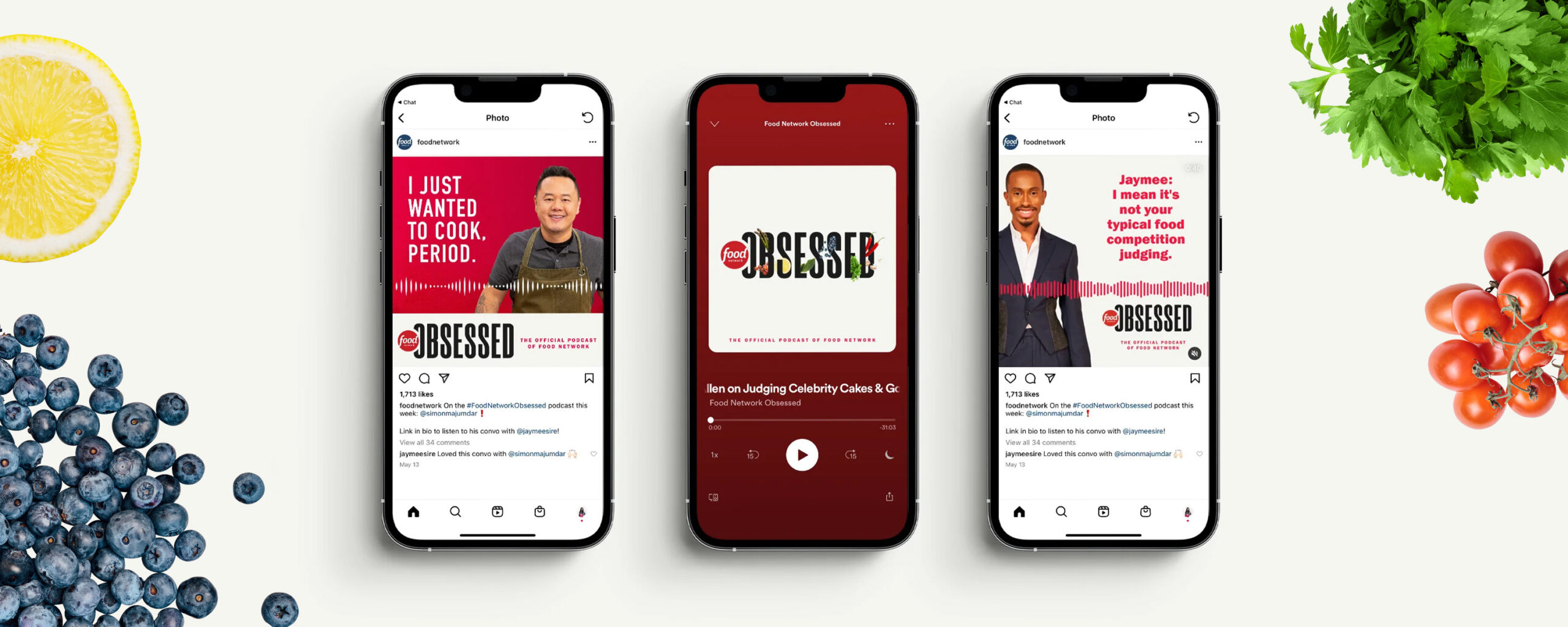
Food Network Obsessed is the clearest result. Created as Food Network’s first podcast when Discovery was introducing discovery+, it offered interviews with chefs and culinary personalities rather than repackaged television audio. The show has run for more than 180 episodes and 16 seasons, earned a 4.7 rating from more than 440 reviews, and won the 2025 Webby People’s Voice Award in Podcasts: Television & Film. The interesting number is not the trophy. It is 180. A campaign disappears when the buy ends; a good format keeps furnishing new rooms.
In August 2025, Nother and Rochelle bought Allen’s remaining stake in PopFizz. They kept the production company operating independently, but pulled it closer to Designsensory’s strategy and brand work. The following February, Designsensory integrated Ackermann Marketing & PR, a Knoxville communications firm founded in 1982. Ackermann brought crisis work, executive counsel, earned media and four decades of relationships. The house had acquired another room - this time for credibility.
The useful failure in the portfolio
Agencies prefer case studies with arrows pointing up. Designsensory leaves one oddity in public view. For Bristol Motor Speedway it developed Street Fights, a raw docuseries about underground combat culture. It never aired. The company’s own account wonders whether it was too intense, too real or simply early. There is no conversion chart, because there was no audience.
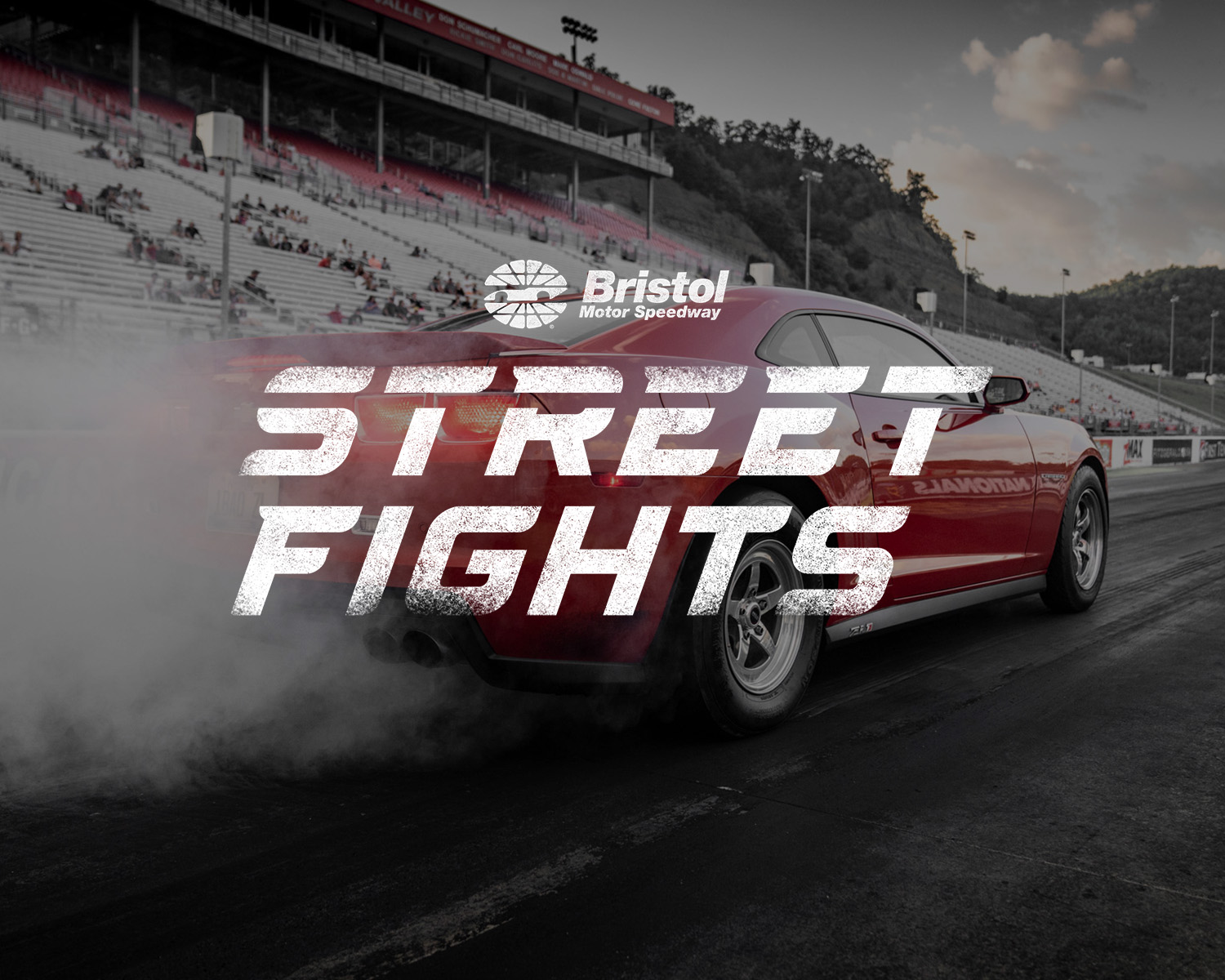
The useful part is what the failure did not change. Designsensory continued treating branded content as something that should compete with entertainment, not interrupt it. The later proof arrived in podcasts, episodic tourism films and social series. The company did not copy the failed format. It kept the underlying conviction and found a better match between story, audience and distributor.
What the buyer is actually buying
There is no public rate card. Designsensory sells custom projects, retained programs and agency-of-record relationships. Its own case studies sometimes disclose media or performance figures, not agency fees. Zoo Knoxville’s profile, for instance, cites $2 million in paid media across the relationship. That number is the distribution budget, not the price of Designsensory.
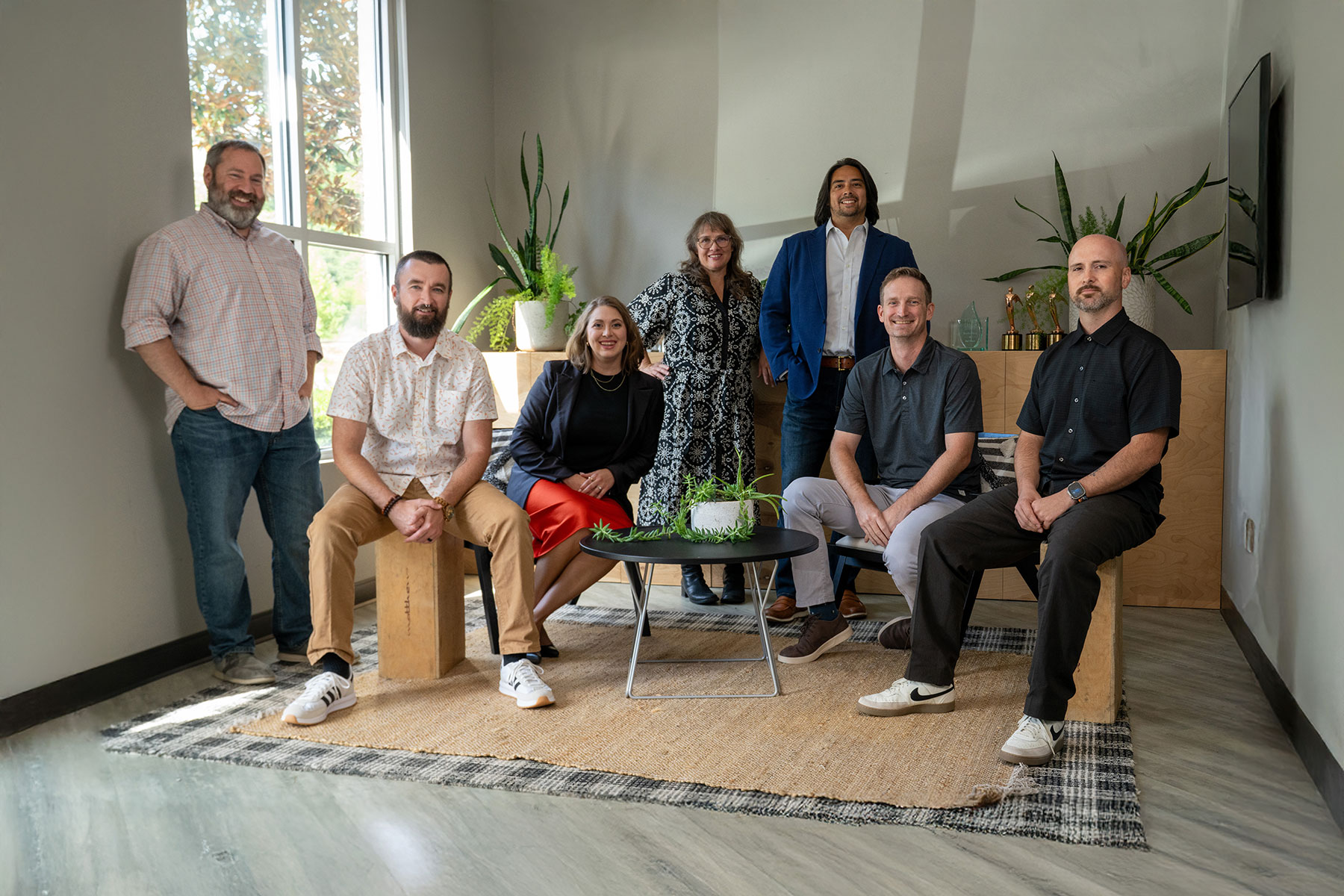
Customers include Food Network, Regal Cinemas, Bush’s Beans, Tennessee economic-development and tourism agencies, Zoo Knoxville, Old Dominick Distillery, USA Fencing and the Volunteer Club. The work sits between a specialist studio and a giant agency network. It is large enough to build a platform or place media, but small enough - more than 35 people by its own description - for the disciplines to remain within conversational distance.
Worth copying
- Pair unlike skills at the start, not at approval.
- Let one audience insight govern every channel.
- Build repeatable formats, not only launch assets.
- Label media spend and agency fees separately.
The catch
- Integration fails when departments protect turf.
- A narrow task may be cheaper with a specialist.
- Bold formats still need the right distributor.
- One agency cannot replace decisive client leadership.
In summer 2026, the model was compressed into six weeks. Tennessee needed an America 250 pavilion for the Great American State Fair on the National Mall. Designsensory and fabrication partner Graphic Creations built an Opry-like stage around a 10-by-26-foot LED wall. The screen placed visitors inside Tennessee’s landmarks and musical stages, turning the selfie into distribution. The activation drew roughly 420,000 visitors and won Best in Show.
A booth, the company observed, gets about three seconds to earn a fourth. That is also a tidy description of modern marketing. Research can tell you who is walking past. Design can make them stop. Technology can let them enter. Media can extend the moment. PR can give it authority. Production can turn it into something worth watching later. Designsensory’s wager is that these are not separate products at all. They are consecutive seconds.