A bag of sugar is an unlikely invitation to a social network. Yet that was part of DealShare’s proposition: find a bargain on something ordinary, pass it to someone you know, and make shopping cheaper together. A grocery purchase became a reason to open a conversation. For households watching every rupee, the attraction was easy to understand.
- DealShare brought everyday groceries to shoppers through familiar social habits and regional brands.
- Fast adoption ran ahead of retention and the margins needed to sustain expansion.
- By September 2026, reporting described a largely halted online business and roughly 22 physical stores.
The shop was already in their pocket
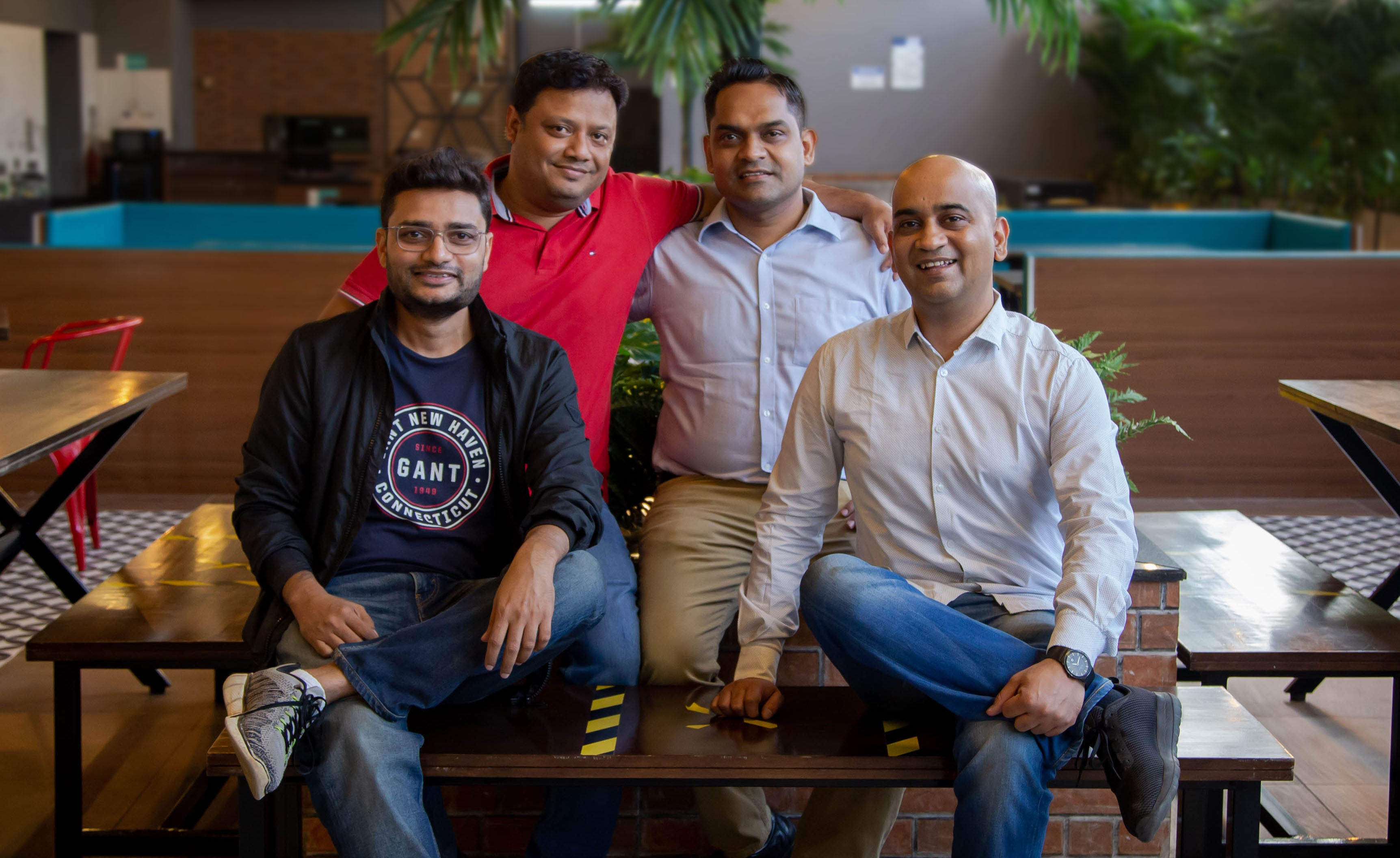
Founded in Jaipur in 2018 by Vineet Rao, Sourjyendu Medda, Sankar Bora and Rajat Shikhar, DealShare addressed a customer whom mainstream ecommerce had not served particularly well. This shopper might be comfortable forwarding a WhatsApp message while remaining unfamiliar with buying groceries through an app. The founders started with the behaviour that already existed.
Their merchandise was equally familiar: groceries, snacks, soap, cleaning products, buckets and mops. Regional suppliers mattered. A local brand could be perfectly acceptable to a household that saw little reason to pay extra for a nationally advertised alternative. DealShare connected those manufacturers to buyers, with discounts that could deepen when friends and family joined in.
That made the company more than a digital catalogue. It assembled a route to market: suppliers on one side, households on the other, community relationships in between. Its historical DealShare Dost network used local micro-entrepreneurs in distribution. Trust and logistics could travel through people already known in a neighbourhood.
suppliers
demand
distribution
savings
The useful distinction is between a referral and a reseller. DealShare’s household customer was buying products for use, while sharing could help generate demand. The company carried inventory and earned money by selling goods. Someone still had to buy the stock, store it and deliver it. The group chat was only the beginning of the transaction.
The second order is the expensive one
Investors liked the scale of the opportunity. A $21 million Series C arrived in December 2020, followed by a $144 million Series D in July 2021. In early 2022, the Series E reached $210 million after a $45 million extension from an Abu Dhabi Investment Authority subsidiary. That financing valued DealShare at $1.7 billion.
By February 2022, the company said it had reached more than 10 million customers in over 100 cities. Those were historical reach figures, rather than a count of people placing profitable orders today. The distinction matters because the customer who accepts a bargain has answered a different question from the customer who returns regularly.
“We aim to democratize online shopping.”
Vineet Rao, February 2022
In 2023, Medda identified the operational trouble plainly in an interview: retention was weaker than the model required, the product margin mix was not improving quickly enough, and supplying kiranas needed more investment than expected. DealShare had won attention. Converting that attention into a sustainable pattern of purchasing was taking longer.
The company shut its business-to-business division, which sold goods to neighbourhood retailers. That removed a source of purchasing volume, but also a business with difficult economics. A September 2023 report described 130 layoffs associated with the closure. DealShare concentrated on Rajasthan, Uttar Pradesh, West Bengal and Delhi NCR, rather than continuing its earlier spread.
The bill was substantial. Reported FY22 losses were ₹431 crore. Money raised is not the same thing as money spent, and a valuation is neither of those. Together, the financing and losses show the scale of the experiment, while the layoffs show a cost that a funding headline cannot express.
Two hours, three baskets, one rider
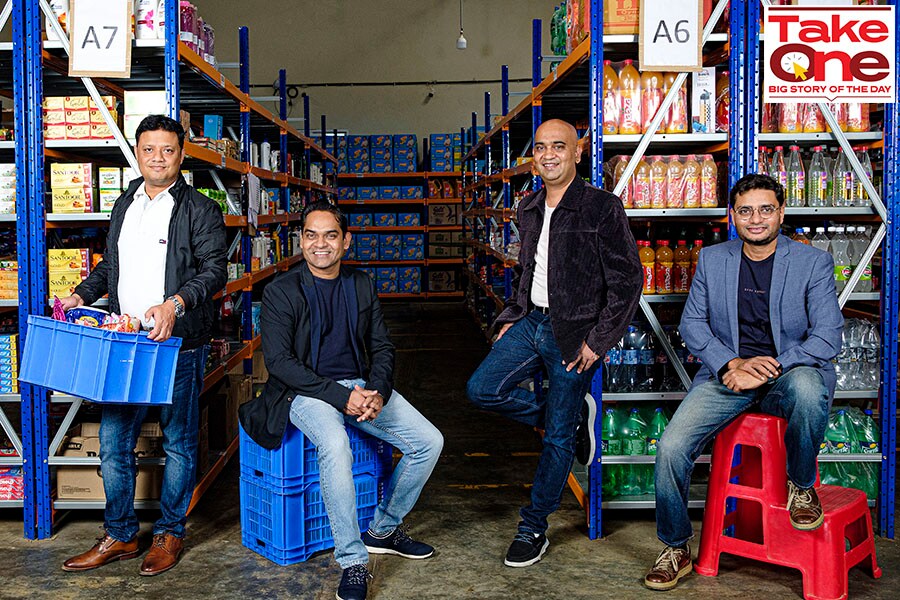
By November 2025, chief executive Kamaldeep Singh was describing another version of the business. It offered two-hour delivery and bundled two or three orders per trip. Private labels made up about 30% of non-perishable product lines. The aim was to give shoppers savings while leaving more room to cover operating costs.
An investment figure, not a claim of profitability.
Singh positioned the service between quick delivery and value supermarkets. Compared with Blinkit or Zepto, the selling point was a cheaper basket with a longer wait. Compared with a trip to DMart or Reliance Smart Bazaar, it offered delivery. That position depended on customers accepting the trade-off and enough nearby orders sharing the journey.
The next shop has a front door
The financial picture remained smaller. Operating revenue fell from about ₹499 crore in FY24 to ₹432.4 crore in FY25. Losses narrowed to roughly ₹87.7 crore. Reducing a loss is useful; it does not establish that the remaining business has found a repeatable way to grow.
September 2026 reporting said online fulfilment had largely stopped, about 22 physical stores remained open, and expansion had paused. It also described discussions involving Truemeds. Those were reported talks, not a completed acquisition. For a shopper, the immediate implication is practical: an available app should not be mistaken for an available delivery service.
For a retailer, the part worth copying comes earlier. Start with familiar buying habits. Source products customers actually want. Measure repeat orders and the money left after fulfilment before adding cities. Social sharing can help where neighbours trust one another and suppliers reward volume. It becomes less useful when promotions attract occasional bargain hunters or small, scattered baskets make delivery costly.
DealShare’s original insight survives its changing business: a household grocery bill deserves serious attention. The harder insight concerns the seller. Every saving promised to the shopper has to fit inside an order that the retailer can afford to fulfil again.
Follow the grocery trail
The 2021 Dost video and 2022 founder interview describe earlier versions of the business.