Dave Duffield had already built PeopleSoft when he sat down with Aneel Bhusri at a diner near Lake Tahoe in 2005. Oracle had acquired their old company. They had experience, money and an excellent excuse to stop. Instead, over brunch, they began discussing a new business. Some people leave a restaurant with a doggy bag. Duffield and Bhusri left this chapter of their lives with the beginnings of Workday.
The setting suits him. A diner is a practical place to discuss practical software: the systems that pay employees, keep accounts and allow a large organization to get through Tuesday. Duffield’s career has repeatedly returned to those jobs. He has spent decades finding opportunities in work that rarely attracts an admiring crowd but attracts considerable attention when it goes wrong.
By then, he was 64. The familiar startup photograph tends to feature someone young enough to consider an office sofa acceptable accommodation. Duffield brought a different sort of equipment: years of product decisions, former colleagues who knew him, and a partner who understood both his strengths and his habits. Workday was founded in March 2005. Its founders were starting a company, with all the uncertainty that entails, after already learning how much one can demand.
The question was whether enterprise software could be rebuilt for delivery through the cloud. Their earlier success did not settle that question. It gave them a reason to take it seriously. And for Duffield, the attraction of returning to work was quite literal. In a Cornell class reunion account, he explained that an attempt to retire had gone badly. He liked working, wanted his younger children to see him doing it, and remained interested in helping businesses operate more effectively.
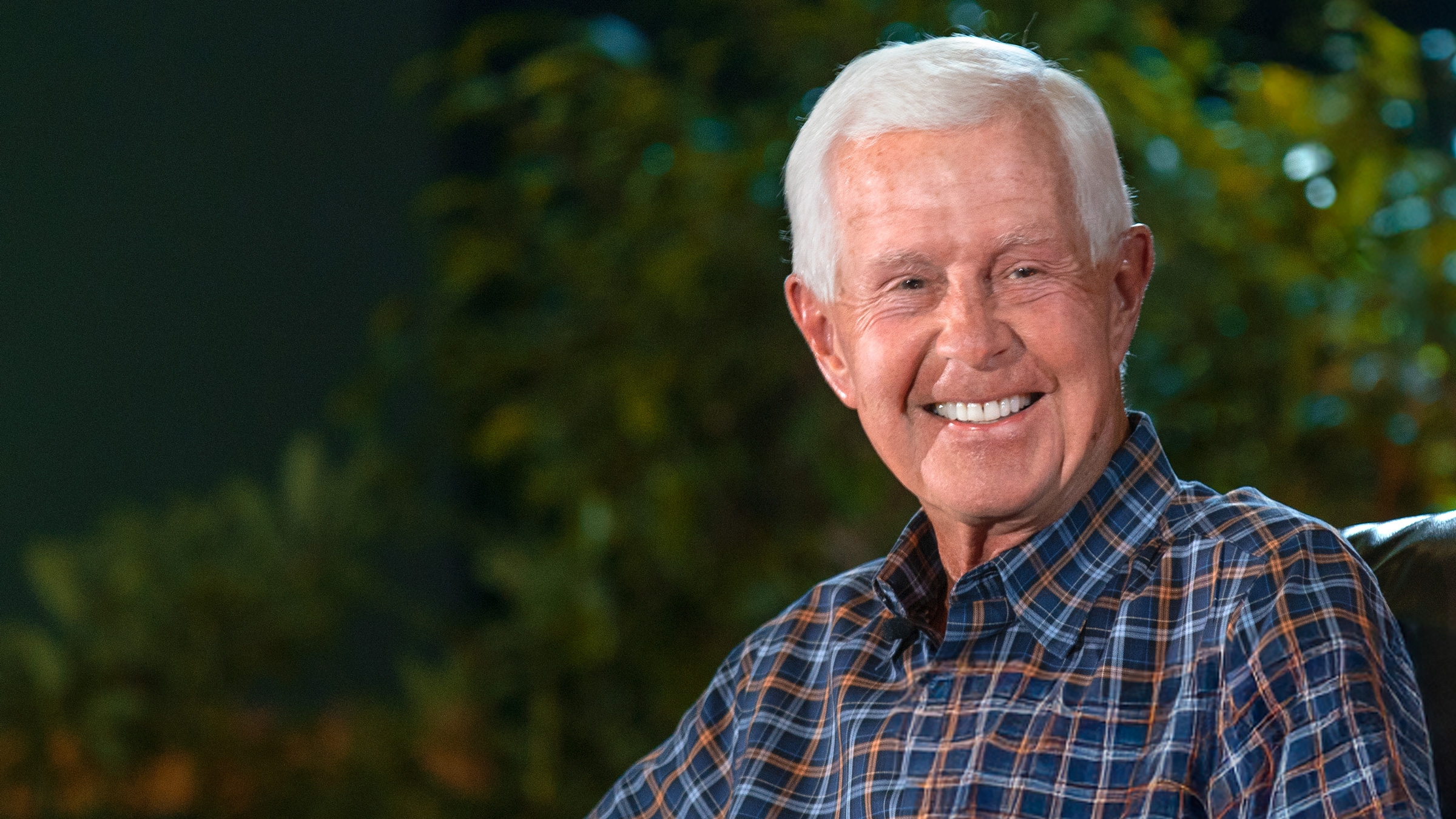
Before the cloud, the punch cards
Duffield was born in Cleveland in 1940 and grew up in Ho-Ho-Kus, New Jersey. His early commercial activity included Christmas cards, lawn mowing and selling gladiolas. Looking back, he admitted charging too much for the flowers. It is a pleasingly specific beginning for someone whose later customers would have procurement departments.
He went to Cornell, earning an electrical engineering degree in 1962 and an MBA in 1964. Then came IBM, where he worked as a systems engineer and marketing representative. The combination matters: he learned about computers and about the people expected to buy and use them. Neither side of that relationship would disappear from his working life.
His early businesses served colleges. With John Robinson, he founded Information Associates in 1968. Their work included payroll and other administrative systems. Integral Systems followed in 1972; Business Software came later, extending the opportunity into commercial customers. Before PeopleSoft became the name people remembered, Duffield had already spent years building software for institutions with complicated requirements and little room for a casual mistake.
There is a useful continuity here. Punch cards, mainframes, client-server systems and cloud applications belong to different technological eras. The underlying customers still need to schedule, pay, record and reconcile. Duffield’s career follows the changing machinery around those persistent demands. His companies made their case by offering another way to perform familiar work.
- 1968Information Associates
- 1972Integral Systems
- 1979Business Software
- 1987PeopleSoft
- 2005Workday
- 2017Ridgeline
A company with room for a joke
PeopleSoft, founded in 1987, brought Duffield into the client-server era. It also made his approach to running a company visible. People, innovation, integrity and fun were part of the culture he promoted. In a business selling administrative systems, fun might seem an unlikely item on the product roadmap. Duffield gave it office space anyway.
He twice paid for chartered trains to take employees to Lake Tahoe, adding $200 in spending money for each person. These are unusually concrete expressions of an otherwise slippery management word: appreciation. A trip requires tickets and a budget. Employees can tell whether it actually happened.
His interest in a more open organization had a practical side, too. At PeopleSoft in 1998, he argued for employees having access to the information they needed to act. The company used hundreds of Lotus Notes databases to share material, from project updates to competitive intelligence. The point was to reduce the amount of guessing people had to do about what mattered.
Oracle’s takeover brought a hard ending to that chapter. A corporate culture cannot veto an acquisition simply by being affectionate. After the buyout, Duffield put up $10 million of his own money to help employees who lost their jobs. The gesture belongs beside the parties and jokes because it involved a different kind of expense, at a moment when the party was over.
In a 2007 interview, he described happy customers and employees as a consuming priority. It is an easily embroidered sentiment. His next sentence of consequence concerned hiring people who shared that concern. A founder cannot personally look after every relationship indefinitely. Eventually, the organization has to carry the habit.
“I eat, sleep and breathe happy customers and happy employees.”
Dave Duffield · 2007
The second act had a co-founder
Bhusri’s place in this story is essential. He had worked with Duffield at PeopleSoft before they founded Workday together. Their relationship gave the new business a shared history, but they were proposing a different product architecture. Customers would access applications through the cloud rather than manage the familiar cycle of locally installed software and upgrades.
They also made recruiting unusually personal. Duffield and Bhusri interviewed Workday’s first 500 employees themselves. That is a large amount of founder time to spend on conversations before someone has joined. It reveals what they considered difficult to delegate: deciding who would shape the atmosphere and judgment of the business as it grew.
The early company retained Duffield’s taste for informality. At one meeting, he handed out plaques listing the first 100 employees. Colleagues knew him by his initials, D.A.D. The initials did some of the comedy without requiring an expensive branding exercise.
Workday went public in October 2012. Its offering was priced at $28 a share, with 22.75 million shares in the initial announcement. Those are the figures that reach the business pages. The quieter achievement was organizational: Duffield and Bhusri had taken a new company from a conversation over brunch to the public market, using their experience to attempt something technically different.
Today, Workday identifies Duffield as its co-founder and CEO emeritus. It is a title with the past tense built into it, which might have suited someone who wanted to spend the rest of the story reminiscing. Duffield had another company in mind.
A sixth beginning by the lake
In 2017, he founded Ridgeline in Incline Village, Nevada. The new audience was investment managers. The proposed remedy was a unified platform for work that often crossed separate systems: trading, portfolio accounting, compliance, reporting and client service. Once again, the opportunity lay in the administrative plumbing of a demanding industry.
Ridgeline also brought a change of responsibilities. Dave Blair became CEO in May 2024, after a period sharing that title with Duffield. Duffield continued as founder and chairman. Starting a company and remaining its chief executive forever are separate ambitions; the transition allowed the business to put another executive in charge while keeping its founder involved.
In September 2026, Duffield led a $250 million Series E financing that valued Ridgeline at $1.425 billion. Customers and affiliates joined the round. The company said the proceeds would support AI capabilities, managed services, product development and expansion into Canada and Europe. Those plans remain work to be done. A financing round buys room to attempt them; customers still have to be served.
The recurrence is hard to miss. A new technical approach, an industry with cumbersome systems, colleagues recruited to build a company around it. Across six businesses, Duffield has kept returning to that combination. The lake may suggest leisure. His choice of activity suggests a rather crowded calendar.
The promise made to a schnauzer
There is another route through Duffield’s life, and it begins with a small dog. He and his wife, Cheryl, established Maddie’s Fund in 1994, naming it after their Miniature Schnauzer. During an evening playing together, they promised that, if they could afford it, they would help other animals so more people could experience the joy Maddie brought them.
The promise became an institution supporting animal adoption, fostering and the organizations that help keep pets and people together. Its origin has the appealing imprecision of family life: affection first, a financial structure later. Maddie had no business plan to present and no need to improve one. Being herself was sufficient.
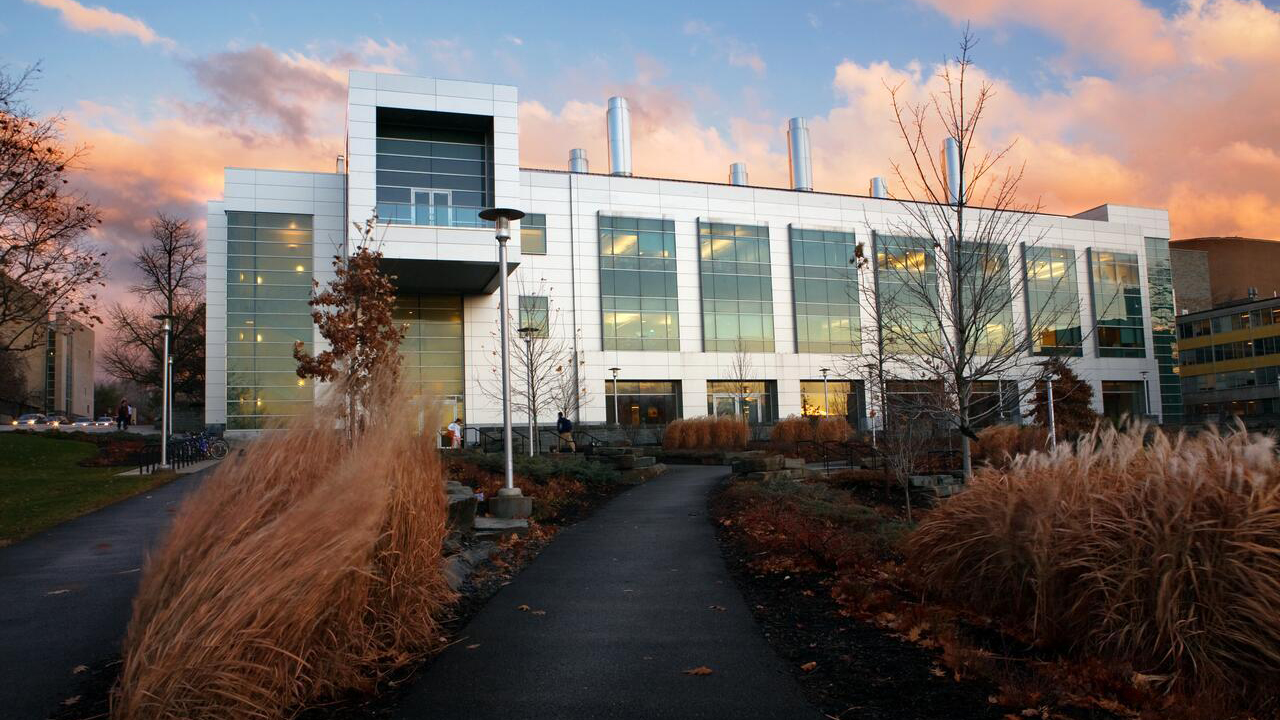
Duffield’s philanthropy also returns to his education. His support helped create Duffield Hall at Cornell, completed initially in 2004. It is a physical reminder that a software career can produce buildings as well as code, and that a useful room can outlast the technology first installed inside it.
In January 2026, Cornell announced a new $371.5 million pledge, alongside his earlier giving, and named its engineering college for him. The commitment includes endowment support and funding for immediate priorities. The connection stretches back to the student who arrived in Ithaca and the professors who encouraged his interest in computing. More than six decades later, he was helping finance the conditions for other students to begin.
These commitments give his continued work a wider context. The companies, the college and the animal foundation all put resources behind relationships that preceded the latest announcement. A customer’s daily work, an employee’s place in a company, a student’s chance to learn, a dog’s place in a family: Duffield keeps finding things he wants to take responsibility for. Retirement has had considerable difficulty competing with that list.
Keep following the story
- Workday / official biographyDave Duffield, co-founder and CEO emeritus
- Ridgeline / leadershipThe company by the lake
- Maddie’s Fund / the beginningThe promise that became a foundation
- Watch / Stanford Graduate School of BusinessDave Duffield and Aneel Bhusri in conversation
- In his own words / Cornell Class of 1962Duffield’s reunion reflection
- Read / January 2026A new commitment to Cornell Engineering
- Read / September 2026Ridgeline’s next round of building
- Interview / 2007Duffield on employees, customers and keeping promises