A hospital can be full of equipment and still have trouble making money. Consider Dallah Al Khobar. In the fourth quarter of 2024, before DallahHealth acquired it, the hospital lost SAR 34 million. A year later, under its new owner, it reported a SAR 5 million quarterly profit. Somewhere between those figures lies the interesting part of running a hospital.
- Dallah operates hospitals, clinics and homecare, with pharmaceuticals and facilities support alongside them.
- Acquisitions supplied about two-thirds of its 2025 revenue increase.
- The operational test is turning more capacity into sustainable care.
The company attributes the improvement to more patient visits and better operating efficiency. That explanation sounds ordinary. It is also the proposition behind Dallah’s expansion: an existing hospital can become a more productive business when it joins a network that knows how to run one.
A hospital needs more than beds
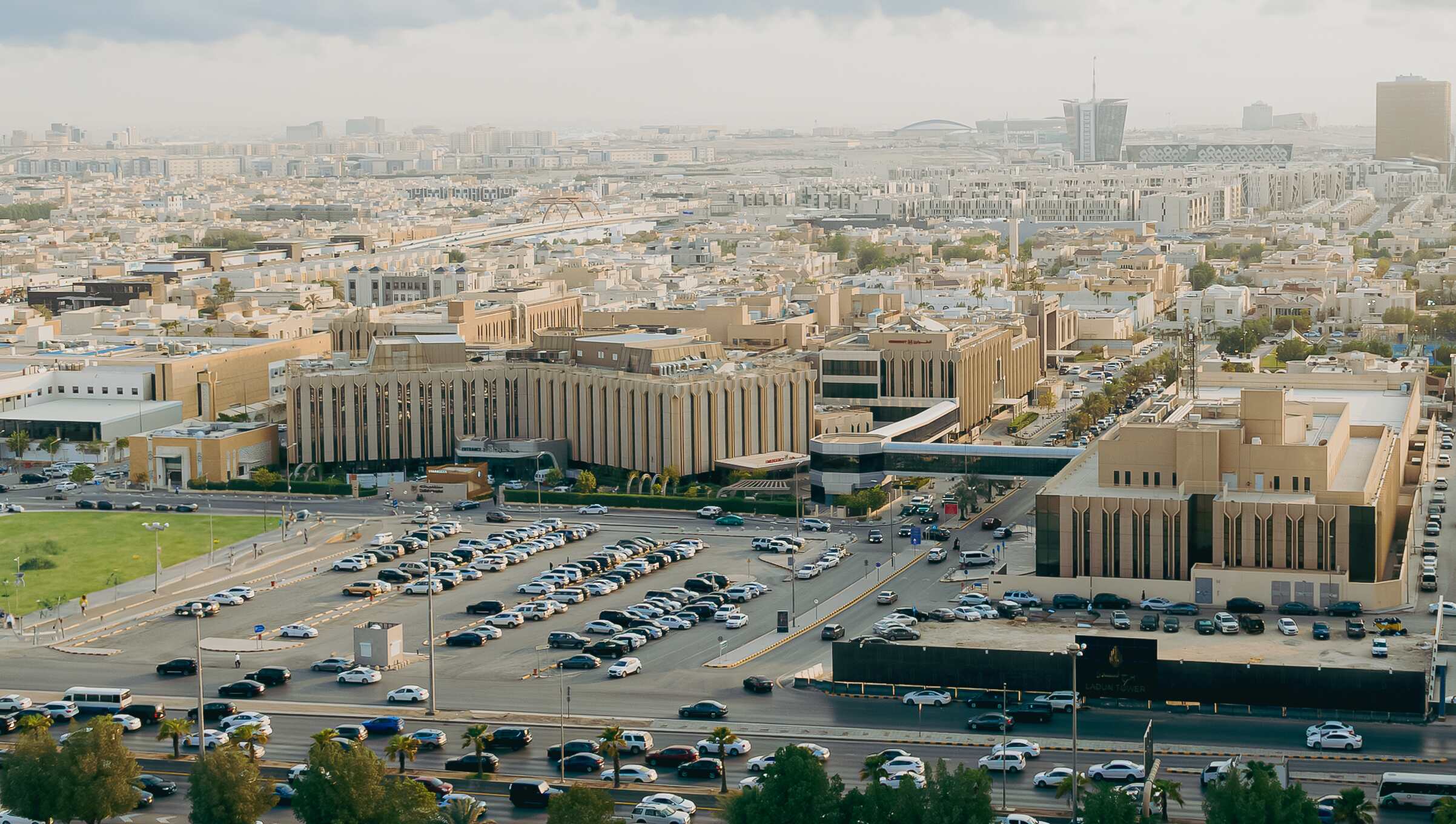
Dallah’s hospital story starts in Riyadh in 1987, with Al Nakheel. The company subsequently took legal form in 1994 and listed on Saudi Arabia’s stock exchange in 2012. Decades of additions followed: maternity services, a children’s hospital, Namar Hospital and neighborhood clinics. What began at one address acquired several ways to meet a patient.
Today, Dallah sells inpatient treatment, outpatient appointments, surgery, diagnostics and specialist care. Homecare extends its reach after patients leave. Its pharmaceutical arm manufactures and distributes medicines and supplies. Afyaa Al Nakheel handles infrastructure maintenance and safety support, including work for other healthcare institutions. The less photogenic parts of the business help explain the more visible ones.
The neighborhood is part of the system
The customers are patients and families; the payment relationship often includes an insurer. Dallah’s financial statements describe insurance companies as its main contractual customers. That gives the operator two connected jobs: deliver the treatment and collect the agreed payment. Discounts and rejected insurance claims affect what a medical service ultimately earns.
For a patient, the practical offering is simpler. Find a doctor, book an appointment, get a test or arrange an operation. Dallah Clinics brings outpatient services into neighborhoods including Al Ared, Al Yarmouk and Qurtabah. Homecare offers nursing, physiotherapy, chronic-condition support and teleconsultations. The useful question becomes which setting fits the next stage of care.
Available settings; each patient’s route depends on clinical needs.
None of those categories belongs to Dallah alone. Dr. Sulaiman Al Habib Medical Group and Saudi German Health also compete for Saudi patients. Dallah’s particular combination is its established Riyadh hospital base, newer Eastern Region assets, neighborhood access and support businesses. For an individual family, the decisive details remain the specialty, doctor, location and insurance coverage.
Clinical depth supplies another reason to consider the network. Dallah reports that Al Nakheel holds 12 SRC surgical centers of excellence under one roof. Its separate pharmaceutical business serves pharmacy chains, hospitals, retailers and government entities. These businesses give the group several customer relationships, even when the patient sees only the consultation room.
The price after the price
In 2025, Dallah acquired Ayyan Investment’s interests in Al-Ahsa Medical Services and Al-Salam Medical Services, the businesses behind the hospitals now called Dallah Al Ahsa and Dallah Al Khobar. Financial consolidation began on 23 March. Expansion came with existing buildings and existing obligations.
The transaction involved roughly 3.89 million new Dallah shares. The completion announcement also disclosed SAR 143.37 million in cash consideration and SAR 176.46 million to settle specified related-party loans. Those components matter. Describing a hospital acquisition with one tidy headline price can conceal the cash and liabilities needed to complete it.
The hospitals brought substantial revenue. Dallah reported SAR 572 million from them between acquisition and year-end, against SAR 289 million of additional revenue from facilities it already had. A bigger group and a better-performing existing business are different achievements. Both contributed.
Acquired hospitals
SAR 572m
Existing facilities
SAR 289m
Seventy machines, ten years
One earlier agreement offers a particularly clear view of Dallah’s operational thinking. In 2019, it entered a ten-year, €25 million partnership with Siemens Healthineers for radiology technology management at Nakheel Hospital. The arrangement covered installation, maintenance, upgrades, replacement and training, spanning around 70 devices.
The purchase extended beyond a scanner. It covered the work of keeping scanners useful as equipment ages and staff need new capabilities. The transferable idea is to budget for a working service over time, including the people who use it.
“better plan technology and innovation investments”
João Seabra, Siemens Healthineers · 2019
Growth has a financing bill
Expansion does not guarantee a smooth earnings curve. In the second quarter of 2026, Dallah’s revenue rose 4.3%, while attributable net profit fell 19.5%. The comparison included a prior-year zakat provision reversal and current-year costs for Mina Emergency Hospital during Hajj. Half-year finance costs also increased.
Dallah then reported receiving SAR 466.7 million in July from selling its Al-Fagih investment, with most proceeds intended to reduce financing obligations. That is an observable capital decision. It shows the group making room on its balance sheet while continuing to operate a larger network.
The useful lesson is in the handoffs
For another operator, the copyable habits are specific: distinguish acquired growth from existing-facility growth; include maintenance and training in equipment decisions; connect hospital care with accessible outpatient and home services. None requires pretending that every acquisition will repeat Al Khobar’s reported improvement.
The approach depends on demand, capable clinical teams, workable insurance relationships and enough financial room to absorb integration costs. It becomes harder when borrowing costs rise or additional beds outpace patients. Dallah’s story makes the building look like the easy part. The more revealing work happens between the appointment, the treatment, the discharge and the payment.