The internet noticed a paper plate. On it were chicken tenders, ketchup and a pale, unidentifiable condiment beside Taylor Swift. A fan account called the substance “seemingly ranch.” There are moments when corporate marketing departments hold a meeting about whether to hold a meeting. Corner Market Communications proposed making ranch.
Its client, Primal Kitchen, moved with it. Within 48 hours, the team had 50 limited-edition bottles and matching friendship bracelets, some made by the agency crew. The bottles sold out in less than 12 hours. More than 80 stories followed in two days, including coverage from NPR, and Primal Kitchen appeared in headlines beside much larger condiment makers.
This is the useful contradiction inside Corner Market. Its vocabulary is playful - clients occupy a “pantry,” executives are “store managers,” evidence arrives as “receipts” - but the governing idea is almost stern. Attention is not the result. Attention is an ingredient.
A grocery aisle is a harsh editor
Corner Market is a privately held communications agency headquartered on East Cesar Chavez Street in Austin, with a New York metro office in Jersey City and a presence in Philadelphia. It works exclusively with food and beverage brands. The current and recent roster runs from emerging names to Fortune 500-owned businesses: Applegate, LesserEvil, Magnolia Bakery, Momofuku Goods, Rummo, JusRol, Clio Snacks, Welch’s Fruit Snacks, Sauz and others.
The specialization matters because grocery has peculiar physics. A refrigerated snack has a shorter logistical leash than a sneaker. A product launch may need retailer enthusiasm, consumer trial, creators who can actually cook, a sampling plan and a crisis protocol for the day a batch or a headline goes wrong. “Awareness” is far too roomy a word for all that.
The agency’s service list is correspondingly broad: media relations, brand positioning, social and paid media, creators, partnerships, events, content production, crisis counsel, leadership positioning and financial communications. It is not selling software. It sells judgment and execution, through ongoing agency relationships and campaign assignments. Fees and revenue are private. The most revealing cost figure is comparative: one Applegate campaign delivered 126% more viewership than the previous year’s effort on half the budget.
“We don’t aim for likes. We aim for your ledger.”Corner Market Communications
The failure hidden inside a win
Consider Whisps, the baked-cheese snack. It had won the 2019 press cycle. Product awareness was not the problem. The problem was what happened next: awareness had not become affinity, traffic or trial. This is a common marketing failure because it looks, from a sufficient distance, exactly like success.
Corner Market’s answer was the “Big Cheese Board,” a nationwide search for a first “Cheese-E-O.” The winning applicant would receive $5,000 to eat cheese for a year. The joke contained an unusually demanding call to action: submit a video. More than 5,600 people did. Website traffic rose more than 258% across the quarter, although the contest lasted only 30 days, and more than 85% of visitors were new. Two competitors launched imitations within 18 months. Whisps brought its original back twice.
The thing to copy is not the pun. It is the diagnosis. Corner Market separated the metric the brand had already won from the behavior it still needed. Then it made the missing behavior entertaining enough to perform in public.
From the stage to the shelf
Meghan Kelleher, the founder and chief executive, began as an opera singer. She moved through agency jobs and communications roles at KIND, Waze and Hello Products, then started freelancing in 2017 under the name MKTC Consulting. She has described the change in her thinking as a move from waiting for someone else to bet on her to betting on herself.
The consultancy accumulated clients and freelancers. In 2023 it became Corner Market Communications, with a full-time team and an Austin office. Tina Clabbers, a Penn State classmate whom Kelleher met again years later by chance in Austin, helped turn the consultancy into a firm. The leadership now also includes operator Sami Rosnov, finance chief Kellie Moss, digital leader Jessica Acosta and creative and media lead Lauren Bunde.
The company is woman-owned and women-operated. Its team page is unusually specific about why each executive is there: frozen and refrigerated logistics, crisis work, internet culture, financial discipline, events. This is culture expressed as a staffing decision, not a wall decal. The PR Net recognized the firm as a Next Gen agency in 2025; Kelleher made PRWeek’s 40 Under 40 in 2024.
The stunt is only the visible half
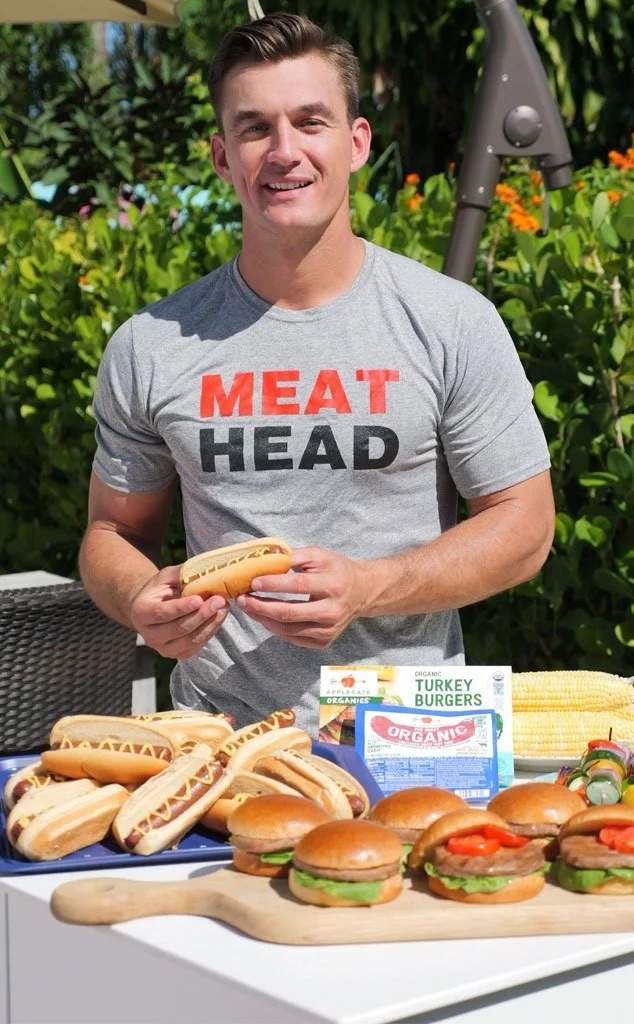
For Applegate’s “I Am a Meathead,” the agency took a word usually aimed at someone dim and recast it as a person making thoughtful choices about meat. Tyler Cameron starred in a comic PSA. Corner Market and Applegate handled the machinery from crew and set selection to script and promotion. The video reached 43 million views, lifted website traffic 69% and collected thousands of customer emails.
For JusRol, the team found an overlap between bakers and BookTok readers. “Every Bake Tells a Story” became a holiday platform spanning concept, creative, streaming, paid social, partnerships and PR. The campaign recorded a 95% ad-completion rate and a 30% year-over-year sales lift during the crucial holiday window. A cute insight about readers and pastry survived contact with a cash register.
The useful 60 percent
The agency’s public advice is refreshingly limiting. It tells prospective clients that PR controls perhaps 60% of the outcome. Journalists control the other side of a pitch. A major feature or television spot may take six to 18 months, not 30 days. Both client and agency must make time. If an idea fails to land, the agency can pivot; it cannot order the culture to care.
That supplies the conditions under which this approach will not work. A brand without a defined commercial goal gives the story nowhere to go. A slow approval chain ruins a 48-hour cultural opening. A weak product cannot be rescued indefinitely by a strong phrase. A client that treats its agency as a vending machine will starve it of the information needed to act like an internal team. And a company that needs guaranteed placement should buy advertising, not confuse earned media with inventory.
There is still plenty another team can borrow without hiring Corner Market. The method is compact enough to pin above a desk:
- Write the business goal in behavioral language: buy, try, visit, subscribe, stock - not “make a splash.”
- Find a tension the audience already understands. Meathead, mystery ranch and dream cheese job all arrived preloaded.
- Make the idea tangible. A physical bottle, an application and a bake are actions, not merely messages.
- Prepare operations before attention lands. Speed is useful only if product, approvals and people can keep up.
- Count what happened after the laugh: qualified visits, new users, emails, retailer calls, trial and sales.
Corner Market’s real product is not publicity. It is the conversion of a business problem into a story other people want to carry. The grocery-store costume helps the work feel friendly. The receipt proves it was work.