The car is the obvious thing to look at. It sits under the lights, freshly washed, waiting to become somebody’s expensive decision. But look a little farther into a dealership and the business changes shape. There are parts shelves, service appointments and vehicles waiting for repairs. At Coggin Automotive Group, the interesting question is how all those visits connect.
- Florida dealerships sell, finance, service and repair vehicles.
- Clicklane brings the transaction online, with a route back into the store.
- The useful lesson: pay attention to what happens between departments.
Coggin serves drivers across Jacksonville, St. Augustine, DeLand, Orlando and Fort Pierce. Customers can buy a new car, shop used inventory, sell an old vehicle or book maintenance. The offering covers several chapters of ownership. That makes this regional dealership name a useful place to examine an old retail puzzle: how do you make a complicated purchase feel connected?
01A local name, a national owner
Luther Coggin Jr. opened the first Coggin dealership in Jacksonville in 1968. Asbury Automotive Group acquired the business in 1998. The founder’s name stayed above the door. That detail matters: customers encounter a familiar Florida identity inside a much larger automotive retailer. Local recognition and corporate ownership coexist on the same lot.
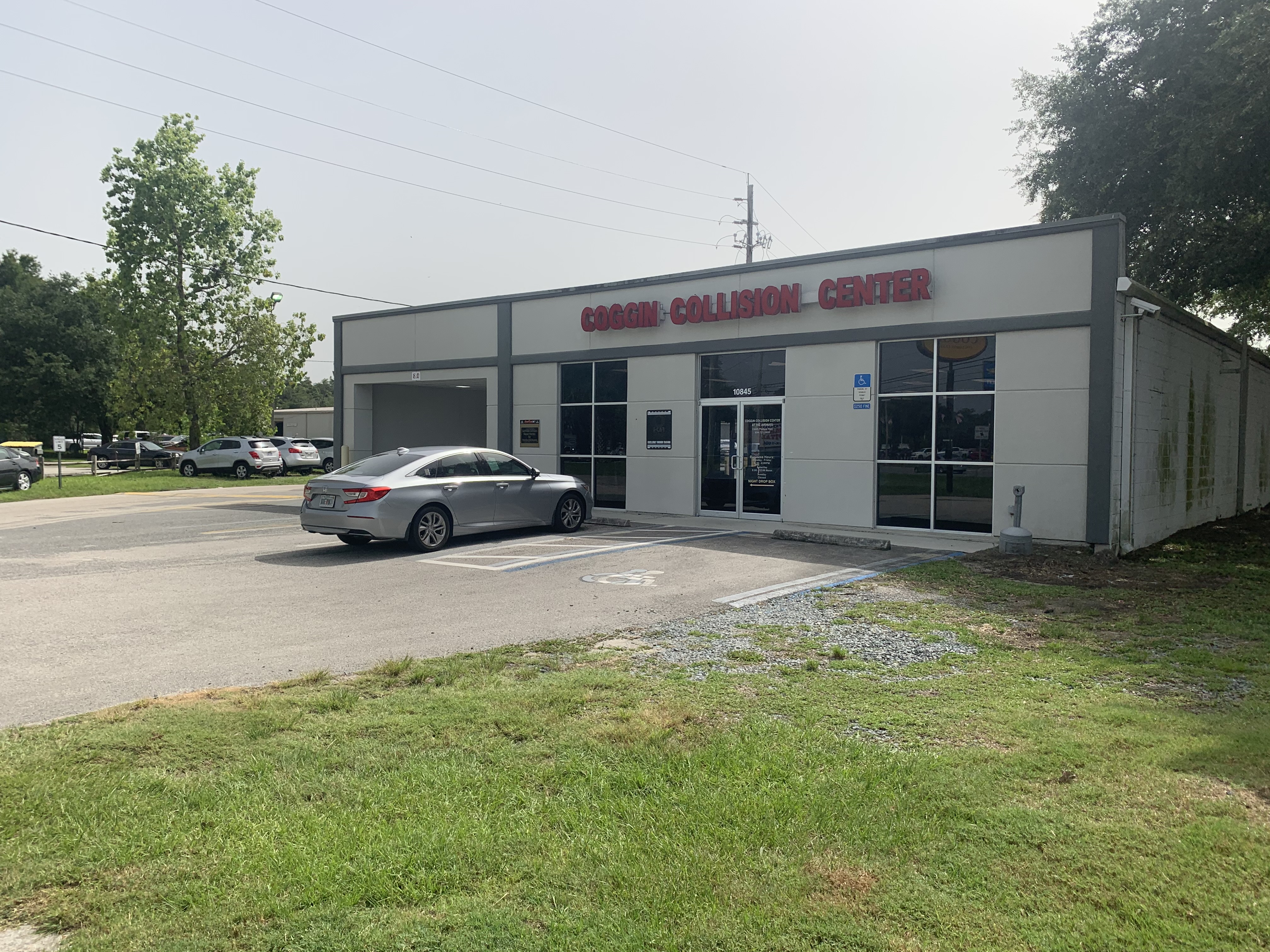
By December 31, 2025, Asbury’s property table recorded 16 Coggin dealership locations and seven collision centers. Its franchise list included Honda, Toyota, Ford, Nissan, Chevrolet and several luxury marques. Coggin occupies the franchised, multi-brand part of the market. Someone comparing new cars can consider different manufacturers within the group; a used-car shopper can browse across makes.
02The awkward part is the handoff
Putting cars on a website solves the browsing problem. Buying involves a different collection of problems: the trade-in, the outstanding loan, the lender, the documents. In February 2021, Asbury chief executive David Hult described the limitation of its earlier PushStart tool. Depending on the brand, it could complete about 40 percent of a transaction. The rest still needed somewhere else to happen.
Asbury launched Clicklane in December 2020, working with Gubagoo. The shift addressed those unfinished steps. Coggin’s implementation lets shoppers review pricing, apply trade equity, adjust a loan term and down payment, browse lender options and submit documents. Customers can sign online and arrange delivery, or prepare online and finish at the dealership.
“We're happy when you're happy.”Coggin’s customer-service slogan
That choice is useful for a customer who wants to compare numbers quietly at home but inspect the car in person. It also gives the company a way to serve people with different buying habits. The practical distinction is continuity: a shopper can move between a screen and a store while working toward the same purchase. For another retailer studying the approach, the question is which decisions customers can make beforehand, and which deserve a conversation. Moving those decisions into a sensible order is a useful design problem in its own right.
- 01Choose
- 02Value trade
- 03Review loan
- 04Sign + collect
Start online. Finish online or at the dealership.
The process works in the other direction, too. Coggin’s vehicle-purchase page says sellers do not have to buy a replacement. Enter the vehicle details, describe its condition, review an offer and arrange an appointment. For someone simply trying to get rid of a car, that is a distinct service rather than a compulsory trade toward another purchase.
03The money behind the showroom
The business earns money from vehicle sales, repair work and parts, alongside compensation for arranging financing and selling protection products. Asbury’s disclosures distinguish those financing arrangements from lending directly to the buyer. A dealership can help place the loan while another financial institution supplies the credit. The showroom transaction therefore contains several businesses inside it.
Physical investment makes the point more vividly. In September 2022, Jacksonville issued a permit for almost $8.4 million of renovation and expansion at Coggin Chevrolet at the Avenues. Plans included a service drive, workshop space and two-story parts storage, taking enclosed space above 50,000 square feet. This was a permitted project cost. It says something concrete about the facilities supporting the customer relationship.
Renovation and expansion planned for Coggin Chevrolet at the Avenues.
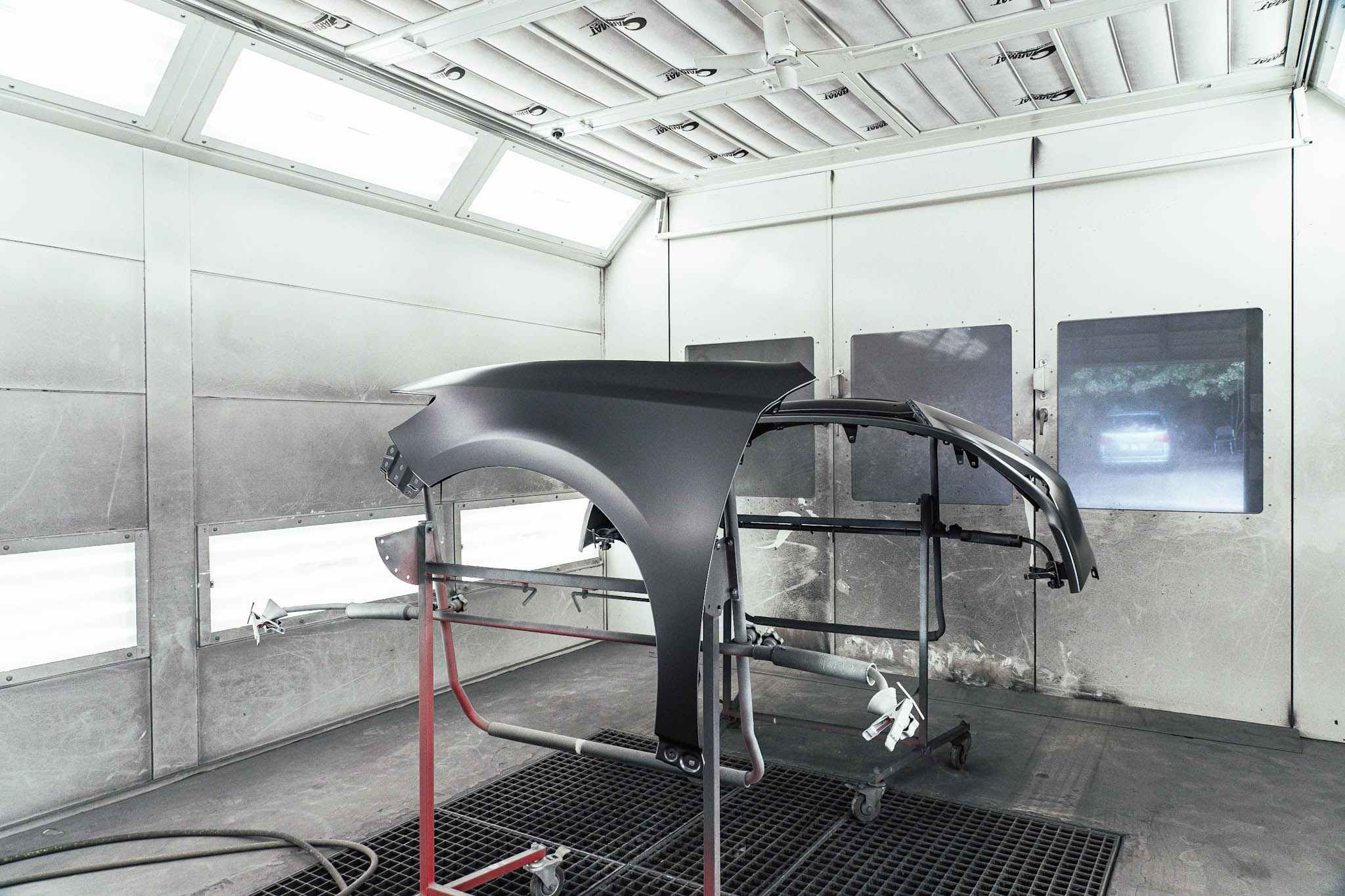
Coggin Honda of Orlando describes factory-trained technicians, diagnostics and scheduled maintenance. Coggin Collision offers body, glass, paint and related repairs. This expertise matters when a vehicle needs work beyond an ordinary purchase transaction. An independent mechanic or body shop is an alternative for those visits; another franchised dealer is an alternative for buying and manufacturer-specific support.
04Seven days. Read the next sentence.
For buyers, convenience should survive a look at the terms. Coggin advertises a seven-day, 1,000-mile money-back guarantee for Clicklane online transactions, whichever limit comes first. Its published conditions make the customer responsible for returning the vehicle at their expense. A trade-in may already have been sold or reconditioned; the original vehicle may therefore be unavailable to return.
The same care belongs in financing. Changing the term changes the monthly payment, so compare the vehicle price, rate, fees and optional products together. A convenient checkout does not establish that a particular offer is the cheapest. Its usefulness depends on the vehicle being available, the credit terms fitting the buyer and the handover arrangements working for their location.
The inventory page provides a concrete reason to ask for an itemized total. Its pricing notice excludes tax, tag, governmental fees and dealer-installed options, and lists a $98 private tag agency charge plus a $799 pre-delivery service charge. Those details belong beside the advertised price when weighing an offer. Check the applicable vehicle and dealership terms before signing.
05The part another business can borrow
Consider collision repair. Coggin’s photo estimator asks for seven pictures: the four corners and three views of the damage. Customers can begin with a phone before visiting a body shop. The repair remains physical, but gathering information can happen elsewhere. There is a transferable idea here: find the steps that require information and let customers supply it before the appointment.
Relationships outside the transaction receive attention, too. Coggin promotes HBCU Change donations through service-bill round-ups and has supported Big Brothers Big Sisters. Its public community account says paid volunteer hours increased from eight in 2020 to 40 in 2021. These are specific examples of how the group describes its community commitments.
A customer can borrow an equally practical habit: arrive prepared. Compare vehicles, get a trade offer, review the complete deal and decide which steps need a visit. Coggin’s proposition makes sense for someone who wants digital preparation and a dealership to return to. The sale gets the attention. What follows determines whether the relationship lasts.