The customer has already picked the machine. That is the interesting part. In the usual account of selling, the hard work is persuasion: explain the product, demonstrate the product, make somebody want the product. But an equipment dealer can do all of that and still watch the customer leave. Wanting a commercial printer and having the money for one are two different achievements.
- The opening: small businesses that need equipment before they have much cash or operating history.
- The mechanism: Clicklease buys the equipment, pays the seller and leases it to the business.
- The catch: a manageable monthly payment still needs a full ownership-cost calculation.
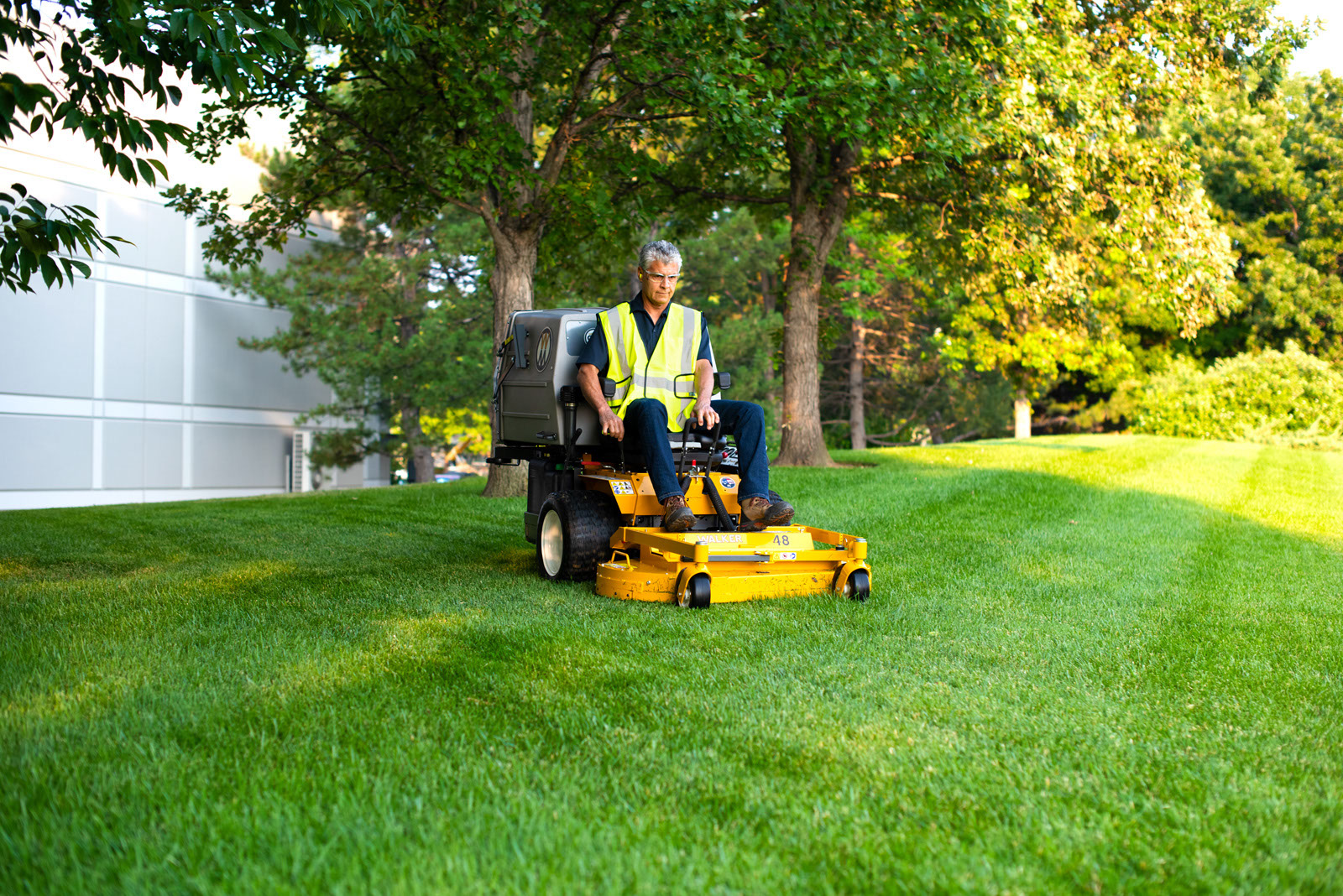
Clicklease has built its business around that unfinished sale. Its territory is commercial equipment leasing for small businesses: the tools that turn an intention into something billable. A mower can cut a lawn. A printer can produce an order. The business needs the machine to earn the money it would otherwise need to buy the machine.
The customer who was already there
Consider the vinyl and heat-transfer equipment seller in one of Clicklease’s case studies. The seller had tried Dimension Funding and wanted a better customer payment experience. It discovered Clicklease in October 2020. The practical changes were small enough to miss: application buttons on its website and the ability to send an application by text message.
That is a useful detail because it locates the problem. The seller did not have to invent a new machine or find an entirely different audience. It put a payment application inside an existing sales conversation. The case study describes Clicklease as its primary leasing provider. The seller is unnamed, so treat this as a company-published account of a workflow, rather than proof of a typical financial result.
A second case study follows an Atlanta restaurant supplier that had used QuickSpark and wanted more leasing options. It found Clicklease in March 2019. Here, the intervention was physical: in-store promotions prompted customers to ask about leasing. Different setting, same distribution insight. The equipment seller already has the attention that a finance company would otherwise have to purchase.
Clicklease’s January 2025 partner survey supplies a broader, if interested, view: 86% of equipment sellers said working with it had driven revenue growth. That is a reported association from partners, not a controlled comparison. It does, however, explain the sales pitch to dealers. A financing option earns its place by helping an existing customer finish buying something.
The money takes a different route
The transaction is straightforward. A business chooses equipment and applies. Following approval and signing, Clicklease purchases the equipment from the seller for the invoiced amount. The business then leases the equipment from Clicklease. The vendor gets paid; Clicklease takes on the leasing relationship.
the equipment
paid
lease payments
opens ownership
This arrangement gives Clicklease two audiences. Business owners want access and payments they can plan around. Equipment sellers want completed orders. Its developer hub describes ecommerce plugins, a JavaScript SDK and an API for approved partners. The application can live close to the purchase, whether the conversation happens at a counter or on a screen.
Its market position follows from that combination. Clicklease advertises no minimum time in business and no hard credit pull for applying. Startups and businesses with imperfect credit histories are part of the intended audience. Approval is still a decision, not an entitlement. The promise is a way to be considered without first becoming the seasoned business a conventional financing process might prefer.
The referee behind the application
Bart Longson founded Clicklease in 2018 after co-founding Snap Finance. His background includes homebuilding, private lending and an unusually literal second occupation: officiating NFL and Division I college football. His company biography describes a founder interested in businesses working through challenges. Doug Houlahan, its first employee and now chief commercial officer, brought equipment-finance experience.

“Know your numbers!”Doug Houlahan, Chief Commercial Officer
The ambition attracted capital. On August 31, 2021, Clicklease announced a $63 million Series A led by Sandlot Partners. Longson said the money would support technology, team expansion and product improvements. The announcement framed commercial equipment finance as something that could help a sale, instead of slowing it down. Automation was central to that proposition.
A small payment can conceal a large question
Speed answers whether a purchase can proceed. It does not answer what ownership will cost. Clicklease’s public partner FAQ describes a surcharge established at the beginning of a lease and spread across payments. It also lists a typical documentation fee of $79 to $499. Those are published explanations, not a personalized quote.
Scheduled lease payments + purchase option + documentation fee + applicable taxes and other contractual costs.
Early-purchase terms can change the total. Use the signed agreement and an exact quote.Crucially, that FAQ says the customer remains responsible for maintenance and repairs. Leasing the machine does not make its broken parts somebody else’s problem. Clicklease’s terms page says each individual lease agreement sets out the applicable terms. Its application disclosures describe the lease as non-cancelable for its full term. Returning equipment at the end and escaping payments halfway through are different propositions.
Copy the placement. Check the economics.
The lesson for a seller is concrete: put the application where hesitation occurs. Offer a link beside the equipment. Let a salesperson send it while the customer is still discussing the job the machine must do. Explain the purchase option before celebrating the monthly payment. A payment tool becomes more useful when staff can explain its obligations as clearly as its application.
For the buyer, the test is whether the equipment’s expected contribution survives its costs. A seasonal business with uncertain orders has a different problem from a shop replacing a machine needed for booked work. A non-cancelable obligation can outlast the revenue that made it seem manageable. Cash, a bank loan, a card or another lessor may produce different economics and deserve comparison.
Clicklease’s useful insight is that demand can exist before purchasing power does. Its product joins the two at the equipment counter. The question that matters afterward is wonderfully unglamorous: once the machine is working, does enough money remain?