A teacher needs supplies. Somewhere, an administrator has a budget for supplies. Between those two perfectly compatible facts sits a purchase order, an approval, a receipt, and somebody’s afternoon. ClassWallet has built a business in that space. Its proposition is pleasantly concrete: give people access to allocated funds, attach the spending rules, and keep the evidence of what happens next.
- Agencies set the budget and rules; educators and families make eligible purchases.
- Shopping, provider payments, receipts, and reporting share a platform.
- Fees and permitted payment methods depend on the program.
- Oversight still needs an owner. Oklahoma supplied the cautionary example.
An award is not a purchase
Jamie Rosenberg encountered the problem through philanthropy. A corporate lawyer who mentored at a Miami preschool serving children with disabilities, he founded AdoptAClassroom.org in 1998. Helping donors support teachers exposed a second job: tracking how those donations became classroom resources. ClassWallet followed in 2014, co-founded with payments executive Neil Steinhardt, whose experience included leading Skrill USA.
The important shift was in the customer. A tool that helped philanthropic money reach teachers could also help school districts administer their own funds. State agencies followed. Rosenberg dates that expansion to 2017. The same administrative knot appeared in scholarships, early childcare, and workforce programs: many recipients, restricted purposes, and records that had to survive scrutiny.
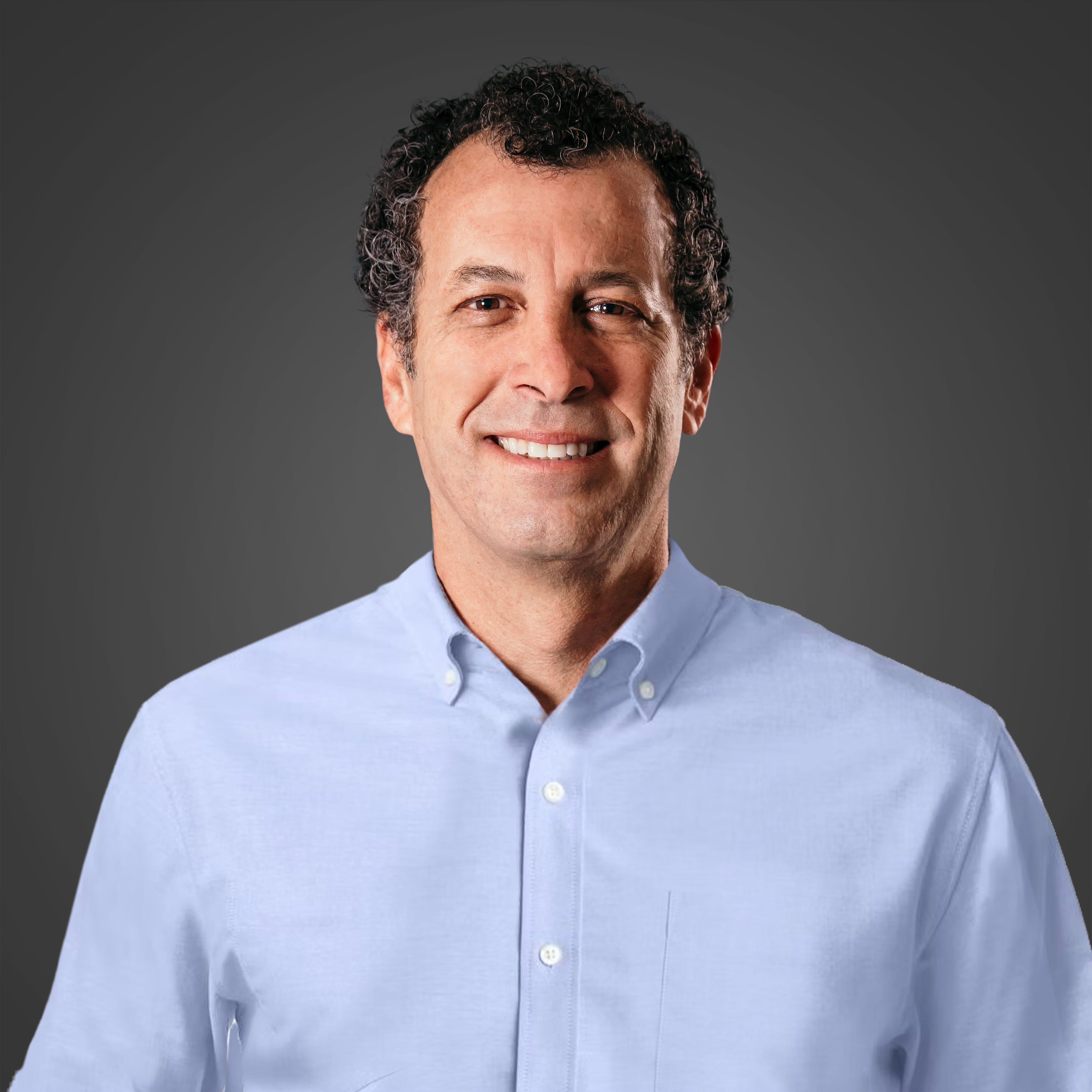
That history explains where the company sits. ClassWallet sells financial infrastructure to institutions; teachers and families experience it as a way to buy things. Its expertise combines payments, education procurement, program administration, and compliance workflows. The purchaser of the software and the person clicking “buy” have different needs. Both must be satisfied for the transaction to work.
The rules travel with the money
On ClassWallet’s government platform, administrators establish budgets and controls, select payment options, manage approvals, and view reporting. Users can shop through an integrated marketplace or pay approved providers. Reimbursements and debit cards are available where permitted. A wallet balance therefore comes with conditions: who may spend it, on what, through which route, with whose approval.
- 01AllocateBudget to wallet
- 02Apply rulesPurpose + eligibility
- 03PayApproved purchase
- 04RecordReceipt + reporting
Alabama’s CHOOSE Act parent guide makes the distinction tangible. Families can use the marketplace and pay participating education providers, but the guide rules out reimbursement to families. The platform’s capabilities are broader than any one program’s permissions. A feature existing somewhere in ClassWallet does not make it available in your account.
For providers, documentation is part of getting paid. Alabama’s provider guide requires an invoice identifying the provider, student, parent, service, dates, and amount. Handwritten documentation is rejected. That sounds fussy until you remember that a tutor, a parent, and a public agency must all recognize the same expense later.
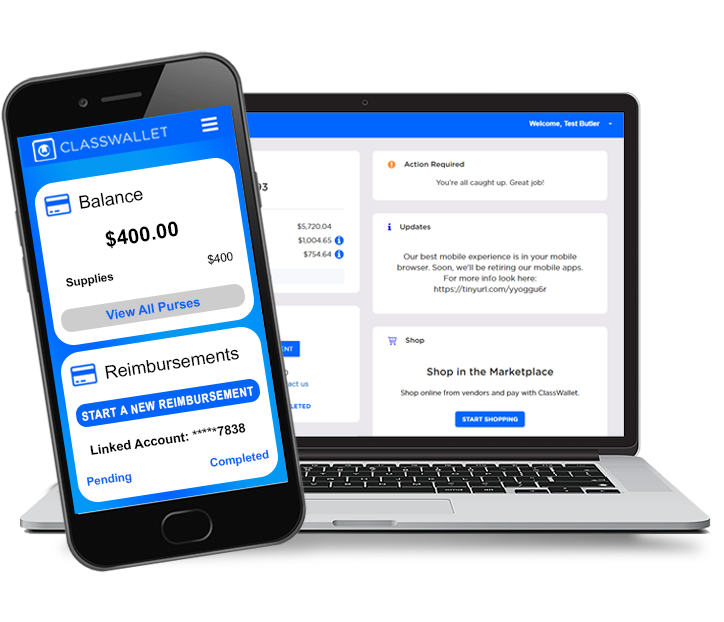
Odyssey competes in the same broad territory, connecting states, families, and education vendors. ClassWallet’s particular positioning reflects its district-purchasing roots and wider public-funds remit. Its marketplace includes retailers such as Amazon, Staples, Best Buy, and Scholastic. The proposition bundles shopping with controls and reconciliation, tasks that institutions might otherwise spread across purchasing systems, cards, and reimbursement queues.
One product correction reveals the practical work underneath. Rosenberg told interviewer Michael Horn that schools initially received a single daily ACH payment. Schools then needed to match that deposit to individual students. ClassWallet changed the mechanism to batches of payments carrying student IDs. The money had arrived before; the change made it easier to account for. Listening to the recipient’s bookkeeper changed the product.
The price of moving a dollar
In August 2023, ClassWallet announced $95 million in institutional growth capital led by Guidepost Growth Equity, with Education Growth Partners and Lazard Family Office Partners participating. Investors were backing the business of administering money. The funding round was company financing; public funds passing through the platform belong to a different accounting story.
The operating economics vary by contract. North Carolina’s July 2025 ESA+ provider introduction gives a useful example: payments through ClassWallet carry a 2.5% fee. If a parent requests a $100 provider payment, the provider receives $97.50. That example describes one program’s terms, and should not be mistaken for a price list covering every client.
Historical Idaho reporting reveals another configuration. The Idaho Capital Sun reported that a pandemic-era contract included a $250,000 setup fee, $53 per processed application, reimbursement charges, and vendor transaction fees, totaling about $3.8 million. These historical terms show why procurement teams need to examine the whole contract. Moving money creates several possible places to charge.
The control someone must switch on
Oklahoma exposed the limits of the arrangement. Audits identified improper purchases in a pandemic education relief program, including household goods. The state’s attorney general said officials had rejected available controls and failed to review spending. He dismissed litigation against ClassWallet in February 2024, arguing that responsibility lay with state actors.
The dispute continued. In January 2026, KGOU reported that a federal judge dismissed allegations pursued by Governor Kevin Stitt. The episode matters beyond the courtroom: purchasing controls require decisions about categories, exceptions, and authority. A system can provide restrictions while an administrator grants blanket approval. Speed then scales the consequences of that choice.
“get the dollar as close to the student as possible”Jamie Rosenberg / EdTech Insiders
A receipt is the beginning
ClassWallet continues to expand the work around the wallet. Ohio selected it in October 2025 for five scholarship programs, with FACTS integration connecting applications to the experience. Stephen Lindeman had become CEO that May, while Rosenberg moved to executive chairman. By October 2026, the company was also discussing administrative capacity for scholarship-granting nonprofits preparing for federal tax-credit scholarships.
The scale is substantial, though it needs careful reading. ClassWallet says it distributed $1.2 billion in Emergency Assistance to Non-Public Schools allocations for 12 states during 2021-2025. That measures funds delivered. Whether a particular purchase improved a child’s reading or learning is a separate question. The company’s purchasing surveys describe reported benefits; a transaction record alone cannot establish educational impact. Administrators still need an evaluation plan beyond the checkout.
The useful idea to copy is operational: decide the rules before distributing money, capture documentation at purchase, and give exceptions a named decision-maker. This works best when eligible expenses are clear and providers can supply usable records. Ambiguous policy and unavailable approved vendors can still stop a purchase. ClassWallet can organize the transaction; the public program must supply the judgment.