A restaurant can finance a new oven and still struggle to open for dinner. Someone has to buy the ingredients, pay the cooks and cover the interval before customers settle their bills. The equipment solves one problem. Running it creates another. That ordinary mismatch explains a surprising amount about Channel, a Minnesota lender whose business joins two conversations usually filed in separate drawers.
- Equipment finance and working capital, offered through finance partners.
- More than $4 billion funded to over 41,000 businesses, Channel reports.
- Part of Onset Financial since 2025; still operating under the Channel brand.
The customer already had a lender
Founded in 2009 by Brad Peterson, Adam Peterson and Jill Fleck, Channel developed a working capital business through equipment leasing and finance companies. A 2015 company release described more than 3,000 loans and over $150 million in receivables, originated exclusively through those partnerships. These were businesses that a finance partner had already encountered and screened. Channel brought another financing option to an existing relationship.
That arrangement gives Channel two constituencies. One is the small business that needs money. The other is the finance company that wants to keep helping its customer. Channel’s current model serves both: partners bring the relationship; the lender supplies financing, underwriting and servicing. Its website directs borrowers toward an equipment finance company, with a referral route for owners who need an introduction.
The distinction matters in a market where bank loans, independent leasing companies and working capital providers can all be alternatives. Channel’s particular proposition is access to both kinds of funding through a partner. For a broker or finance company, that means another reason to stay in the conversation after the equipment agreement is signed.
Buy it. Then put it to work.
Today the equipment side covers new and used assets, with published financing amounts of $10,000 to $250,000 and terms of 12 to 72 months. Channel advertises credit decisions in under four hours. That is a decision-time claim, not a promise that every application will receive money that afternoon.
The working capital range is $10,000 to $400,000. Uses include inventory, project expenses, renovations and bridging receivables. Channel says the process can take as little as 24 hours. Its audience stretches across construction, manufacturing, restaurants, medical and dental practices, landscaping and other businesses whose needs rarely fit neatly into one financing category.
The products get more interesting at the edges. An Equipment Credit Line supports multiple purchases. Bundled Working Capital attaches operating finance to equipment funding through a process designed to fit the partner’s existing work. The SYNC program supplies customizable marketing materials. Channel is helping partners explain and distribute the offer as well as fund it.
The price is in the contract
The equipment products use risk-based pricing, so the useful comparison starts with the actual offer. A business owner should compare total repayment, payment timing, fees and any end-of-term purchase obligation. A manageable monthly payment can answer only part of the cost question.
Consider Channel MAX10. This lease provides options to renew, return or buy, with the fair-market-value purchase amount capped at ten percent. That cap describes the end-of-term purchase option; it is not an advertised interest rate. Structured FMV offers a different set of term and payment arrangements. Those details determine what owning, keeping or returning the equipment will require.
The fit depends on the business. Operating finance can help when spending precedes incoming cash. It becomes harder to justify when repayments arrive well before a project can earn enough to cover them. Combining products makes access convenient; the owner still has to make the cash-flow arithmetic work.
The lender needs funding, too
A fast application is the visible part. Behind it sits the problem every lender must solve: obtaining money to lend. Onset Financial acquired Channel in April 2025 for undisclosed terms. The announcement described complementary strengths: Onset would gain small-ticket and partner-based funding capabilities, while Channel would gain greater capital access. The brands continued.
Channel also uses bank facilities and securitization, which packages financing receivables behind securities sold to investors. In May 2026 it completed a $205 million equipment-finance issuance, its eighth securitization overall. Approximately $740 million in orders came from 23 investors. Those figures describe institutional funding demand, rather than customer sales or company revenue.
On October 22, 2026, a new CIBC Bank USA revolving facility was reported, taking the bank’s total commitments to Channel to $135 million. It supports equipment leases and loans alongside an existing working capital facility. The combination shows how a nonbank lender can connect small-business financing with both banks and capital markets.
A familiar face at the next desk
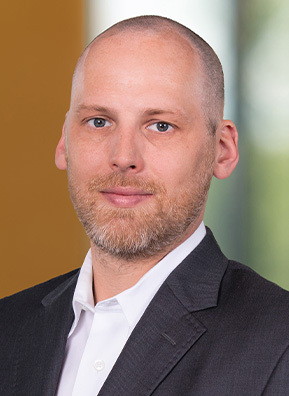
The leadership changed after the acquisition. Co-founder Adam Peterson became CEO in October 2025, while Brad Peterson announced retirement and an ongoing executive board role. In 2026, Channel added risk and operations leaders and promoted Cory Krogen, its fourth hire back in 2010, to Head of Sales.
There is a human counterpoint to the underwriting. Channel’s workplace account describes bean bag tournaments, dog-shelter volunteering and an office plaque reading, “Doing the right thing is never the wrong thing.” Its fifth consecutive Star Tribune Top 200 Workplace listing in 2026 was based on anonymous employee feedback.
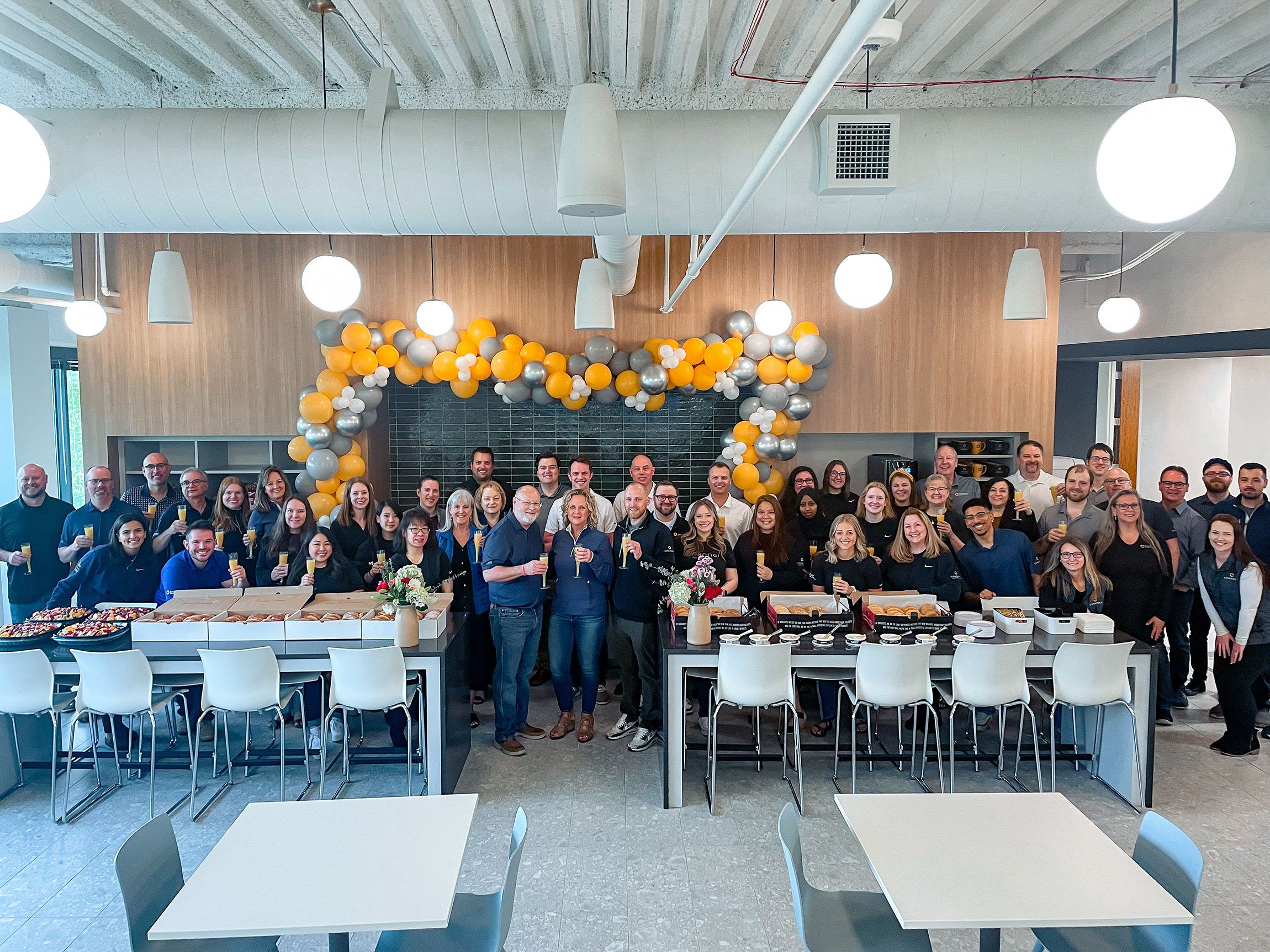
“The streak was never the goal.”
Adam Peterson / August 2026
Channel reported its fourteenth consecutive Inc. 5000 appearance that August. The copyable idea is more specific than pursuing growth: find the next problem inside a relationship you already serve, then make it easier to solve. For Channel, that problem begins when the equipment arrives and the rest of the business still needs paying for.