A chimney-service company is an unexpectedly useful place to begin a story about software. There are customers to remember, agreements to renew, and jobs that happen far from a desk. Chimcare wanted a SaaS application for its service agreements and a product it could offer to other businesses. It chose Centizen for a combination that was easy to understand: a US presence and developers in India.
- People: hire technical staff for a team you manage.
- Delivery: commission software and hand over more of the coordination.
- Products: subscribe to ZenBasket or Zenyo for recurring business tasks.
A chimney company walks into a software brief
The engagement ran from April to December 2020, with a reported budget of $10,000 to $49,999. Work began with discovery and mapping the application’s flow. Weekly meetings with a US project manager continued through delivery; testing preceded launch. Chimcare CEO Jesse Peralta’s verdict was refreshingly concrete.
“We had direct contact and communication was great”Jesse Peralta / CEO, Chimcare
The appeal was access to the people doing the work.
That account helps explain Centizen’s place in the market. Buyers bring different gaps: a missing skill, an unfinished application, a process that has become difficult to administer. The useful question is how much work the customer can organize internally. A company with a technical leader needs a different arrangement from a business owner trying to turn service agreements into software.
Choose the size of the handoff
Centizen makes those arrangements explicit. Staff augmentation adds engineers to an existing operation. Dedicated teams assemble a group around a longer-running need. Software outsourcing moves more delivery work to the supplier. These choices change who recruits, who coordinates, and who carries the day-to-day burden of getting something finished. They deserve separate conversations before anybody compares hourly rates.
Extra skills.
Delivery support.
A recurring fee.
Its remote hiring offer includes payroll, tax, compliance, and benefits administration, with professionals aligned to client time zones. That is an operational proposition as much as a recruiting one. The customer gets help assembling a workforce across borders. The customer still needs someone who can explain priorities, review work, and answer questions when requirements collide.
The engineering menu reaches across web and mobile applications, cloud platforms, interface design, testing, and DevOps. Centizen also markets AI automation, knowledge assistants, integration, and AI quality services. Its proposition is broad enough to compete with recruiting agencies on one brief and software consultancies on another. Breadth is useful when related problems accumulate; buyers should still ask for evidence tied to their particular task.
A sensible trial engagement would make that responsibility visible: one bounded task, an agreed review rhythm, and a named decision-maker on each side. This is a buying lesson drawn from the model, rather than a promise about every engagement. Extra people help most when the customer can identify what is missing.
The product shelf changes the economics
Then there is the third door: software already on the shelf. ZenBasket combines storefront creation with products, inventory, orders, payments, and shipping. A merchant can start with a trial and a theme, rather than a development brief. The company also offers migration guidance for existing stores. The intended users include first-time sellers, established brands, and agencies building shops for clients.
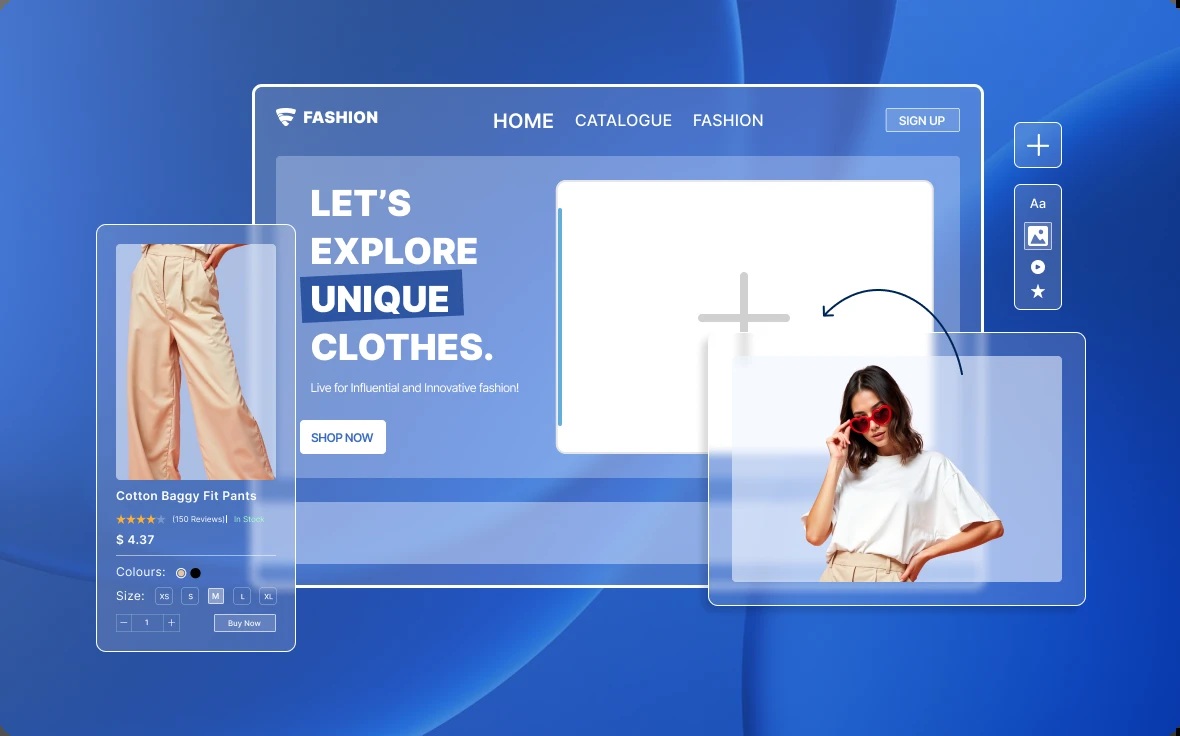
On the India pricing page, monthly plans are listed at ₹1,299, ₹2,299, and ₹7,299 before taxes. The entry paid plan allows up to 500 products, two inventory locations, and five staff accounts. Optional plugins can add charges. ZenBasket says it charges no transaction fee of its own, although payment-gateway fees still apply. A subscription price buys a defined set of capabilities, with limits worth reading.
Those limits have consequences. ZenBasket’s help documentation says a store using higher-tier features must disable them before downgrading. That small instruction tells a buyer more than an airy promise of flexibility: the business must fit the chosen plan. A merchant needing an unusual workflow should test that workflow during the 14-day trial, including what happens after an order goes wrong.
Zenyo addresses another set of repetitive chores. Payroll targets small businesses in India, covering salary processing and tax-related calculations. Workforce handles employee records, leave, attendance, timesheets, expenses, and self-service. These products put Centizen in the position of maintaining applications across repeated use. Project services earn money from engagements; subscriptions create an ongoing obligation to keep a product useful.
The cloud bill needed an owner
One company-published retail case study offers a particularly legible example of its engineering approach. Acquisitions had left the customer with a fragmented AWS estate, inconsistent tagging, and uncertain resource ownership. The trouble began with visibility. Teams could spend money without a clear, shared picture of which resources belonged to whom.
Centizen describes assigning a cloud architect, a DevOps engineer, and a cost analyst. They established tagging and ownership rules, introduced reporting and budget alerts, then used AWS tools to identify oversized or unused resources. The claimed savings followed that sequence. The transferable idea is modest and useful: make spending attributable, review it regularly, and give somebody responsibility for acting on what the report reveals.
The same logic gives buyers a way to evaluate AI work. Centizen’s current offering includes monitoring, governance, and quality controls alongside building applications. A prospective customer can ask which outcome will be measured, who will handle exceptions, and who maintains the system after launch. Without clear ownership or usable underlying data, adding another technical team can leave the original organizational problem intact.
The small sale worth watching
In a September 2026 newsletter, Centizen reported the start of paid theme sales with ZenBasket’s Bobblix theme. It is a small, specific update: another item customers can buy repeatedly. Beside staffing and custom projects sits a business in reusable software and design. The lesson for a buyer is equally practical. Write down the workflow, decide who should run delivery, and check the product shelf before ordering a custom build.