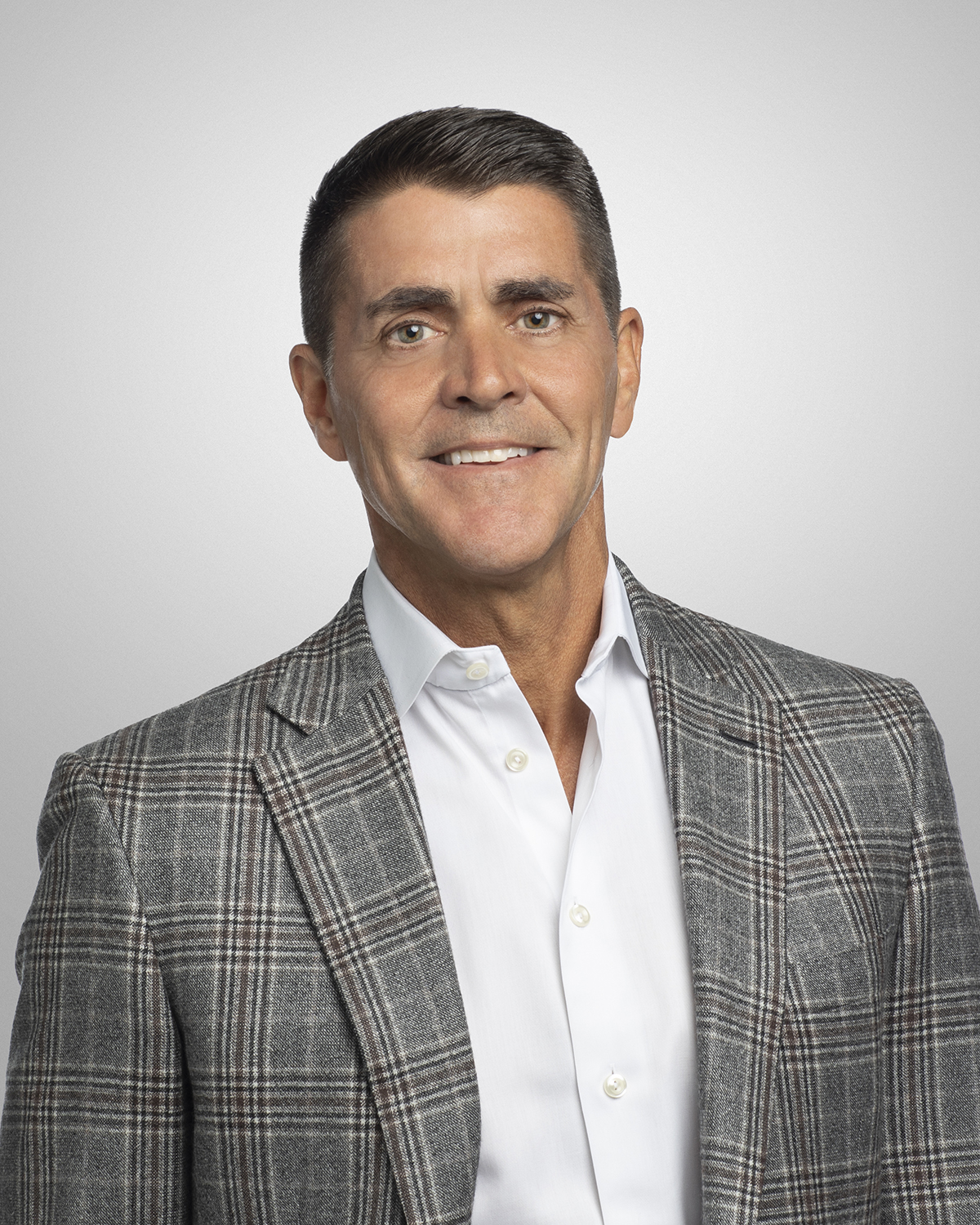
He won his first wrestling championship at 10. Worked the soft-serve machine at his family's Dairy Queen. Earned an Electronics Technician diploma from DeVry - not exactly the pedigree you'd expect from someone who'd later sit on the boards of Zoom, Snowflake, Palo Alto Networks, UiPath, and Aurora simultaneously.
But Carl Eschenbach never cared much for expected paths.
In February 2026, Eschenbach stepped down as CEO of Workday, ending a tenure that saw the enterprise software giant hit $8.4 billion in revenue, join the S&P 500, and launch its AI platform. He's now strategic advisor to the CEO and remains on five other major tech boards - a portfolio that would be a full-time job for most people.
The Strange Specific
Northeast Pennsylvania. 1966. His father worked in a dynamite factory and ran a Dairy Queen on the side. Young Carl learned to flip burgers and serve ice cream before he learned algebra. The lessons stuck: ethics, humility, family first. No room for cockiness when you're cleaning the fryer after closing.
But on the wrestling mat, cockiness was replaced with something else entirely - a competitive fire his coaches called "hate to lose." Six youth league championships before high school. First wrestler in his region named All-Pocono First-Team four consecutive years. Gold medal at the Centennial League tournament as a senior in 1985. Division I scholarship waiting.
Then came the pivot that defines him. Started at Wilkes College to study business. Conventional path. But his brother-in-law landed a solid tech job after just two years at DeVry University. Carl did the math. Switched schools. Got his Electronics Technician diploma. Never looked back.
You have to learn how to lose because it is unlikely you will go undefeated in life; how you recover from those losses defines your leadership.
- Carl EschenbachVMware: The 14-Year Scale
When Diane Greene hired Eschenbach in 2002, VMware had 200 employees and $30 million in revenue. When he left as President and COO in 2016, the company employed 20,000 people and generated $7 billion annually.
The scale wasn't accidental. Eschenbach has a framework for everything, and at VMware he applied what would later crystallize into his philosophy: simplicity scales, complexity does not. He ruthlessly eliminated friction in every process. Made the hard calls about what not to do. Kept two feet firmly planted on the ground even as the company soared.
It's the blue-collar work ethic meeting enterprise software. The wrestler's discipline applied to go-to-market strategy. He didn't just understand the tech - he understood how to sell it, how to build teams that could sell it, and how to scale those teams without breaking them.
Sequoia: Picking Winners
In 2016, Sequoia Capital made Eschenbach a general partner. His sweet spots: infrastructure, SaaS, cloud, enterprise sales. Things you build from the bottom up. Things that scale.
Then came the Zoom deal. 2017. Series D. Eric Yuan, Zoom's founder, had options. Lots of VCs wanted in. Eschenbach convinced him to take $100 million from Sequoia. Only Sequoia. The whole round.
When Zoom went public in 2019, Sequoia owned 11.4% of the company. When Snowflake IPO'd in 2020, Sequoia held 8.4%. Two of the most successful cloud software public offerings in history. Both had Eschenbach's fingerprints on them.
He didn't just write checks. He got in the trenches with founders. Helped them scale. Taught them what he learned scaling VMware. Shared the lessons from the wrestling mat - respect your competition, but don't talk them down. Stay humble. Complacency kills.
The 4 C's Leadership Framework
Eschenbach developed this framework from 35 years of operating experience. He counsels every executive to manage these four threats:
Cockiness
Always remain humble and grounded. No matter how great the company is doing, keep two feet firmly planted on the ground.
Complacency
Complacency kills. It can kill great companies. Never get comfortable.
Competition
Be aware of competitors, but respect and value them. Always be competitive, but never talk down about the opposition.
Compliance
Ask yourself: Are you okay with what you're doing if it's printed on the front page of the New York Times or Wall Street Journal?
Workday: The CEO Chapter
December 2022. Workday announced Eschenbach as co-CEO alongside founder Aneel Bhusri. By February 2024, he was sole CEO. His mandate: operational discipline, global expansion, broader industry focus, AI foundation.
He delivered. Fiscal year 2025 numbers tell the story: $8.4 billion total revenue (16% growth), $7.7 billion subscription revenue (17% growth), $2.5 billion operating cash flow (15% growth). Workday joined the S&P 500 and Fortune 500 on his watch. Launched Workday Illuminate, the AI platform. Acquired HiredScore and Evisort. Built the Workday Agent System of Record.
Then in February 2026, he stepped down. Co-founder Aneel Bhusri returned as CEO. Eschenbach shifted to strategic advisor. The tech press speculated. The stock wobbled. But anyone who understands Eschenbach's career sees the pattern - he builds, he scales, he moves to where he can have the most impact.
And right now, that impact comes from five boards, strategic advising, and mentoring the next generation of enterprise software leaders.
Simplicity scales, but complexity does not; to build a massive organization, you must ruthlessly eliminate friction in every process.
- Carl EschenbachThe Wrestling Mat Metaphor
In 2021, the National Wrestling Hall of Fame inducted Eschenbach as an Outstanding American - an honor recognizing both his athletic dedication and business achievements. The ceremony could have been awkward. The wrestler who became a suit. But Eschenbach never stopped being a wrestler.
The discipline. The competitive fire. The understanding that you learn more from losses than wins. The respect for opponents. The knowledge that talent without work ethic is wasted potential. These aren't metaphors for him - they're the operating system.
He captained his high school wrestling team for three years. Also captained baseball and football as a senior. Lettered in all three sports. Won MVP wrestling awards in 1983 and 1984. Earned that Division I scholarship. The accolades pile up, but what matters is what they represent: someone who understood, from age 10, that winning requires showing up, doing the work, and never assuming you've already won.
What He's Building Now
March 2026. Eschenbach opened Captivate 2026, a conference focused on revenue strategy, sales planning, and AI. Still advising Workday's CEO. Still on five boards. Still mentoring founders and executives who want to scale without breaking.
His aspirations, according to those close to him, center on influence rather than titles. He wants to shape the next generation of technology leaders. Help them avoid the traps - the 4 C's he warns about. Show them how to scale with simplicity. How to compete with respect. How to build organizations that can grow from 200 to 20,000 without losing what made them special at 200.
The DeVry graduate who became one of tech's most sought-after operators doesn't need another CEO title. He proved that point at VMware, Sequoia, and Workday. What he needs is what he's always needed: the next challenge, the next build, the next opportunity to take someone else's $30 million company and show them how to get to $7 billion.
Still competitive. Still humble. Still grounded. Still the kid from Pennsylvania who learned that soft-serve machines and wrestling mats teach you more about scaling enterprise software than any MBA program ever could.
The most important decision a leader makes is deciding what not to do so that the company's core strengths aren't diluted by spreading resources too thin.
- Carl Eschenbach