Why It Works
The Asynchronous
Coaching Thesis
In-person coaching has a structural problem that nobody wanted to name: the coach spends most of the lesson watching. Standing on a driving range, observing swing after swing, delivering feedback between repetitions. It is not the highest use of an expert's time, and it is not the highest quality feedback a student can receive.
Park's model flips this. An athlete submits a video - swing, stroke, pitch, shot. A coach reviews it on their own schedule, watches it multiple times, annotates it frame by frame, records a voice-over, and delivers a structured response. The feedback is more deliberate. The coach can serve more students. The student gets a lesson they can re-watch.
The frequency matters as much as the quality. Traditional golf instruction happens every few weeks, sometimes months. Skillest's model supports frequent, incremental feedback loops - the kind that motor learning research says actually produces skill development. You don't improve by getting one great lesson per quarter. You improve by getting consistent, specific, timely corrections.
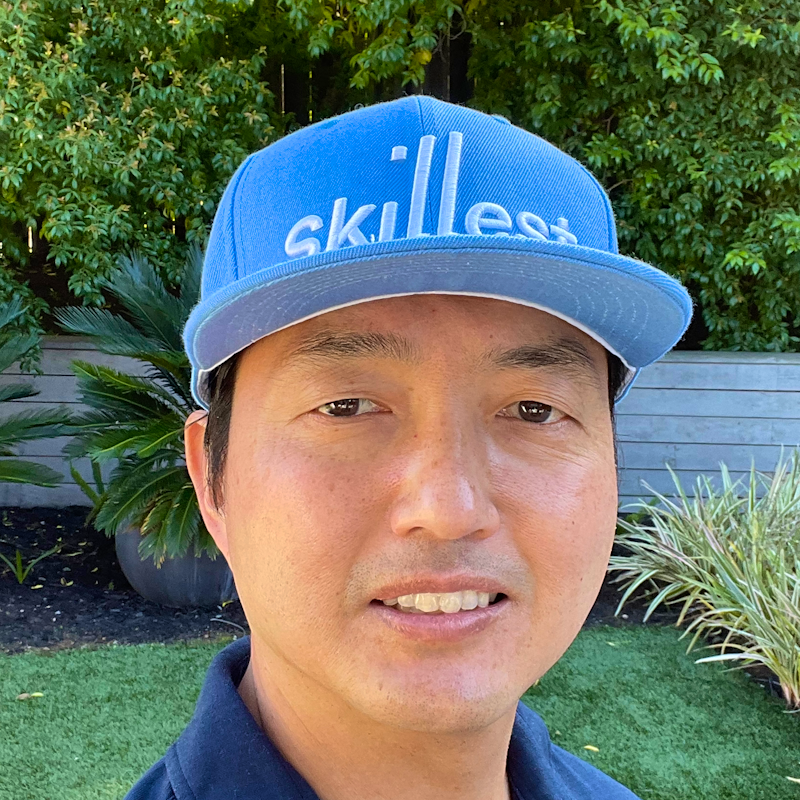
Park has lived this as both builder and user. He coaches golf himself on the Skillest platform, listed in Los Altos Hills, CA - which means he's not theorizing about the coach experience. He's in it.