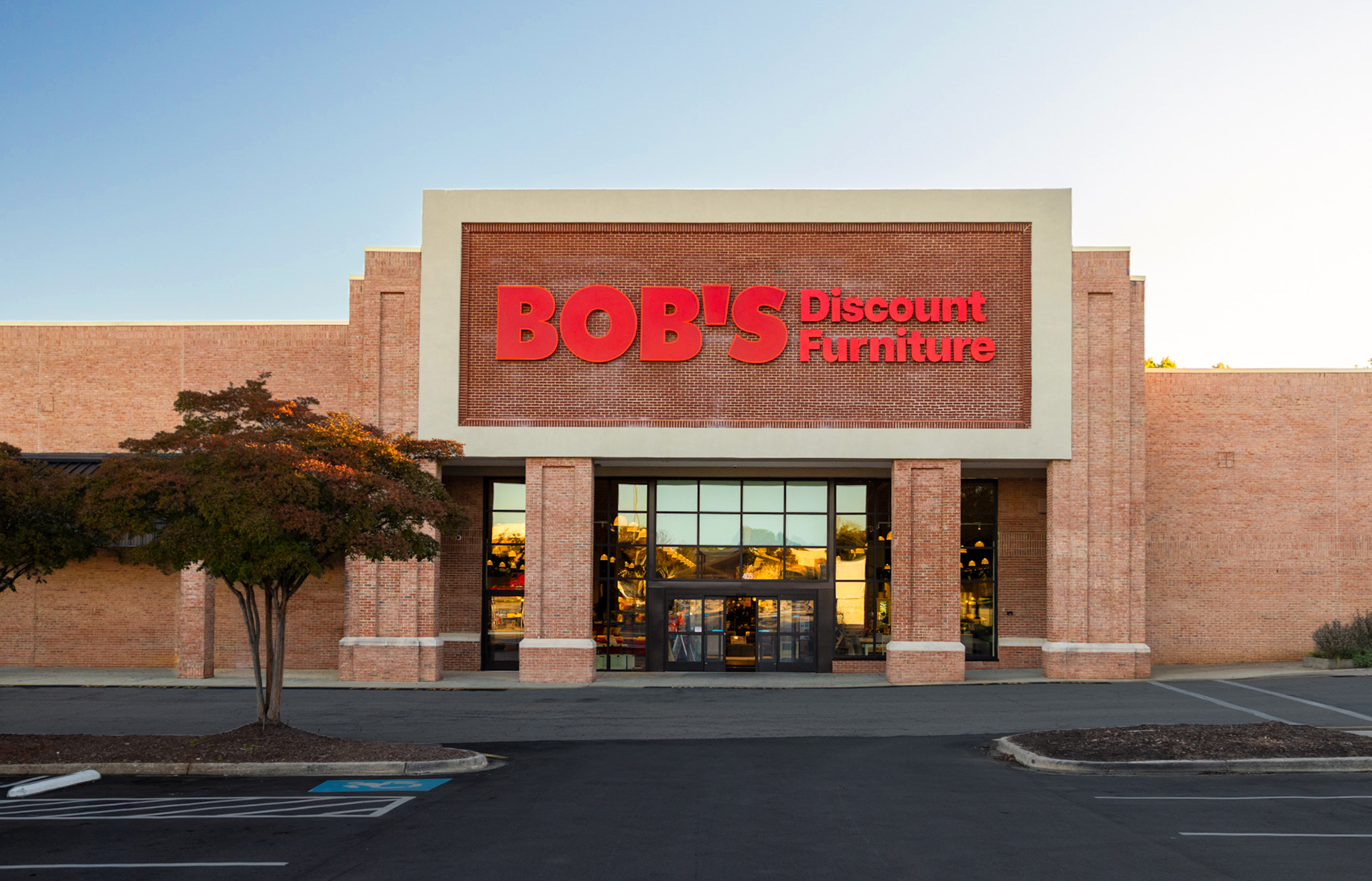
The ice cream is free. The sofa is not. At Bob’s Discount Furniture, this is an unusually useful distinction. Every store has a café, a small invitation to stop behaving like a customer on a mission. Have a cookie. Sit down. Somewhere nearby is an expensive household decision, but the room has been arranged to make it feel less like an examination.
- Everyday pricing replaces the wait-for-a-sale routine.
- A curated assortment concentrates buying power.
- Stores and online shopping share the same cart.
- Delivery and financing still deserve a separate look.
The cafés serve another purpose: community fundraising. Bob’s Community Outreach Team and its charitable foundation say they donate more than $2.75 million to charities each year. Its Café Collections for a Cause program matches guest contributions dollar for dollar, up to $75,000. That gives an otherwise ordinary store amenity a second function, connecting a national chain to organizations outside its own walls.
The interesting question is what happens after the snack. Furniture shopping contains several kinds of uncertainty: whether the price is fair, whether the thing will fit, whether it will feel right, whether it will arrive. Bob’s has built its business around answering those questions in a reasonably consistent order. The cheerful advertising makes the introduction. The operating system has to finish the conversation.
01 / The sale you don’t have to wait for
Bob Kaufman and Gene Rosenberg founded the company in 1991, starting in Newington, Connecticut. Its early proposition rejected the promotional games and aggressive selling that Bob’s still criticizes in its anniversary account. A shopper could buy without needing to win a negotiation or identify the correct holiday weekend. There is something appealing about a discount store that asks you to stop hunting for a discount.
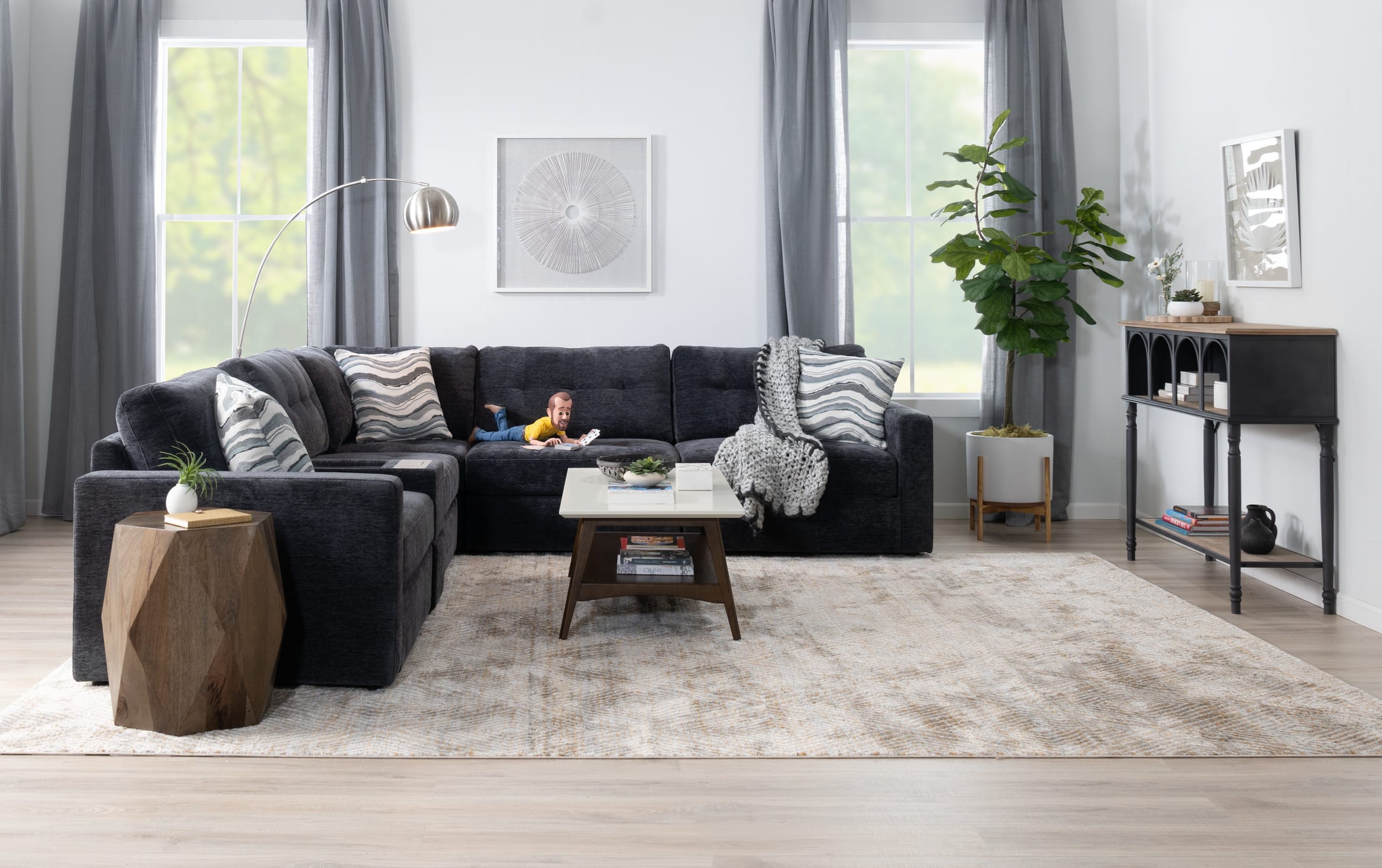
Today, Bob’s sells sofas, sectionals, bedroom sets, dining furniture, mattresses and home accents to households watching their budgets. Its competitive neighborhood includes Ashley, IKEA, Wayfair and regional furniture chains. Those alternatives differ in selection, assembly and service. Bob’s occupies the space where a customer wants to inspect furniture in person, buy at an accessible price and arrange delivery through the retailer.
02 / Fewer choices. More buying power.
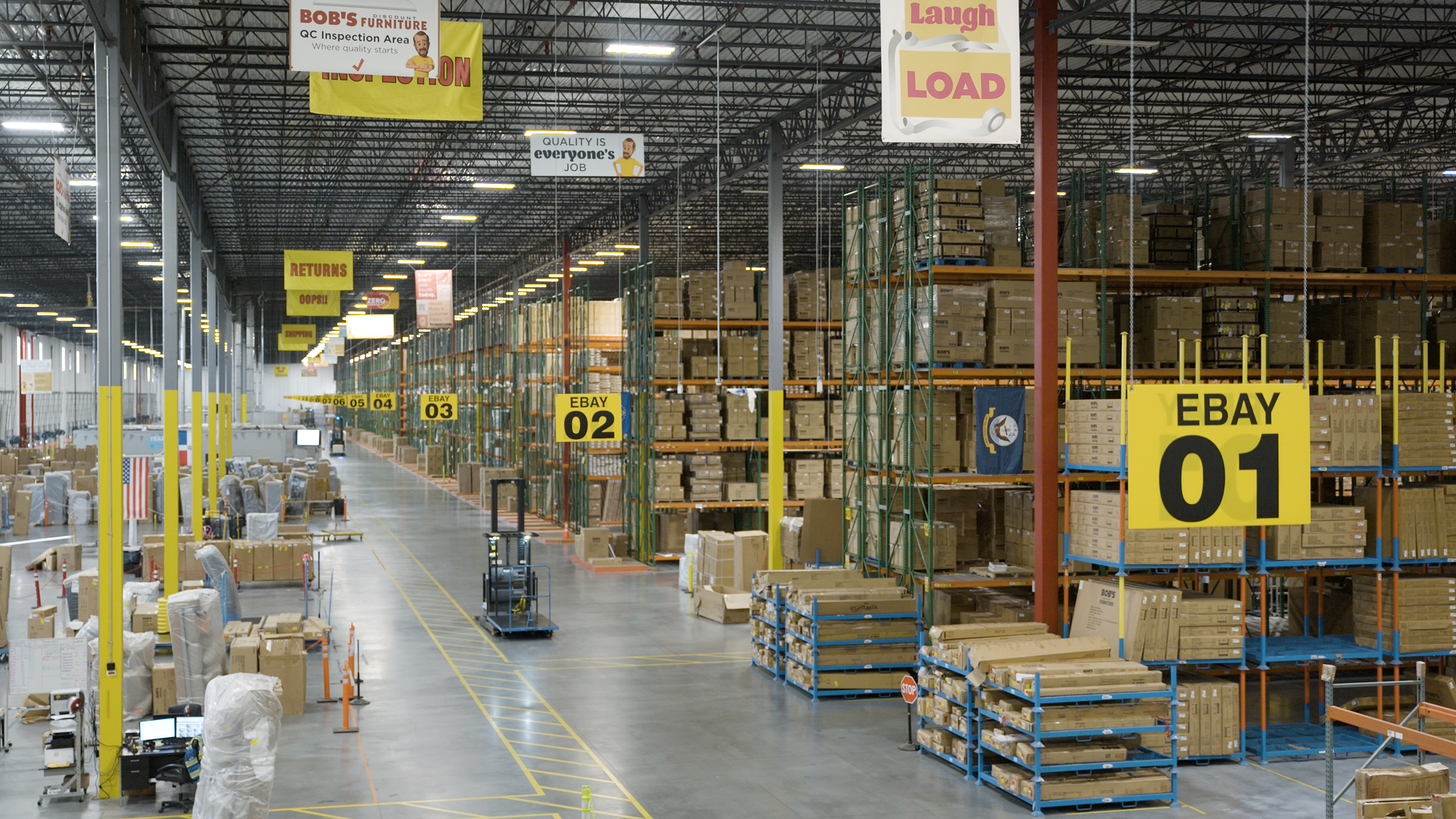
A low price requires choices backstage. Bob’s buys directly from manufacturers and concentrates orders within a curated range. Its prospectus estimates that its assortment contains roughly one-third fewer stock-keeping units than value-oriented furniture competitors. That is the company’s comparison, but the underlying logic is straightforward: fewer variations mean more volume behind each selected item and a stronger position when negotiating with suppliers.
- 01Choose the rangeFewer variations
- 02Concentrate ordersMore buying power
- 03Stock and deliverMake the promise real
The business earns its money selling merchandise and related services. It must therefore buy well, move inventory and control the cost of getting bulky objects into homes. In fiscal 2025, capital expenditures reached $83 million, primarily associated with new stores and a regional distribution center. Pre-opening expenses were another $18.8 million. Those figures cover different activities; neither is a neat price for opening one showroom.
03 / The sofa still needs a test sit
Furniture makes an awkward internet purchase. A photograph can show a cushion’s color without telling you what an hour on it feels like. Bob’s preserves the showroom while connecting it to the phone in your pocket. With OmniCart, an associate can help build a cart in-store; the customer can go home, measure, consult a partner and complete the purchase online.
The free 3D Room Designer tackles another part of the hesitation. Shoppers can draw a room, add furniture and explore arrangements before ordering. Eligible products also support augmented reality. This is useful preparation for a test sit. A convincing screen image still cannot tell you whether your shoulder likes an armrest.
“We like the odds in the end they’re going to buy from us.”Christopher Day · The Weekly Take, October 2026
That confidence even shapes real estate. In an October interview, Christopher Day described Bob’s preference for visible shopping centers and proximity to other furniture retailers. Customers will compare anyway. Make the comparison convenient. The café also gives that unhurried visit somewhere to pause.
04 / The bill beyond the price tag
For a buyer, the practical calculation is the delivered total. Bob’s generally charges separately for delivery. Its published White Glove schedule lists $149.99 for an order subtotal from $600 to $999.99, with location-dependent pricing confirmed at checkout. That service includes placement, unpacking, assembly and packaging removal. Threshold delivery offers a different level of help.
Payment terms change the calculation again. MyBob’s Card promotions require attention to the payoff deadline: deferred interest can apply from the purchase date if the promotional balance remains unpaid. The company’s financing page also explains that a standard lease-to-own agreement can cost more than twice the cash price. An affordable monthly payment and an affordable total are separate tests.
The operating promise has dependencies, too. A system outage shifted roughly $10.2 million of sales between quarters in 2024. Inventory, reliable systems and accessible delivery routes matter as much as the showroom experience. A carefully selected assortment also leaves less room for someone seeking unusual dimensions or a very particular design.
05 / The puppet gets new company
Bob’s advertising now includes couples disagreeing over décor. Its social series, Till Decor Do Us Part, turns that familiar domestic negotiation into room makeovers. The company reported 152 million views and nearly $9 million in attributable sales for season one. For season two, launched in September 2026, it gave established creator couples more control over production. The reported sales suggest traction; without production costs, they do not establish a return on investment.
stores across 27 states
Reported at June 28, 2026
The numbers put some weight behind the cheerful exterior. Fiscal 2025 revenue was $2.368 billion, up 16.8%, with 20 stores added during the year. Second-quarter 2026 revenue rose another 8.8%. Growth, however, is not the same as universal fit: the next customer still needs the right furniture, in the right place, at a workable total cost.
The business behind the puppet is now public, trading as BOBS since February 2026. The useful lesson travels beyond furniture: make a buying decision easier at each step. Concentrate the assortment. Explain the price. Keep the cart intact. For shoppers, the corresponding lesson is equally practical: measure the room, try the seat and compare the complete bill. You can do the arithmetic over ice cream.