At noon on Friday, the red light goes on. Summer Helene, a Hollywood producer who has spent much of her career making other people visible, sits beside Bear Fiorda, an MMA fighter whose public persona was built in places where politeness is a tactical disadvantage. A guest joins them. Sometimes it is a reality star. Sometimes a cutman, a comedian, a designer, a UFC veteran or a former Major League Baseball coach. The microphones do the rest.
This is Behind the Scenes, a Los Angeles media company whose principal product is also its organizing habit: one live conversation every Friday. The show airs on K4HD Radio, appears on Talk 4 TV, becomes a podcast, lands on YouTube and then breaks apart into social material. It is a simple machine. Its notable feature is that the machine has kept running.
The durable ideaHollywood after the publicist leaves
The show's promise is not neutral reportage. It is access with a point of view. Its current slogan - “Half Assed Entertainment News with No Bullshit” - would make a standards department reach for a pencil. It also tells a listener exactly what sort of room they have entered.
Helene supplies the producer's eye. She has described her work in blunt commercial terms: spot the person or project that can connect, then provide the opportunity. Her version of mentorship is less warm bath than open door. Fiorda supplies a different test. His world is combat sports, where a claim eventually meets resistance. The pairing lets the show move between Hollywood self-invention and the less metaphorical business of getting hit.
“I don't nurture; I provide opportunities.”Summer Helene on her approach to talent
That chemistry matters because the market is crowded. Celebrity news can arrive from TMZ before breakfast, from Deuxmoi before it is verified, and from a star's own phone before either. Behind the Scenes cannot win by being first to every fact. It competes by making the hosts part of the reason to listen. The guest brings recognition; the double act supplies the texture.
The business in miniatureRecord once, travel widely
Behind the Scenes is free to watch and hear. There is no visible subscription ladder, enterprise plan or merchandise maze. The business sits inside the Talk 4 Media ecosystem, where the live broadcast, podcast feed and video version create inventory and attention. Guests receive a long promotional window. The hosts receive a recurring platform. The network receives a program it can carry in several places.
One hour becomes a small media network
live conversation
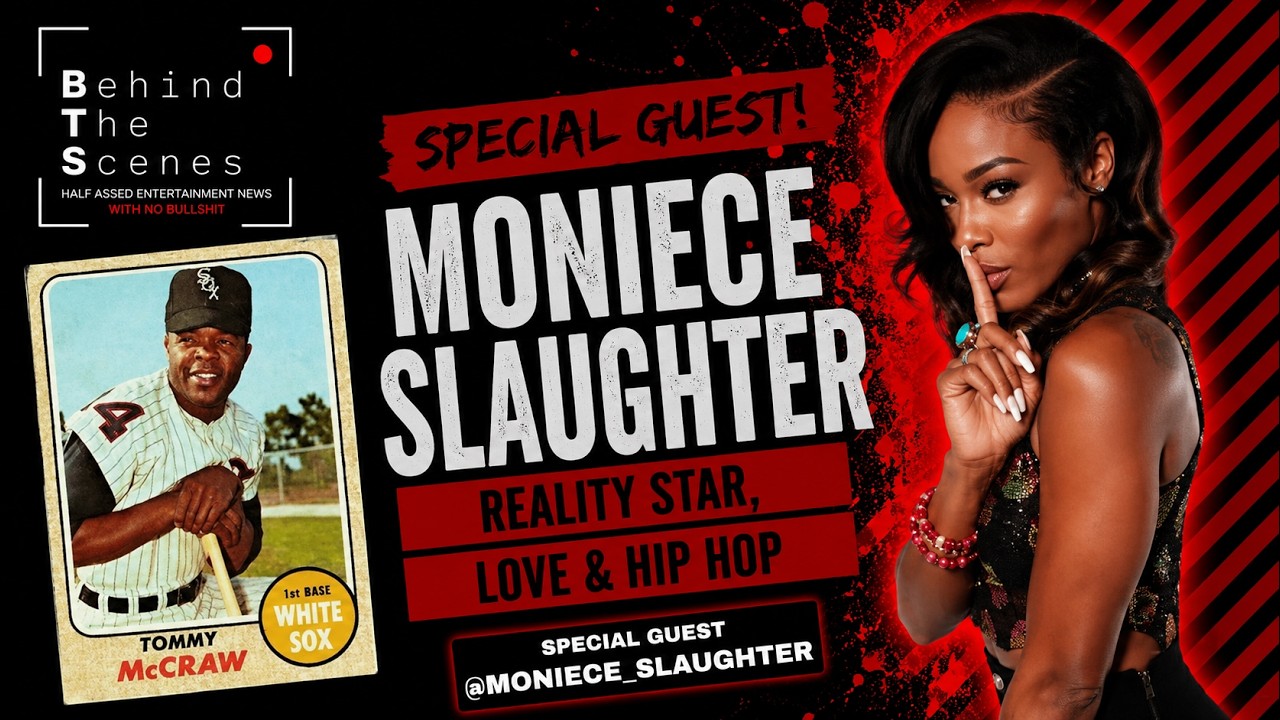
The useful distinction is between production and distribution. Many small shows try to solve both at once, inventing a fresh premise for every platform. Behind the Scenes keeps the production unit stable - two hosts, one guest, roughly an hour - and lets packaging change around it. The YouTube thumbnail can shout. The podcast can sit in a queue. The radio broadcast can catch a driver. They are not separate products pretending to share a brand; they are doors into the same room.
That makes the company's published claim of availability on more than 100 podcast outlets less important as a brag than as an operating clue. Distribution is treated as multiplication, not reinvention. The cost of another directory listing is low once the episode exists. The costly part is the Friday appointment: booking someone worth hearing, preparing enough to avoid a press-release recital, and creating an exchange people will clip.
The hidden plotTwo feeds, one show
There is a quiet break in the show's history. The original VoiceAmerica edition began in 2015 with Helene giving listeners an insider's guide to entertainment. That archive ran to June 2023 and accumulated hundreds of entries. Later in 2023, a new Talk 4 Podcasting feed appeared with Fiorda beside her. Audio became explicitly audiovisual. The posture grew brasher. The subject list widened.
What survived that break was more revealing than what changed. The name stayed. The behind-the-curtain premise stayed. So did Helene's conviction that the interesting part of celebrity is the machinery that produces it. The newer show did not discard the old insight; it gave it a sparring partner and a camera.
This is the difference between a format and a feed. A feed belongs partly to its distributor. A format lives in the audience's expectation. Move a weak show and it disappears. Move a legible one and listeners can still recognize the furniture.
The market fitNot gossip, not quite a masterclass
Behind the Scenes occupies the strip of territory between celebrity gossip and career interview. It can discuss scandal and intimacy, then turn around and ask a fighter or producer how the work actually gets made. That elasticity is why a couture designer and a professional cutman can plausibly appear under the same logo.
The audience is correspondingly broad but not vague: people interested in how public figures become public, especially where entertainment, reality television, influencer culture and combat sports overlap. The problem the show solves is not a lack of celebrity information. There is too much of that. It offers context, personality and time - the things that disappear when a career is reduced to a headline or a 20-second clip.
Its limits are built into its strengths. A personality-led show needs personalities; wide syndication cannot rescue a generic exchange. An access-led show needs access; the schedule becomes punishing when the booking pipeline dries up. And an unfiltered voice works only when candor produces insight rather than noise. The machinery is easy to diagram. The judgment required to feed it is not.
The part worth copying
- Choose a fixed appointment before choosing a dozen channels.
- Build a host pairing with productive contrast, not matching résumés.
- Keep the core recording stable and change the package for each platform.
- Book across adjacent worlds so the audience discovers a pattern, not a niche prison.
A Hollywood company is supposed to be built on a reveal. Behind the Scenes has built itself on recurrence. The red light goes on; the hosts sit down; another person's polished public story is asked to survive an hour of conversation. Then the file travels. By the following Friday, the room is ready again.