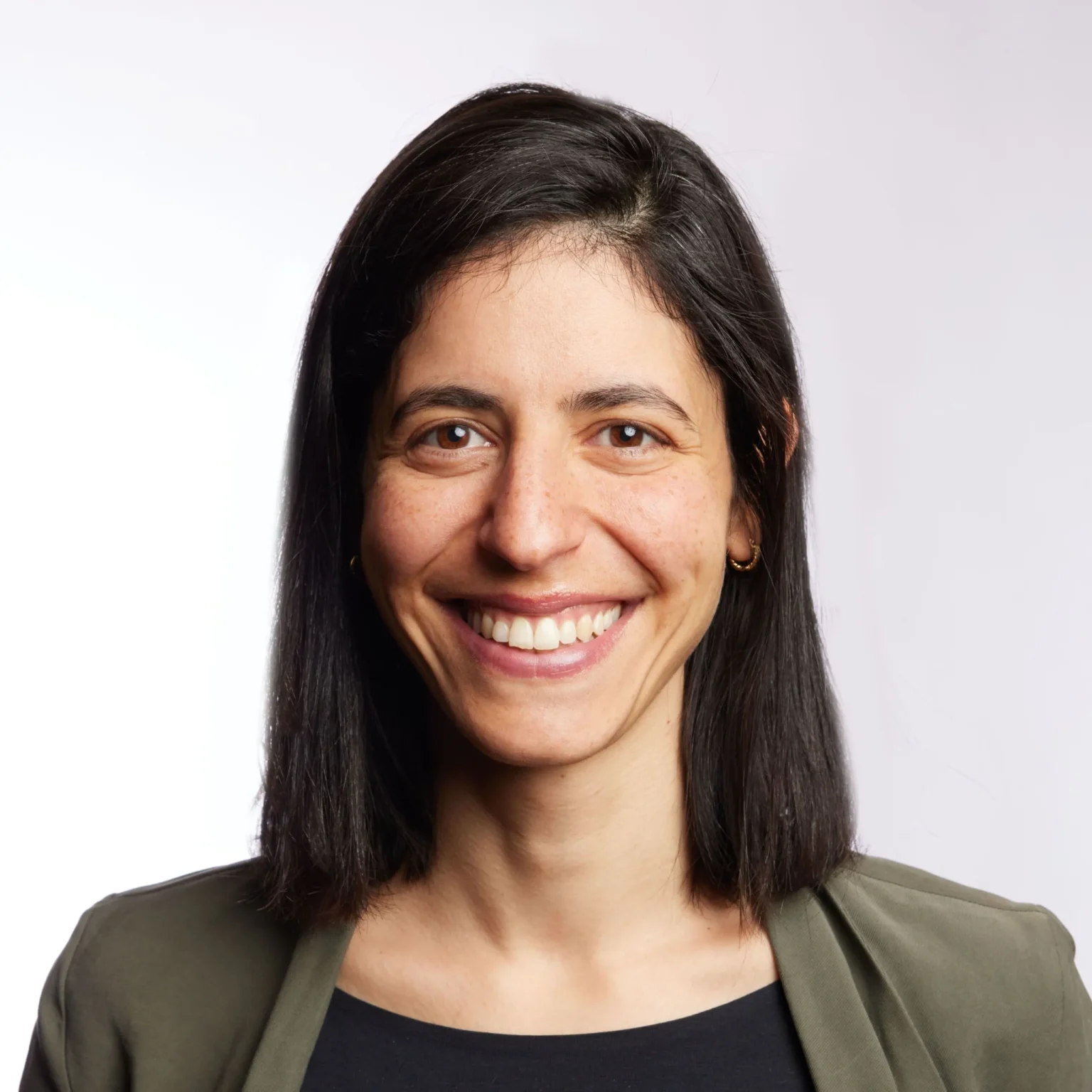
Who she is now
The job is making you trust the dashboard
Barr Moses runs Monte Carlo, a company built on a quietly radical premise: the data flowing through a modern enterprise breaks just like software does, and almost nobody is watching. Her platform watches. It tracks the freshness, volume, and shape of data as it moves through pipelines, and it raises an alarm the moment something drifts - a column goes null, a table stops updating, a number quietly lies.
Before Monte Carlo, teams found out their data was wrong the worst way possible: an executive squinting at a report that did not add up, days after the damage was done. Moses calls those stretches data downtime - the periods when data is partial, erroneous, missing, or otherwise not to be trusted. Naming it was half the work. You cannot sell a fix for a problem people have no word for.
Today that vocabulary is everywhere. “Data observability” is a line item in enterprise budgets, a phrase analysts use, a category with competitors. Moses wrote the dictionary entry and then built the reference implementation.
The origin
Three startups at once, may the best one win
In 2018 Moses wanted to start a company and did not know which one. So she ran an experiment on herself. She worked three different startup ideas in parallel and let customers pick the winner. The idea that drew the most desperate interest from technical leaders was the one about broken data - the pain she had lived through her entire career. That idea became Monte Carlo, named after the simulation method that runs thousands of scenarios to find the likeliest outcome. Fitting for a founder who treated her own career as a probability test.
The signal was loud. When she asked data professionals what kept them up at night, the same fear surfaced again and again: nobody could vouch for the numbers. Pipelines failed silently. Trust evaporated. Smart people spent their days firefighting instead of building. She co-founded the company with Lior Gavish in 2019 and gave the fear a name and a product.
The thread that runs through it
A lifetime of caring whether the number is real
The connective tissue of her resume is suspicion - the productive kind. In an Air Force intelligence unit, a wrong number is not a bad quarter, it is an operational failure. That instinct survived the move to Bain, to Gainsight's customer data team, and finally into a product. Moses did not discover data reliability in a lab. She collected the scar tissue first and built the company second.
That is also why Monte Carlo borrows so heavily from software engineering. Site reliability engineers have had observability tools, on-call rotations, and uptime SLAs for years. Moses looked at the data world's broken dashboards and asked the obvious question nobody had productized: why does data not get the same alarms? Treat broken data like a broken server, and suddenly the whole discipline has a shape.
She is also an unusually prolific writer for a CEO. She co-authored O'Reilly's Data Quality Fundamentals: Building Reliable Data Pipelines while building the company that productizes the same ideas - publishing the textbook and shipping the tool at the same time. Her essays and posts did as much to define the category as her sales team did.