A DJ learns the truth before the spreadsheet does. The room either moves or it does not. Avante Price knew that feedback loop early. He says his father taught him to DJ when he was five; by his teens, he was entering hip-hop turntable competitions and building his first marketplace. Years later, as an NYU student playing clubs and working New York events, the lesson became commercial: a good night depends on dozens of invisible systems, and most of them were not designed for the person actually creating it.
The ticket page carried somebody else's brand. Promotion was blunt. Payouts arrived late. The organizer did the risky, sweaty work while the marketplace kept center stage. Price and Eli Taylor-Lemire, a photographer he met while freelancing around the same events, began hosting their own parties in 2019. They called the operation Posh. The first version was not a venture-backed software thesis. It was two students trying to make a better room.
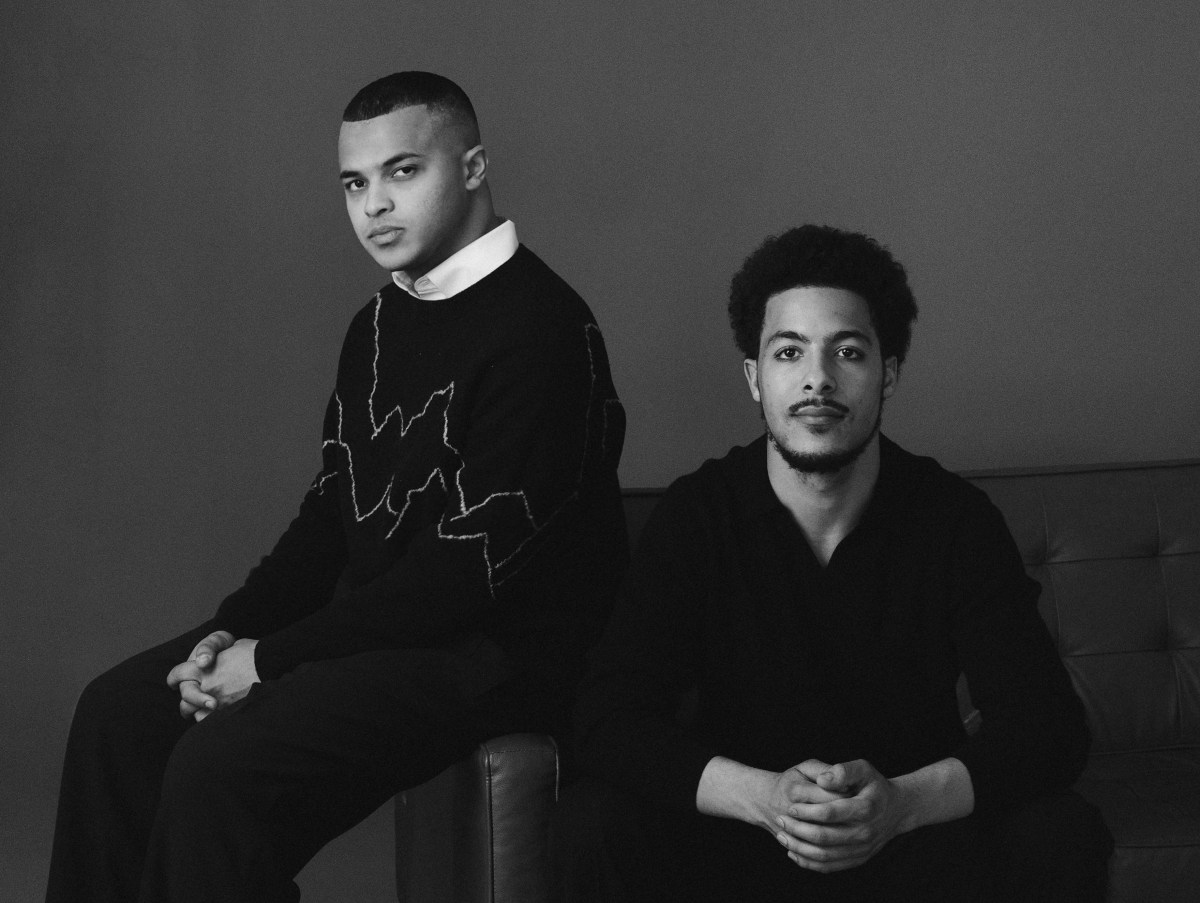
This is the detail that makes the Posh story useful. Price did not observe the event business through a pitch deck. He worked inside its inconveniences. He and Taylor-Lemire saw tired venues and generic tools, then built what their own gatherings required. Their domain expertise arrived with a guest list, a late-night load-out, and the nerve-rattling arithmetic of whether enough people would turn up.
Price had already developed a taste for marketplaces. He says he launched his first at 15, an early rehearsal for coordinating people who wanted something with people willing to provide it. Events made that abstraction louder. Supply had a face: the host printing wristbands, answering messages, negotiating with a venue, and wondering when the money would clear. Demand had plans that changed by the hour. The useful software could not merely list an occasion. It had to respect the organizer's identity, remove clerical drag, and help a one-night gathering become a repeatable community. Posh's eventual feature set reads like a diary of those frictions. Custom pages answered the branding problem. SMS answered the reach problem. Referrals turned regulars into distribution. Daily payouts addressed the cash-flow problem. None of it was especially romantic, which is often how one recognizes infrastructure doing its job.
The product was hiding in the party
When the pandemic emptied venues, Posh's event-company model ran into a locked door. The founders used the pause to rebuild. By October 2020, the company had re-emerged around tools for organizers: customizable event pages, SMS campaigns, referrals, and daily payouts. The shorthand was “Shopify for events.” It was a revealing comparison. The organizer would own the identity; Posh would supply the machinery.
Price and Taylor-Lemire left NYU before graduating to focus on the company. Neither came from a conventional software background. Price's LinkedIn biography reduces the arc to a syncopated line: “DJ at 5. founded first marketplace at 15. got a full ride to NYU. dropped out to redefine…” The unfinished sentence feels appropriate. Posh itself kept changing nouns: event company, ticketing platform, organizer operating system, discovery app.
The mission moved less. Price talks about belonging with the seriousness other founders reserve for retention. In 2024, after Posh announced a $22 million Series A, he asked people to remember the most meaningful moment of their previous week. His bet was that it involved someone they cared about. Digital feeds had become very good at representing connection and strangely poor at delivering its physical version.
“Belonging is the key to happiness.”Avante Price
There is an appealing contradiction here: use a social app to get people off social apps. Price does not dodge it. Posh borrows the discovery mechanics of a feed, but the desired conversion is a body through a door. A tap is useful only if it becomes dinner, a dance floor, a comedy show, a run club, or a conversation that cannot be refreshed.
Mission, however, does not reconcile a payment processor. Price's other recurring theme is that sentiment must survive contact with economics. Posh charges attendees on paid tickets while letting organizers use the core platform without a direct fee. He has pointed to people who left nine-to-five jobs after their side events became full-time income. The claim at the heart of the company is not merely that gatherings matter. It is that the people who create them can build durable businesses.
Earn the feed
In startup mythology, the consumer network often arrives first, immaculate and viral. Posh took the service entrance. It began with the organizer's transaction: build the page, reach the audience, sell the ticket, pay the host. Only after accumulating organizers, events, and attendance signals did the company push harder into personalized discovery.
Price summarized the sequence in five words: “own the transaction first.” The phrase is less glamorous than “reinvent social media,” which is precisely why it matters. Transactions create a reason for organizers to remain. Organizers create inventory. Inventory gives consumers somewhere worth browsing. Attendance reveals taste more honestly than a heart icon might. Each layer earns the next.
How the wedge widened
By March 2026, Posh said it had nearly eight million users and roughly 50,000 organizers. The platform had processed 25 million tickets and $350 million in gross merchandise value since inception. Its leading organizers were generating more than $10 million each. Posh had moved beyond basement parties into festivals and brand activations while still courting the dinner host and niche community builder.
The company raised $37 million in a Series B led by FirstMark, with Causeway Ventures, Goodwater Capital, Companyon Ventures, and Epic Ventures participating. Price described three priorities: deepen the organizer toolset, apply AI to insights and operations, and make discovery more personal and social. The money announced scale; the roadmap announced a more difficult problem.
Selling a ticket is finite. Recommending the right room is atmospheric. The app must understand not only where you live and what category you click, but what sort of crowd makes a Thursday feel promising. Price has called it a “Netflix-style feed,” informed partly by a broader social graph: not just the close friends already vibrating in the group chat, but the 10 or 20 people you like and somehow never text.
“The harder problem is those 10 or 20 people you'd love to catch up with but never text. We're trying to reintroduce that serendipity.”Avante Price
A founder trained by the room
Price's public persona contains two tempos. One is the promoter's urgency: move, gather, ship, keep the energy up. A former colleague's LinkedIn recommendation describes ambitious goals, high standards, and an ability to rally people around a vision. The other tempo is more reflective. In long interviews, Price returns to the emotional reason for the machinery. Events gave him a way to find like-minded people. He wants the product to make that route easier for others.
Wrestling in high school also appears in his telling of the founder journey. He has discussed its lessons about discomfort and stamina, an athletic vocabulary for work that can otherwise sound bloodless. The connection is not that startups are sport. It is that both expose performance. The clock, the mat, and the room are unsentimental. Intention is invisible until something happens.
That bias toward lived evidence may explain why Posh's evolution feels coherent despite the changing metaphors. “Shopify for events” described control. “TikTok for events” described discovery. The company did not abandon the first to chase the second; the infrastructure beneath the organizer gives the consumer feed something real to recommend.
It also gives Price a cleaner answer to a familiar founder trap. Fundraising can become theater about future theater. He has argued that founders should build a strong business instead of organizing the company around its next round. Posh's pitch pairs a soft human objective with hard marketplace proof. As Price put it, the company tries to stay authentic and mission-driven while running a business that makes money.
The group chat, finally answered
The product question now is deliciously ordinary: “What are we doing tonight?” The core group chat can usually solve itself, Price says. The unclaimed territory lives at the edge of the address book, among acquaintances who could become friends and interests that have not yet become rituals. Posh wants to turn that latent possibility into a plan.
Success will require restraint as much as clever recommendation. A system built around human closeness cannot reduce every relationship to optimization without losing the plot. Serendipity works because it retains a small allowance for surprise. The algorithm can point toward the door; the room must do the rest.
Price was named with Taylor-Lemire to Forbes' 2026 30 Under 30 list in Marketing & Advertising. It is a tidy recognition for a pair who met doing untidy work. The more telling achievement is the path from throwing their own events to supporting tens of thousands of organizers. Posh has become larger by making the host more visible, a useful inversion in an industry where platforms often prefer to own the marquee.
A DJ knows the track is not the party. A ticketing founder eventually learns the ticket is not the event. The object is the moment after the scan: someone arrives, sees somebody they hoped might be there, and stays. Price is building elaborate software around that small human scene. The final interface is a room full of people, and ideally nobody is looking at the interface at all.