An insurance claim is a peculiar place to begin caring about someone. By then, the person may already need help dressing, bathing or getting through the day. Assured Allies starts earlier. Its proposition is that an insurer has a financial reason to help a policyholder remain independent - and that a coach, a personalized plan and practical support can give that reason somewhere useful to go.
- For policyholders: aging support through participating insurance providers.
- For insurers: wellness, underwriting and product development designed around long-term care risk.
- The twist: some wellness participation earns extra care benefits.
A business born on the family side of the bill
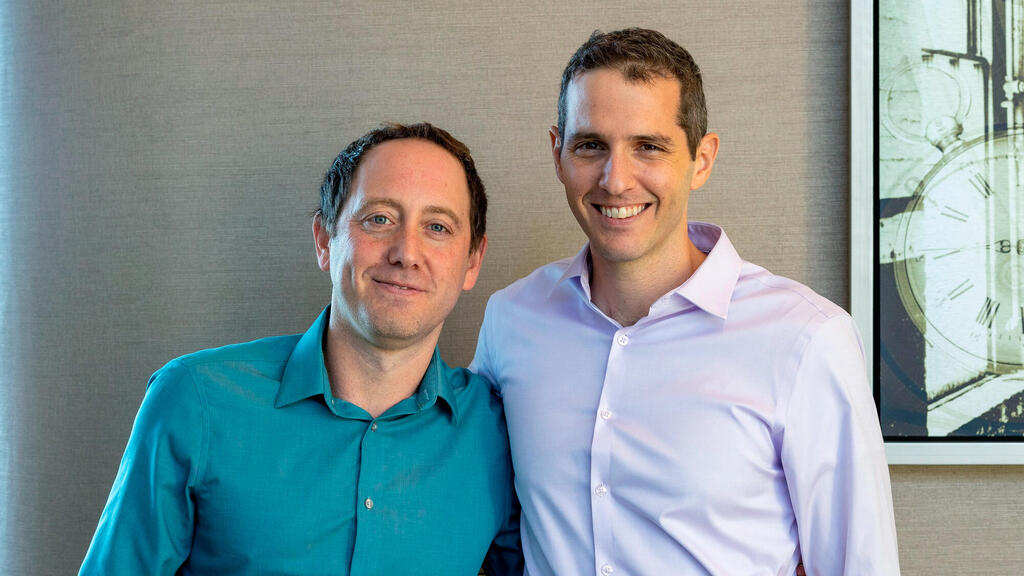
Roee Nahir and Afik Gal came to the problem as family caregivers. Nahir was a technology entrepreneur; Gal was a physician with healthcare experience. Their company began developing aging technology in 2017. The starting concern was familiar: a loved one’s changing needs bring emotional strain alongside financial worry. The opportunity was to offer help before those worries hardened into a crisis.
“Everyone deserves to age successfully,” Gal said when the company announced AgeAssured in December 2020. The sentiment is generous; the mechanism is commercial. Participating long-term care providers offer eligible policyholders a voluntary program at no cost. An aging professional, called an Ally, learns what someone needs and coordinates a plan, including ongoing support and help for caregivers.
What makes this interesting is where the money comes from. A household wants independence. An insurer wants fewer expensive care claims. Assured Allies tries to make those preferences reinforce each other. Its business customers are carriers and financial institutions; the people receiving support are their policyholders. The company occupies the interval between buying protection and needing to use it.
The policyholder who does not need an app pitch
Consider CalPERS. In May 2024, it launched AgeAssured for long-term care policyholders aged 75 and older who were not yet on claim. Participation is voluntary and free. The partnership announcement described access for more than 45,000 eligible people over at least five years. Eligibility, of course, is different from enrollment. The distinction matters whenever a company talks about its reach.
CalPERS also says its long-term care program has temporarily suspended new applications because of uncertainty in the market. That makes the pairing revealing: a troubled insurance category can still invest in helping existing policyholders. The opportunity is to give an existing policy a more active role. Prevention gives the insurer something to do during the waiting.
The human part is deliberate. In a 2023 interview, executive Larry Nisenson described offering wellness conversations over the telephone to members who preferred it. He emphasized starting with the member’s own priorities, then agreeing on activities and follow-up. “This is their program,” he said. A digital business can still have the good manners to use a telephone.
“This is their program.”
Larry Nisenson, on beginning with the member’s priorities
When a healthy action buys more protection
NeverStop takes the idea into newer insurance products. EquiTrust’s Bridge combines a fixed index annuity, a long-term care rider and the NeverStop Health Coaching & Rewards Program. Assured Allies provides the program; EquiTrust issues the contract. A policyholder can activate a member account, receive a personalized plan and work with a coach.
The reward is unusually relevant. Eligible actions earn Sparks, which convert into wellness credits added to long-term care benefits. EquiTrust’s current materials describe working on one to three actions at a time, with participation evaluated over two-year cycles. Partial completion earns partial credit. Earned credits remain even if the wellness rider ends. The design makes modest participation count.
actions
Sparks
benefits
There is a price attached. The Bridge materials specify a $100 annual fee deducted from the contract’s accumulation value. That is the program fee, not the total cost of the annuity or its care rider. It is also a useful reminder that “wellness included” does not settle the question of what a financial product costs.
The actuary behind the coach
Assured Allies also sells the machinery around the program: digital underwriting, actuarial product design, regulatory support and distribution training. Its underwriting combines home-based cognitive and functional screening with medical and claims information. The company reports an average completion time of 32 minutes across more than 2,000 sessions. Speed matters because a lengthy application can lose a customer before coverage begins.
Its practical distinction is the combination. A monitoring device can flag trouble; a care provider can supply help; an insurance contract can pay defined benefits. Assured Allies brings assessment, coaching and product economics into a carrier relationship. Its multidisciplinary team includes clinicians, health coaches and actuaries. That mix explains why this looks as much like insurance infrastructure as a consumer wellness service.
Distribution is part of that work. Assured Allies offers advisor training, calculators and carrier-branded educational materials alongside its technology. This addresses a mundane obstacle: somebody must explain the product clearly enough for a customer to act. A wellness feature buried in a policy has little chance of changing anyone’s routine. The agent’s conversation is therefore part of the path from product design to participation.

Seven percent, with the label left on
The current wellness page reports a 7% claims-cost reduction in the pre-claim program. It also reports a 71% engagement rate and a 66% successful-intervention rate reported by members. These measure different things. Engagement does not equal improved health, and reported improvement does not automatically establish what caused a change in insurance spending. The claim is meaningful precisely when its definition stays attached.
The timing makes evaluation tricky. A member can complete an action this week; the care spending that action might influence could arrive much later. For a carrier considering the program, the useful questions concern the comparison group, the measurement period and which costs are counted. Those questions turn a percentage into something a business can assess. They also keep the story honest about the distance between a promising intervention and a lasting result.
Company-reported result for its pre-claim program. An aggregate measure, not an individual forecast.
Building that proposition has required capital. A $18.3 million Series A in 2021 was followed by a $42.5 million Series B in March 2023, co-led by FinTLV Ventures and Harel Insurance. The current company website reports more than $78 million in funding. Those are financing figures, not revenue or a valuation.
For readers building another business, the useful lesson is to identify who benefits financially when a customer’s problem gets smaller. Then make participation manageable and attach the reward to something the customer values. The conditions are demanding: a willing carrier, suitable coverage and people who can use the support. Prevention cannot guarantee independence, and access remains tied to partner arrangements. But it gives the years before a claim a purpose beyond waiting.