At an AMAZE concert, the person beside you can be cheering at precisely the same singer in precisely the same song, yet neither of you is really looking at the stage. You are sitting in a cinema wearing a headset. Inside it, a life-size performer looks you in the eye from roughly two inches away. Outside it, an attendant has probably reminded you that low hairstyles work best. The future of music, it turns out, still has to fit around a ponytail.
That contrast explains the Los Angeles company formerly known as AmazeVR. Its product is technologically dense: custom stereoscopic cameras, ultra-high-resolution live-action capture, visual effects, spatial sound, game-engine environments and hand-tracked interactions. Its customer proposition is almost comically plain: get closer to an artist than a front-row ticket allows, without the artist having to visit your city.
AMAZE makes the concert, distributes it through its headset app and tours it through theaters that provide the hardware. Fans are the buyers. Artists, labels and managers supply the scarce attraction. Cinema operators supply rooms, seats and local ticketing. Meta, Apple and other headset platforms supply the at-home shelf. AMAZE sits between all of them as studio, software maker and touring operator.
Act I / the wrong-sized ideaFirst, make everything
The company began in 2015 with four veterans of Kakao: Steve Lee, JB Lee, Jeremy Nam and Steven Koo. The founding idea was much wider than concerts. AmazeVR wanted to make immersive content easier to create and distribute, at a time when the industry kept waiting for consumer headsets to become the next personal screen. Its early app carried assorted VR stories and 180-degree video. The team was trying to build both a toolset and the library that might justify owning a headset.
The first failure was not a spectacular bankruptcy or a headset catching fire. It was dilution. Producing many kinds of VR content stretched a small company across too many creative muscles, while the consumer market grew more slowly than the optimistic charts. A planned concert with R&B duo Ceraadi was delayed amid the pandemic. Later, SteamVR stopped accepting new downloads of the concert app. None of those events killed the company. Together they made breadth hard to defend.
In 2020, the team concentrated on music, drawing from an earlier product called Music Box. Company representatives later explained the choice with two clues: the old approach stretched the team thin, and music was a universal connector. The pandemic did not invent the thesis, but it sharpened the problem. Artists lost physical dates. Fans learned to tolerate mediated performance. The remaining question was whether VR could feel more intimate than another rectangle on a laptop.
Act II / the concert factoryKeep the singer real. Let the room misbehave.
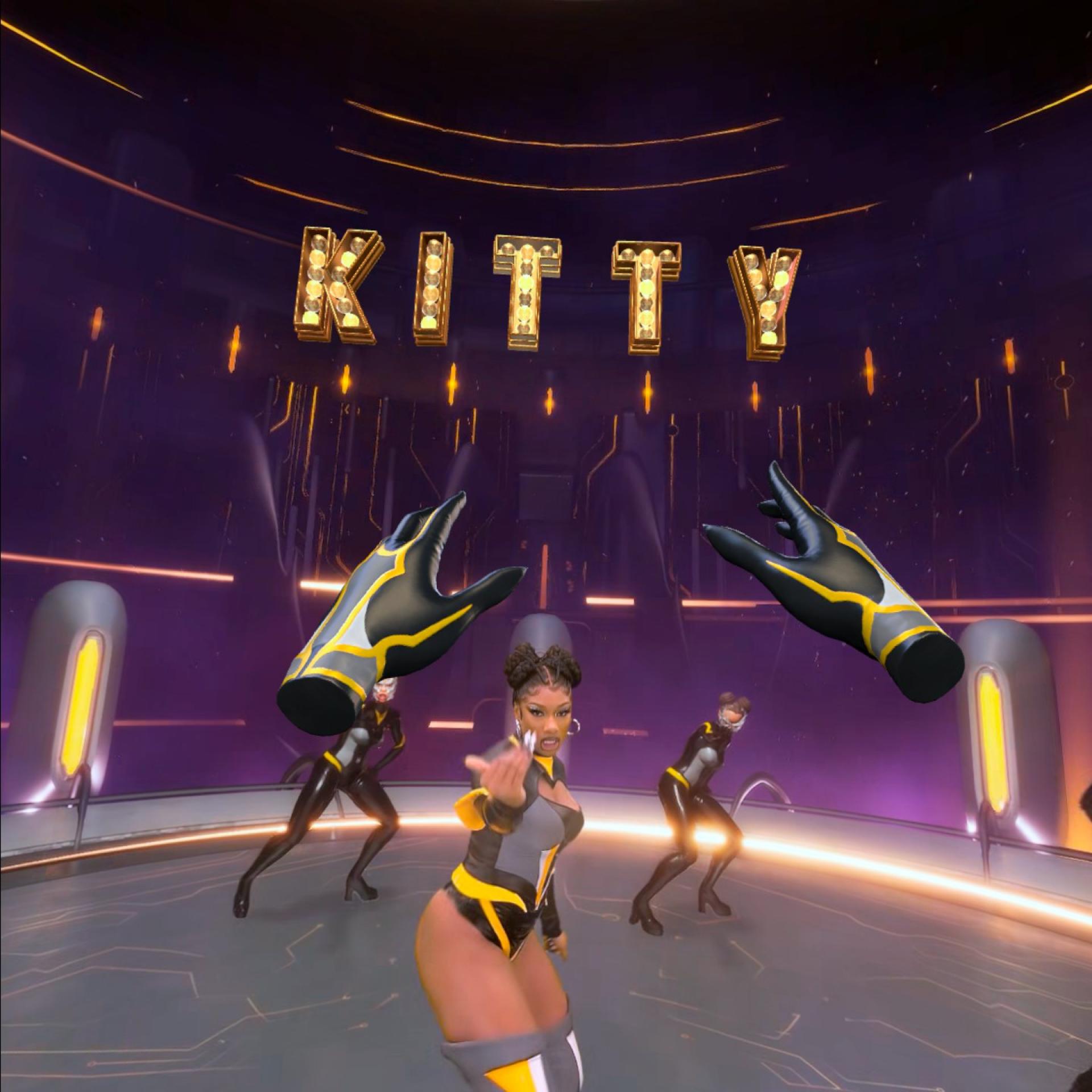
AMAZE does not begin by turning an artist into a cartoon avatar. It records the real performer in stereoscopic video at 8K or higher, then composites that person into a computer-generated environment. The artist retains the face, wardrobe and physical performance fans recognize. The stage gains permission to become a portal, spaceship or neon fever dream. That hybrid separates AMAZE from avatar-led shows in social worlds and from flat concert films watched through a headset.
The production model is expensive in people and coordination. Camera engineering, cinematography, choreography, post-production, VFX and software have to agree on the location of a body that viewers will inspect from an unnaturally close distance. AMAZE has raised substantial venture funding to assemble those capabilities under one roof. The supplied company record puts total financing at about $66.4 million, while publicly announced rounds include $9.5 million in 2021, $15 million in early 2022 and another $17 million that September.
Vertical integration is both advantage and burden. A label does not have to stitch together a camera inventor, game studio and touring vendor. AMAZE can reuse its pipeline across artists. But this is not cheap SaaS with a new logo for every customer. Each show still needs the person fans care about, a production designed around that act, music rights and a distribution plan capable of repaying the work.
Act III / the distribution trickThe cinema is a hardware rental counter
The inspired decision was to treat low headset ownership as a logistics problem. In a participating theater, customers need no equipment. A headset waits at the seat; friends attend together; venue staff handle setup; the room already knows how to scan tickets and move audiences on a schedule. The performance feels private, but the outing remains social.
AMAZE tested the format commercially with Megan Thee Stallion’s Enter Thee Hottieverse, which reached AMC locations in 15 U.S. cities in 2022. The company reported about 75 percent attendance, compared with the much lower average cinema occupancy cited at the time. Tickets ran roughly $20 to $25. That is the cleanest answer to “what did it cost?” for the early U.S. proof: more than a normal movie, dramatically less than a scarce arena seat, with the headset included.
At home
Download the app, try one song free, then buy a full concert. Convenient for headset owners; invisible to everyone else.
In theaters
Buy a timed ticket and borrow the device. More operations, but far less hardware friction and a reason to bring friends.
The company kept both channels. Its app launched on Meta Quest in 2023 and reached Apple Vision Pro in 2024. Each artist offers a free-song sample, while full concerts are one-time purchases rather than a subscription. The cinema business, meanwhile, grew into international runs. TOMORROW X TOGETHER’s HYPERFOCUS traveled across multiple regions in 2024 and 2025. CHA EUN-WOO followed with a 21-city tour. By 2026, public schedules showed concurrent programs for TWS, &TEAM, LE SSERAFIM and another TOMORROW X TOGETHER show.
This creates more than one chance to earn from the same expensive shoot. A theater run can introduce the format to people who lack hardware. A later app release can keep the concert available after the physical tour leaves town. The catalog gives a new headset owner something to buy on day one. For artists, the promise is reach without rebuilding a live production in every market; for venues, it is a premium event that uses seats between blockbuster openings.
The stealSell the outcome, then carry the friction
Founders can copy the structure without copying VR. First, reduce an emerging technology to a specific emotional job. AMAZE does not sell spatial computing; it sells impossible proximity. Second, own the few layers that determine quality. A shaky outside vendor at capture or post-production would break the illusion. Third, use existing infrastructure for everything that is not distinctive. Movie theaters already have dark rooms, seats, ticketing and local audiences. AMAZE adds the headsets and content.
The free song is equally practical. Immersive media is miserable to demonstrate in a flat advertisement, so the product contains its own trial. The viewer pays only after the difficult concepts - stereoscopy, scale, presence - become an experience. For companies selling unfamiliar interfaces, a complete free moment can outperform a long feature list.
When the playbook breaks
- The fan base is too small or geographically scattered to fill scheduled rooms.
- The artist lacks enough visual performance or fandom intensity to justify a premium over video.
- Venue labor, cleaning, device failures and slow audience turnover consume the ticket margin.
- The production cannot be reused across enough cities, platforms or sales windows.
- Viewers value crowd energy, spontaneity and a live band more than engineered closeness.
AMAZE is not replacing live music. The sweat, risk and collective roar of an arena remain stubbornly analog. It is building a different format between the concert film and the tour date - recorded once, staged impossibly, distributed repeatedly. Competitors such as Wave, Supersphere, Venta X, social VR worlds and Apple’s own immersive programming approach pieces of the same market, but few combine a recognizable live-action star with a portable cinema operation.
The 2026 slate is the test that matters. A single Megan Thee Stallion experiment could be a novelty; multiple artists crossing cities and cinema chains begins to look like a calendar. AMAZE’s achievement is not proving that VR can produce a dazzling clip. The industry has produced those for a decade. It is making the clip ticketable, repeatable and easy enough for a fan who does not own the machine.