The useful thing about a bad launch date is that nobody can accuse you of having chosen the easy moment. Allison+Partners opened in San Francisco on September 4, 2001. The dot-com party had already ended. The firm was underfunded, its name meant little outside a tight circle, and exactly one week later the world changed. The founders had the romantic accessory - a plan reportedly scratched onto a cocktail napkin after Scott Allison and Andy Hardie-Brown met for a drink - but not the romantic conditions.
They also had a deceptively ordinary rule. Do good work. Hire good people. Keep them. It is not the sort of sentence that sells airport books. It did, however, survive recessions, a majority sale, a holding-company merger, international expansion and the slow disassembly of the public-relations business as everyone once understood it.
The interesting part of Allison's story is not that it survived a terrible beginning. It is that the company eventually had to retire the category that made it successful.The label failed before the firm did
When the plus sign became too small
In 2010, MDC Partners bought a majority interest in Allison+Partners. The price was not disclosed. At the time, Allison was recognizably a PR agency: media relations, corporate communications, technology, healthcare, public affairs and consumer campaigns. Its roster included Samsung, Sony, Hasbro and Best Western. The investment supplied reach and resources while management kept operating independence.
Then the work spread. An executive reputation problem could require employee communications, a listening system and scenario planning. A product launch could need creators, paid media, short-form video and a live experience, all before the first reporter was called. A purpose brief might begin with stakeholder mapping and end with community partners. The press release had become one instrument in a crowded orchestra.
By 2023, the firm's old name was giving the wrong directions. Allison+Partners became Allison and described itself as a global integrated marketing and communications consultancy. The rebrand did not invent the expansion. It admitted it. The thing that changed management's mind was the accumulated mismatch between the name and the work.
Four founders, one bad week. Allison+Partners opens in San Francisco.
MDC buys in. A majority stake funds the next stage; the price stays private.
The name catches up. “+Partners” goes; integrated consultancy arrives.
Sidekick joins. Content, digital storytelling and experiences move closer to the counsel.
A health operator takes charge. Wendy Lund becomes global CEO.
The product is judgment. The tools make it legible.
Allison still sells human expertise by the retainer and the project. Its customers are large organizations with some combination of attention, trust and complexity to manage: Dexcom, Corona, HPE, Tillamook, Kimpton, Booking.com, Lingokids, Generac, Samsung, Qualcomm and nonprofits such as the American Foundation for Suicide Prevention. The menu ranges from corporate affairs and crisis counsel to health, technology, consumer brands, influencers, paid performance, content and live events.
What distinguishes the pitch is a layer of proprietary intelligence. Brandgeist IQ attempts to give cultural relevance a number from 1 to 100. It tracks five ideas - connection to pop culture, disruption, purpose, inclusion and modernity - and benchmarks a brand against hundreds of others. TapIN uses digital natives to spot platform behavior and cultural signals early. The Advanced Issues Monitor looks for narratives, sentiment and misinformation before they become a full reputational emergency.
The Allison loop / an editorial schematic
None of these tools is magic, which may be their best feature. A score does not make a brand interesting. A monitor cannot supply courage to an executive who refuses to act. Their practical value is organizational: they give a mixed room of marketers, communicators, lawyers and leaders something concrete to argue about before the news cycle makes the argument for them.
Two campaigns, two kinds of proof
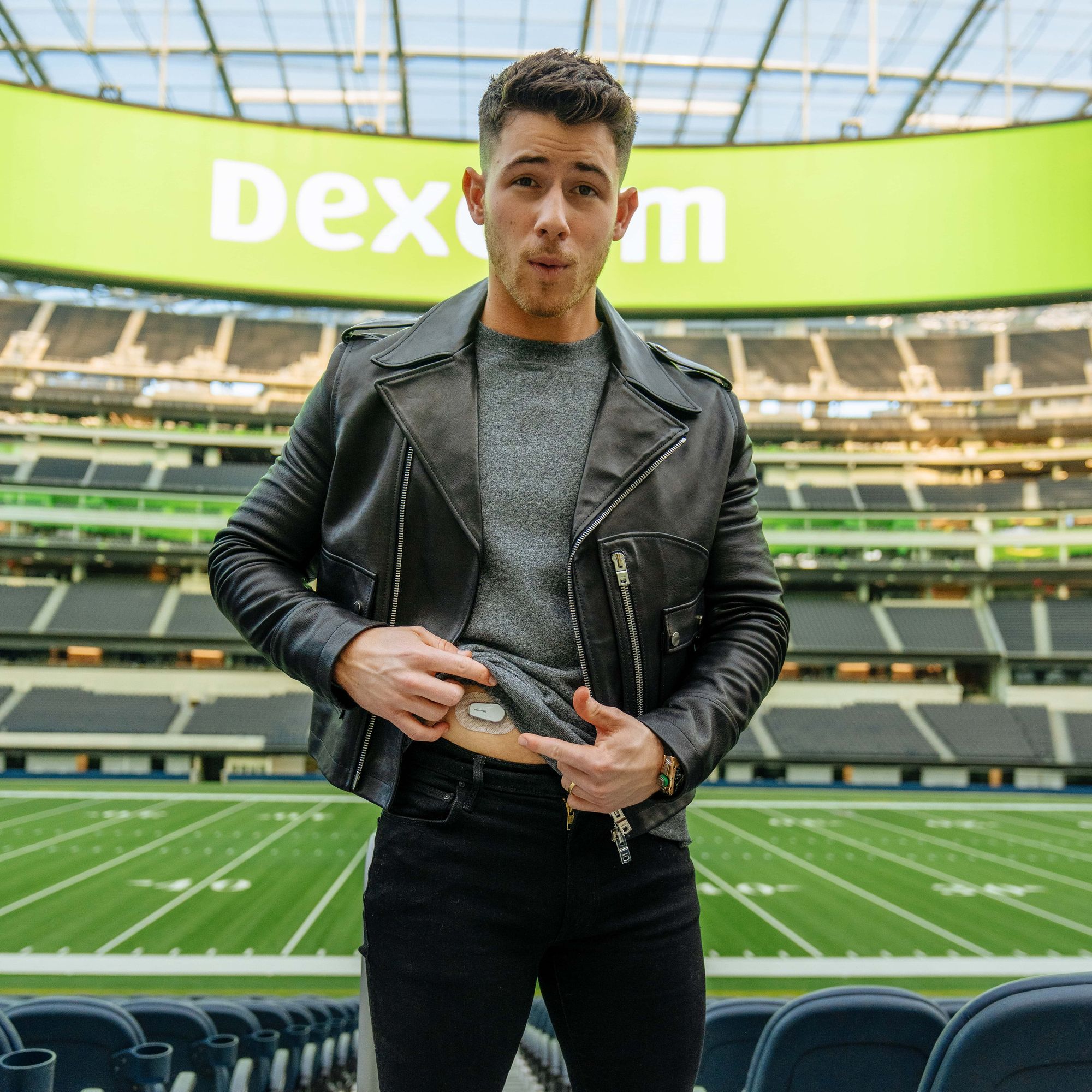
Dexcom had a technology that could change the daily lives of people with diabetes, but continuous glucose monitoring still needed explanation. Allison helped turn the company's Super Bowl debut into an integrated introduction. According to the agency's case study, Dexcom drew 1.2 million visits to its site, produced the most-searched ad of the night and earned the Harris Poll's top ranking for perceived quality and trustworthiness.
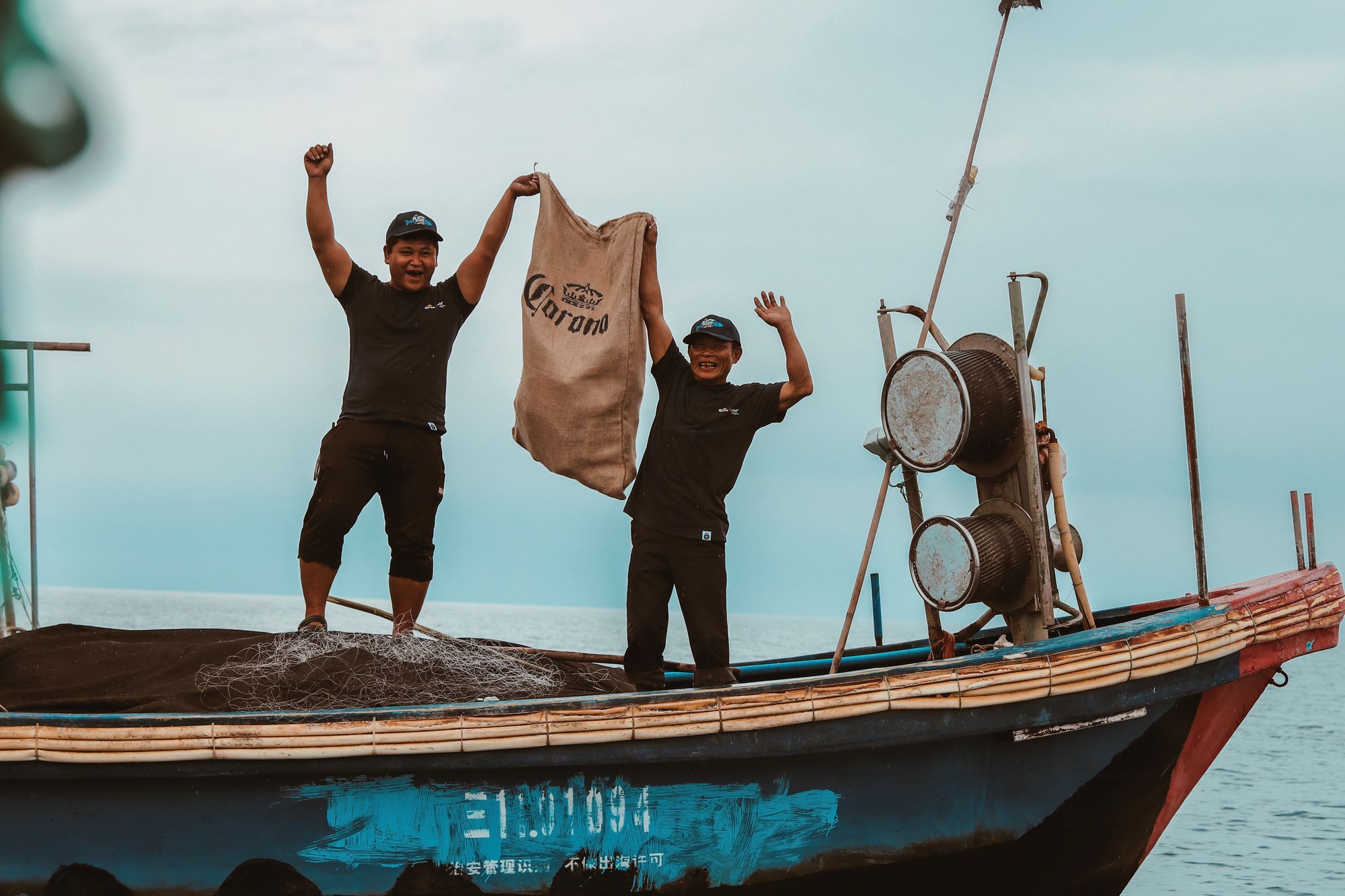
Corona's Global Plastic Fishing Tournament solved a different problem. In six countries, fishing communities collected ocean plastic and sold the haul to nearby recycling companies. Workshops gave the events a life beyond the cameras. Allison used local outreach, social media and grassroots materials to pull people in. The agency reports 20 tons of plastic removed, 90 percent positive sentiment and 2.2 million media mentions.
The two campaigns explain the business better than a capability chart. One converted mass attention into product curiosity. The other joined environmental purpose to local economic incentive. In each case the communications idea had machinery underneath it.
What £4.5 million buys
In 2024, Stagwell acquired the British creative collective Sidekick and placed it inside Allison. The disclosed purchase price was £4.5 million: £3.6 million in cash plus shares, with as much as £8 million more tied to employment and future earnings targets. Sidekick brought branded content, digital storytelling and experiential production. It was a modest deal with a loud strategic meaning. Allison did not merely want partners it could call after the strategy meeting. It wanted makers in the room.
This is where Allison sits in the market now. Above it are vast networks such as Edelman, Weber Shandwick, Burson and FleishmanHillard. Around it are specialist crisis shops, creator agencies, production studios and analytics consultancies. Allison's answer is a “just-right” middle: global enough to coordinate markets, compact enough to put senior people on the problem, and broad enough to carry an idea from warning signal to public experience.
Begin with a truth the brand can credibly claim, not a trend anyone can rent.
Build an idea that gives media and people a reason to repeat it without instructions.
Connect the attention to an outcome someone can count, defend or improve.
The bit worth stealing
Allison calls its creative framework OTV: Ownable, Talkable, Valuable. It is wonderfully resistant to decoration. An idea can be amusing but generic, noisy but irrelevant, worthy but inert. Requiring all three properties turns taste into a useful interrogation. Does this belong to us? Will anybody carry it? What changes if they do?
A five-minute Allison test
- Write the one brand truth a competitor cannot honestly borrow.
- Name the human incentive before choosing the channel.
- Define the action that attention should produce.
- Pick one early signal to watch and one business result to count.
The method is less useful when the underlying offer is weak, the organization cannot act quickly, or leadership wants a borrowed cultural costume instead of an owned point of view. Predictive data improves timing; it does not make a false claim true. Integrated agencies also earn their keep on complicated briefs. A small company that only needs a press release or a single local activation may be buying an orchestra to play a doorbell.
The next chapter is being run by Wendy Lund, who became global CEO in January 2026 while also taking a Stagwell-wide health role. Her background at GCI Health, Organon and WPP makes the direction readable: more multinational work, more regulated-sector depth, more use of the parent network. Roughly four-fifths of Allison's revenue still comes from the United States, according to PRovoke's 2026 profile, so “Worldwide” remains both a description and an assignment.
Twenty-five years after the worst-timed opening week imaginable, Allison is still selling the same essential thing: a better decision about what to say and do next. The difference is that the answer may now arrive as a risk model, a creator program, a film, a pop-up, a data score or, occasionally, a very good press story. PR did not disappear. It became too small a word.