The hospital had done its job. John Kao’s mother had survived a heart attack. Then came the part that troubled him: going home. The specialists, the primary care doctor, the instructions, the next appointment - someone had to connect them. That someone was her son. “I had to step in and be the coordinator,” he told the Orange County Business Journal in 2019. A well-treated patient could still leave with a badly coordinated life.
- Sell Medicare Advantage coverage, then help members navigate the care it pays for.
- Use AVA data to flag risk and clinical teams to act on it.
- Make the economics work by preventing avoidable expensive care.
That handoff is a useful way into Alignment Health. Founded by Kao in 2013, the company sells Medicare Advantage insurance. But its operating proposition begins between appointments, where a missed prescription or an unanswered question can become somebody else’s emergency. The ambition is to make coordination an assigned job, rather than a family’s unpaid second career.
The missing person between appointments
Kao brought experience from CareMore, where he had been president. His mother’s experience supplied something a résumé could not: a close view of the gap between capable institutions. In a March 2026 Healthcare Dive interview, he described the fragmented, reactive care that had disillusioned him with large Medicare Advantage organizations. Alignment’s response combined analytics with personal attention, especially for people managing several chronic conditions.
The customer buys a health plan, not a software license. Alignment works with local doctors and health systems, while adding its own clinical support. Its stated culture follows that arrangement: “Seniors First,” supporting clinicians, data-driven health and service. Those are promises; whether a member gets a useful answer on an ordinary Tuesday is the more revealing test.

A risk score needs someone with shoes
AVA, short for Alignment Virtual Application, is the company’s data engine. It gathers information from more than 200 sources and supports risk assessment and care workflows. A prediction becomes useful when it changes a task: information reaches a clinician, a caregiver gets an alert, or somebody follows up. Alignment’s technical expertise sits in that connection between member information and daily clinical work.
Care Anywhere supplies the people. The provider manual describes a physician-led program for frail and chronically ill members, targeting the highest-risk 10%. Its work includes medical, functional and social-needs assessments. The practical insight is that equal insurance coverage does not imply equal needs. A person juggling several illnesses may require an extra layer of support that an occasional office visit cannot provide.
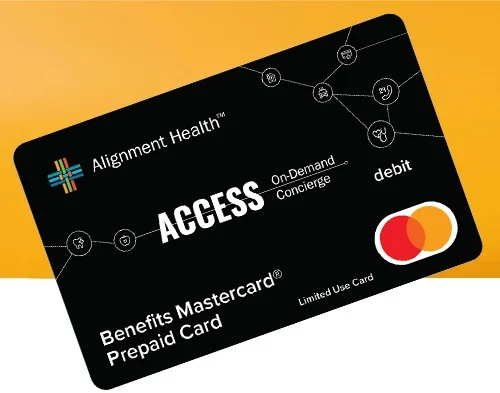
For everyday friction, there is ACCESS On-Demand Concierge: round-the-clock help with questions, scheduling and transportation arrangements. The member need not understand predictive analytics to benefit from someone arranging a ride. Alignment’s consumer-facing technology also offers secure messages, health history and benefit information. The point is less searching, fewer loose ends and a clearer next step.
The expensive part is making it ordinary
Medicare Advantage gives the insurer responsibility for covered medical costs in exchange for premium revenue, primarily from the federal government. That creates room to invest in earlier support if it prevents costlier care later. It also creates insurance risk: medical spending can outrun the money coming in. Good intentions need an operating budget.
The build required substantial backing. General Atlantic committed $125 million in 2014. Warburg Pincus invested $115 million in 2017. A $135 million Series C in 2020 brought reported funding to $375 million. Those announcements described money for expansion, technology and plan offerings. The capital financed a care operation as well as a platform.
Results show progress, with a useful warning against rounding too enthusiastically. In 2025, revenue rose 46.1% to $3.95 billion. Adjusted EBITDA reached $109.9 million, but the GAAP net result remained a loss of roughly $1 million. By the second quarter of 2026, Alignment reported $36.6 million in net income and approximately 294,100 members. One profitable quarter does not settle the durability question.
Reported health plan members at period end. Dates span six months.
The denominator has teeth
The October 2026 ratings update deserves careful reading. Six of seven eligible contracts earned at least four stars for 2027. Yet the California H3815 contract received 3.5 stars, down from four. That contract served about 75% of membership, according to Alignment’s filing. Counting contracts gives a much sunnier impression than counting the people inside them.
Alignment attributed the decline partly to higher industry cut points and weaker performance on certain heavily weighted measures. It announced plans to challenge aspects of the methodology and pursue quality improvements. The company said the change would affect 2028 quality bonus payments, rather than 2026 or 2027 revenue. Regulation is part of this business’s machinery, with financial consequences that can arrive years after the measurement.
Six highly rated contracts.
One exception containing most members.READ THE DENOMINATOR.
Local care, repeated carefully
For 2027, Alignment has announced 77 plans across 55 counties in five states, including 10 new counties. Hoag, Astrana Health and Intermountain Health feature in its provider plans. Its alternatives include national insurers and regional Medicare Advantage plans. Coordination is a competitive claim many can make; the distinction must show up in local networks, service and execution.
For a prospective member, usefulness starts with specifics: the county served, the doctor included, the prescriptions covered and the total costs. Some plans have $0 premiums, but members must generally keep paying Medicare Part B, and other costs remain. This model cannot help someone outside its service area or replace a clinician absent from the selected network.
There is a lesson here other businesses can copy: find the handoff everyone assumes somebody else owns, then give it an owner. For Alignment, software helps identify where attention belongs. The harder work is making the next call, closing the loop and doing it again tomorrow.