A family can leave a damaged house with its keys still in a pocket. The keys work. The house does not. What follows is a surprisingly complicated exercise in ordinary life: somewhere to sleep, somewhere for the dog, somewhere close enough to keep going to school. ALE Solutions works in that interval, when an insurance claim has become a housing problem.
- Insurance adjusters refer families; ALE coordinates the housing.
- Hotels solve the immediate need. Furnished rentals can cover longer repairs.
- The assignment continues through extensions, billing, and move-out.
The hotel is the first move
ALE’s name comes from Additional Living Expenses, the insurance category associated with extra living costs after a covered loss. Its customers are property insurers and adjusters; the people living with the result are displaced households. Those two audiences want compatible things, but describe them differently. One wants a manageable claim. The other wants Tuesday morning to feel reasonably familiar.
The company arranges hotels, apartments, single-family homes, and other temporary options nationwide. It does not own the properties. Its expertise is finding the right fit, negotiating short leases, and making separate suppliers behave like one service. A private home can become temporary insurance housing, with furnishings arranged around the family that will occupy it.
The timing deserves careful reading. ALE says hotel placement typically happens within an hour of first notice of loss. Its policyholder guidance says properties are typically located within a day. An unfurnished property then takes several days to prepare; a trailer generally takes seven to fourteen days for delivery and setup. A search result and a front door ready to open are different milestones.
after first notice of loss
before approval and setup
setup, and furnishing
The service therefore sits between the carrier and the accommodation supplier. A family does not need to become an expert in short-term leases while sorting through a claim. The adjuster can hand over the housing search while retaining approval of the spending. ALE takes on the coordination that would otherwise bounce between those parties.
The work that begins after check-in
ALE’s operation extends into the household inventory: furniture, appliances, housewares. The coffee maker belongs in the story because it explains the business. An address alone leaves many decisions unresolved. Someone must arrange deliveries, answer questions, and keep the accommodation useful while the damaged home is being repaired.
Family requirements shape that work. Pets, accessibility, and proximity to familiar places affect what counts as a suitable property. ALE describes follow-up calls after move-in and continued communication during the stay. In an August 2026 article, the company argued that a conversation can uncover needs that a quick housing search misses. That is its stated service philosophy, expressed in practical terms.
Costs have their own boundaries. ALE can arrange approved housing payments and invoice the adjuster. That does not make every expense disappear. Its guidance identifies household obligations that can include uncovered expenses, deposits, and rent or utility abatements. Coverage and authorization govern the arrangement. A useful first conversation therefore needs to cover both the family’s requirements and what the insurer has approved.
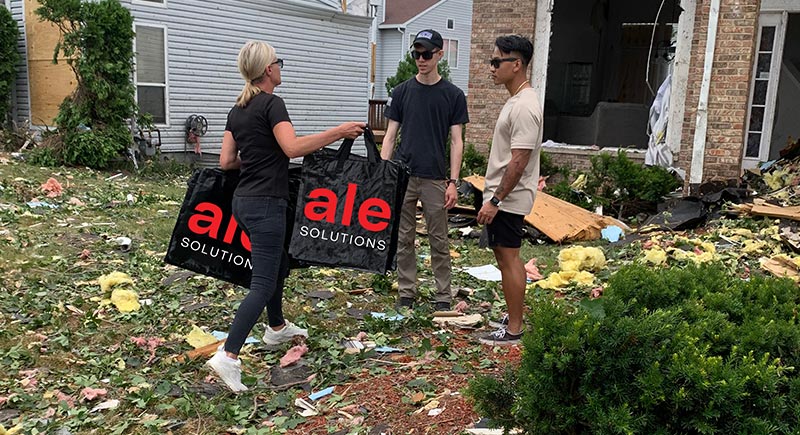
Two screens. One unsettled household.
The software follows the same division of responsibilities. MyALE HOME gives policyholders housing details, a place to submit receipts, and a way to request extensions. MyALE gives adjusters and managers a view of housing assignments, costs, invoices, and outstanding tasks. The portal also connects with carrier claims systems. Each side gets tools for its part of the stay.
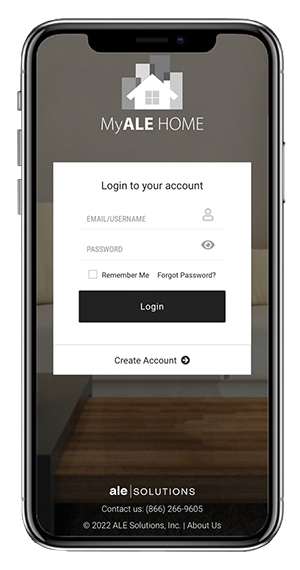
A stay has moving parts.
Reservations. Receipts. Extension requests. The policyholder app keeps the details within reach.
Explore the Android app ↗The interesting feature is what happens when the repair schedule changes. A family requests more time; the adjuster approves it; ALE coordinates the extension. The software carries information between people who retain different responsibilities. Around-the-clock support remains part of the service. For someone already juggling a damaged home, fewer loose ends can matter as much as a faster search.
A basement business, a $421.8 million deal
Rowena Zimmers founded ALE in February 2001. Historical profiles describe a two-person operation that began in the Zimmers home’s basement and grew under Rowena and her husband, Rob. By 2017, the company was celebrating a 40,000-square-foot headquarters in St. Charles, Illinois. The opening report described an earlier constraint: employees had spread across smaller offices after outgrowing their downtown space.
FLEETCOR acquired ALE on September 1, 2021, for a reported net purchase price of $421.8 million. At announcement, the buyer expected approximately five million additional room nights annually and tens of thousands of long-term rentals. Those were transaction-era expectations, rather than a current activity count. They nevertheless show why a housing coordinator interested a payments and lodging company.
“enhanced service, technology, and product development”
Rowena Zimmers on the expected benefits of joining FLEETCOR, 2021
Zimmers pointed to the buyer’s resources as a reason for joining. FLEETCOR, now Corpay, highlighted insurer relationships, rental supply, claims technology, and experienced staff. Together, those explanations describe a business whose value sits in accumulated working relationships. In 2026, ALE marked its twenty-fifth anniversary, still organized around the stretch between displacement and returning home.
Consider the sequence from the operator’s side: identify accommodation, agree terms, arrange what goes inside, track the approved dates, and settle the bill. Every step introduces a separate dependency. The business model brings those dependencies under continuing management. Its value to a carrier depends on the quality of that execution over the whole stay, including the unglamorous calls about paperwork and changed plans.
The room before the storm
A catastrophe complicates that stretch by making many families need housing simultaneously. It also sends adjusters into the same area. ALE supports those response teams, monitors weather, and says it reserves hotel rooms ahead of storms. Finance staff review room and tax charges and consolidate invoices. The work starts before check-in and continues after the stay.
There are alternatives. Sedgwick offers temporary housing, an adjuster portal, a policyholder app, and continuous support; CRS also operates in insurance housing. ALE’s case rests on how well its sourcing, lease negotiation, furnishings, and claims coordination work together. Local availability, approved budgets, and preparation time still constrain the result.
The lesson other service businesses can borrow is concrete: take responsibility for the changes after the booking. Repairs slip. Dates move. Families need answers. ALE’s operating model makes that follow-through part of the assignment. A room key gets someone through a door. Keeping the stay workable is the longer job.