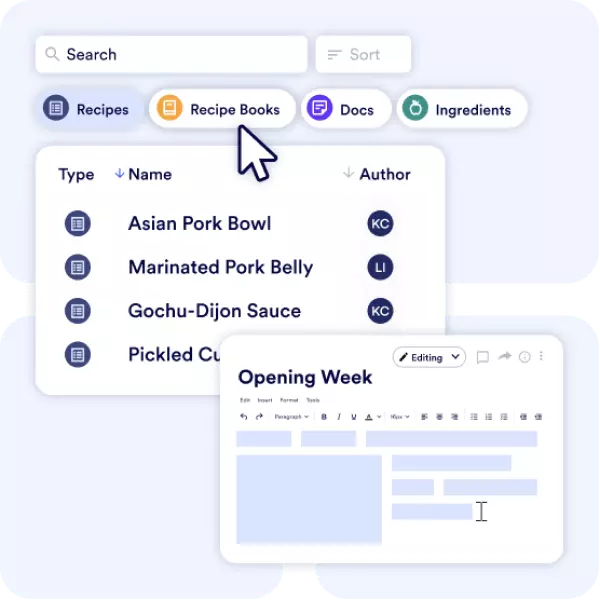
A chef changes the number of dinner guests. The quantities change, the ingredient costs change, and somewhere a restaurant’s margin changes with them. In meez, those consequences become software: recipes that scale, costs that update, instructions that help train a new cook. AgilityIO helped build the web application and its administration dashboard. It is an unusually useful introduction to a development company. Forget the programming languages for a moment. Start with dinner.
- AgilityIO supplies product designers and engineers to startups and enterprises.
- Its teams span New York, Latin America and Vietnam, with distinct regional roles.
- Customers can buy development capacity or license its Kash banking application.
- The practical lesson: appoint someone who can make product decisions.
The interesting thing about a recipe application is how much knowledge sits outside the code. Someone must understand what a kitchen means by a serving, which costs matter, and what happens when an employee follows instructions on a phone. AgilityIO’s case study describes working directly with meez’s product owner, designers and stakeholders to define the application’s foundations. The engineering relationship continued as the product grew.
A company built around the missing team
Founded in 2011 by Chok Leang Ooi and Trung Ngo, AgilityIO occupies a familiar but consequential corner of technology: companies hire it when their product ambitions outrun their available engineering team. Customers include startups assembling a first release and established businesses extending an existing platform. The company reports more than 300 client companies, including eight unicorns. Those are its own portfolio claims, rather than evidence that an agency caused a client’s valuation.
Its offer brings several jobs together: product discovery, UX/UI design, web and mobile development, cloud engineering, testing and ongoing delivery. A customer can ask for a complete build or embed engineers within an existing organization. HealthTech work adds device integration and technical advisory services; financial-services work includes consumer applications and regulatory software. This is a services business with a broad technical range, rather than one application sold to everybody.
Geography gets a job description
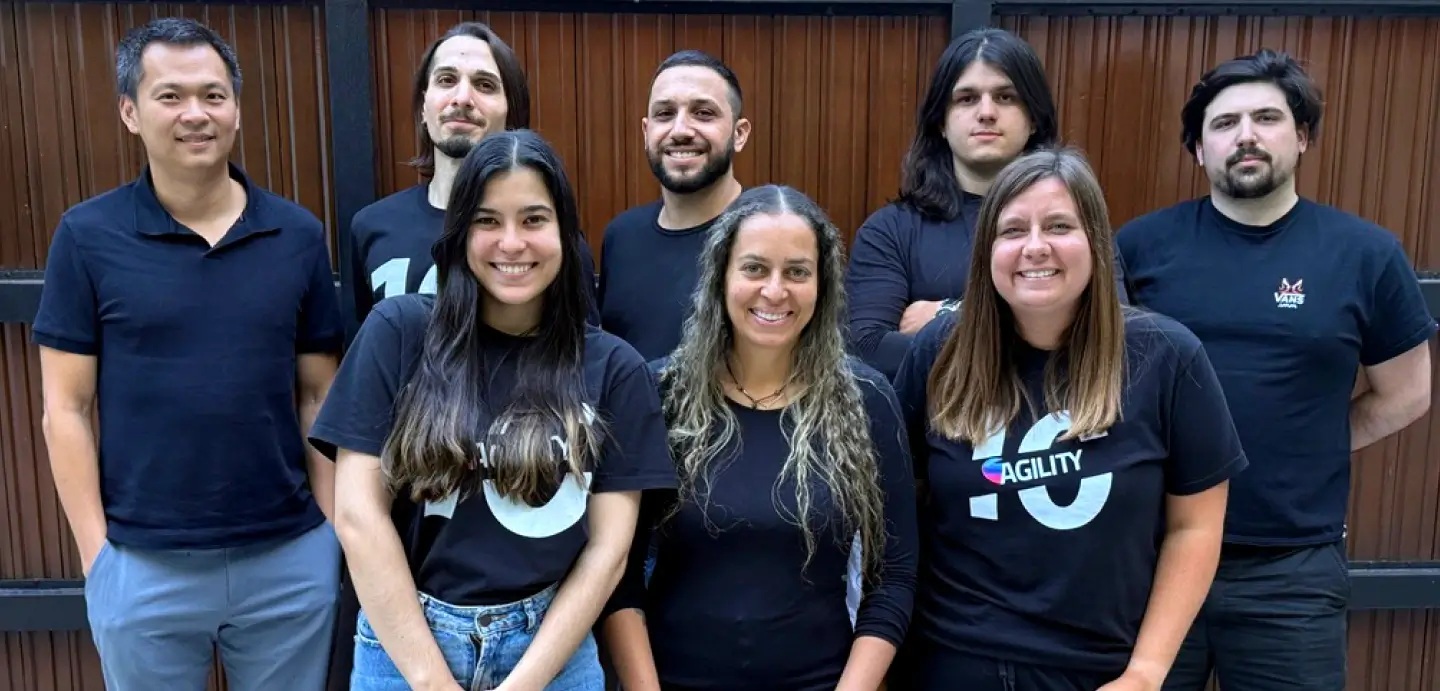
Many firms advertise international talent. AgilityIO’s current explanation is more specific. New York handles product and design leadership. Latin American engineers overlap with American working hours. Vietnam supplies a deep engineering bench and extends the working day. Each region addresses a different coordination problem: proximity to decisions, live collaboration, or continuity of execution.
The arrangement has roots in the founders’ own geography. Ooi grew up in Malaysia, Ngo in Vietnam; both spent substantial time in the American technology industry. When AgilityIO opened its Singapore office in 2014, it described an ambition to connect startups across North America and Asia. Distribution was part of the proposition early on. Today’s Latin American presence adds a practical advantage for American customers: more engineering conversations can happen during the same afternoon.
That does not make handoffs automatic. Consider Paga. AgilityIO’s published account describes its designers and frontend developers collaborating with Paga’s backend and quality-assurance teams in Nigeria. The work included simplifying layouts and onboarding while developing native mobile experiences. Here, a delivery partner had to fit inside another company’s technical system. Communication was part of the work itself.
The price of finding out
A historical client review puts useful numbers on an otherwise abstract purchase. Jobwell reported paying $50,000-$60,000 for roughly four months of development before launching in November 2017. It then gathered user feedback and commissioned another piece of work. The sequence is sensible: buy a usable first version, watch what people do, then decide what deserves another sprint.
Another review, from luxury villa business The Luxe Nomad, begins with a poorly coded backend. AgilityIO helped stabilize the site before maintenance moved to internal developers. The founder’s advice was revealing: have someone in-house managing technology full-time. Buying outside capacity does not remove the need for an informed client.
AgilityIO’s sector sites advertise dedicated teams on weekly retainers without long-term contracts. That gives buyers a smaller commitment window, although a working relationship still accumulates knowledge over time. The alternative might be permanent hires, freelancers, or another engineering firm. The useful comparison includes management effort, continuity and technical ownership alongside the invoice.
Sometimes the shortcut is a product
Agility Kash introduces a different commercial idea. Banks and financial-technology businesses can license and customize an existing web and mobile banking application. In February 2024, Infinant announced a partnership connecting Kash with its Interlace platform. The combined offering separates the customer-facing application from the underlying banking infrastructure, giving institutions a starting point for a digital launch.
The partners described shorter launch schedules and more bank control over banking-as-a-service programs. That is a proposition about integration and reuse. It does not eliminate a bank’s responsibility for compliance or its choices about customer experience. A reusable interface helps when the buyer’s requirements fit the foundation; unusual workflows still require engineering and careful evaluation.
AI joins the team. Judgment keeps its seat.
AgilityIO now positions AI as both something it builds into products and something its engineers use while building. Its EasyMate case study makes the distinction concrete. The client platform guides users through describing an application, previews the result, and manages connected data, permissions and a chatbot knowledge engine. Behind the conversational entrance sits considerable conventional software work.
“AI accelerates the work. Experienced people own the outcome.”AgilityIO’s stated delivery principle
The lesson a founder can copy is modest: define the problem before expanding the team, keep a decision-maker close, and release something small enough to learn from. For a bank, that might mean evaluating a reusable application. For a restaurant-software company, it might mean getting recipe logic right. The borrowed team becomes useful when it understands the business well enough to ask better questions.
Website · People & approach · LinkedIn & company updates · X · Facebook
The meez build · Paga’s app · EasyMate · Kash + Infinant announcement · Client project accounts · Company archive